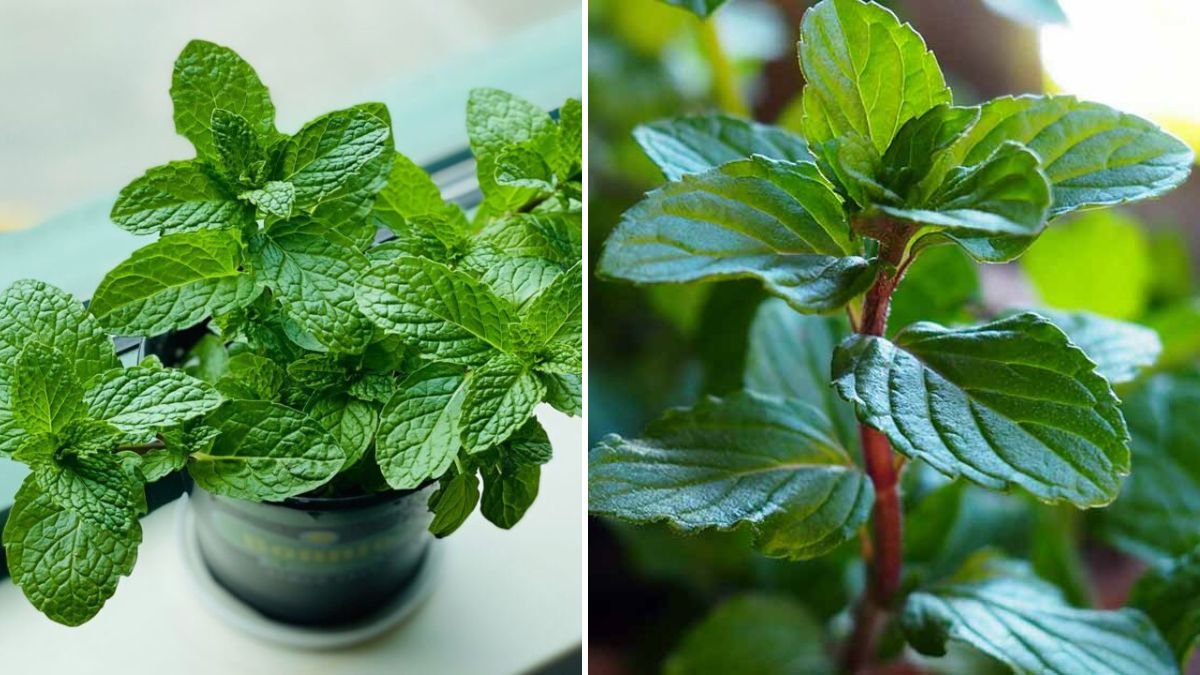
Mint is one of the most versatile and aromatic herbs for home gardening. Its refreshing flavor is perfect for teas, culinary dishes, and natural remedies. Growing mint at home ensures chemical-free leaves. Mint adapts well to pots, raised beds, or open garden soil. It grows rapidly, making it ideal for beginners. Proper care ensures healthy, lush leaves. Mint also repels pests naturally. Its fragrant aroma enhances any garden or indoor space.
Benefits of Growing Mint
Mint is highly beneficial for both culinary and medicinal purposes. Its leaves can relieve digestive discomfort. Fresh mint improves breath naturally. It is used in cooking, salads, and drinks. Mint’s aroma acts as a natural pest deterrent. The plant grows quickly, providing a constant supply. Cultivating mint reduces store-bought dependency. Mint can even be dried for later use. Growing mint at home is economical and rewarding.
Choosing the Right Variety
Several mint varieties are suitable for home gardening. Peppermint offers a strong, cooling flavor. Spearmint is sweeter and milder. Chocolate mint has a unique aromatic twist. Apple mint has a fruity fragrance. Select based on intended use and climate. Local availability ensures success. Experimenting with multiple varieties adds variety. Choosing the right mint ensures optimal flavor and growth.
Selecting the Best Location
Mint grows best in partially shaded to sunny areas. Full sun works in cooler climates, while partial shade protects it in hot regions. It prefers moist, well-drained soil. Containers allow mobility and prevent invasive spreading. Avoid crowded areas, as mint spreads aggressively. Near kitchen windows or patios works well. The location impacts both flavor and plant health. Strategic placement makes harvesting convenient.
Soil Preparation
Mint prefers fertile, loose soil rich in organic matter. Mix garden soil with compost and sand for better drainage. Slightly acidic to neutral pH is ideal. Avoid compacted or clay-heavy soil. Enriching soil with organic fertilizers promotes healthy growth. Proper preparation ensures rapid root development. Soil must be kept consistently moist. Healthy soil results in vibrant, aromatic leaves.
Planting Mint
Mint can be propagated from seeds, cuttings, or divisions. Seed sowing requires careful spacing due to slow germination. Stem cuttings root easily in water or soil. Plant divisions from mature plants for faster growth. Maintain a spacing of 12–18 inches to avoid overcrowding. Water immediately after planting. Label the varieties if multiple types are grown. Correct planting encourages vigorous growth.
Watering Routine
Mint requires consistently moist soil for healthy leaves. Water regularly but avoid waterlogging. Morning watering is best. Mulching retains moisture and reduces evaporation. Containers may need daily attention in hot weather. Overwatering can cause root rot. Check soil before watering to prevent stress. Proper hydration ensures rapid, lush growth.
Light Requirements
Mint grows best with at least 4–6 hours of sunlight daily. Partial shade protects leaves from scorching. Indoor growers can use grow lights for consistent light exposure. Rotating pots ensures even growth. Lack of light causes legginess. Sufficient light enhances aroma and flavor. Healthy mint leaves develop deeper green color. Proper lighting promotes strong stems.
Temperature and Climate Needs
Mint thrives in mild, temperate climates. Temperatures between 15–25°C are ideal. It tolerates some frost but benefits from protection in extreme cold. High heat may require shading or additional watering. Indoors, mint grows year-round under controlled conditions. Stable temperatures prevent leaf yellowing. Correct climate ensures extended harvest. Mint adapts well to various environments.
Fertilizing Mint
Mint benefits from light feeding every 4–6 weeks. Organic fertilizers or compost tea promote leaf growth. Avoid excessive nitrogen, which may reduce aroma. Liquid fertilizers encourage faster absorption. Fertilize in early morning for best results. Balanced nutrients prevent stunted growth. Regular feeding ensures continuous production. Healthy leaves result in stronger flavor.
Pruning and Harvesting
Pruning encourages bushy, compact growth. Trim the top leaves regularly. Harvest leaves before flowering for best flavor. Avoid removing more than one-third at a time. Regular harvesting prevents plant from becoming leggy. Pruning stimulates new shoots. Use sharp scissors to avoid damaging stems. Timely harvesting ensures maximum aroma.
Propagation Techniques
Mint spreads easily through runners and root divisions. Stem cuttings root in water within 2–3 weeks. Divisions from mature plants establish quickly in new pots. Proper propagation expands the garden efficiently. Label new plants for identification. Healthy roots improve survival. Propagating mint ensures a continuous supply. Using multiple techniques prevents dependency on seeds.
Pest and Disease Management
Mint is relatively pest-resistant. Common issues include aphids, spider mites, and powdery mildew. Inspect plants regularly. Use neem oil or mild insecticidal soap for control. Ensure good spacing for airflow. Avoid overhead watering to reduce fungal growth. Healthy plants recover quickly from minor infestations. Prevention is better than treatment.
Container Growing Tips
Growing mint in containers prevents invasive spreading. Choose pots at least 12 inches deep. Use good drainage holes to prevent waterlogging. Fertilize more frequently in containers. Move containers to shade during extreme heat. Indoor pots allow year-round growth. Containers make harvesting easier. Proper container care ensures robust plants.
Companion Planting with Mint
Mint deters pests when planted near other crops. It repels ants, aphids, and cabbage worms. Plant near tomatoes, cabbage, or broccoli. Avoid planting near carrots, as it may hinder growth. Companion planting improves garden health. It enhances biodiversity. Mint can even act as a natural ground cover. Strategic planting benefits multiple crops.
Overwintering Mint
In colder climates, mint may die back during winter. Mulch heavily to protect roots. Indoor containers can be moved to warm areas. Prune dormant growth. Water minimally but consistently. Spring regrowth is vigorous. Overwintering ensures a head start in the next season. Proper care extends plant life.
Common Mistakes to Avoid
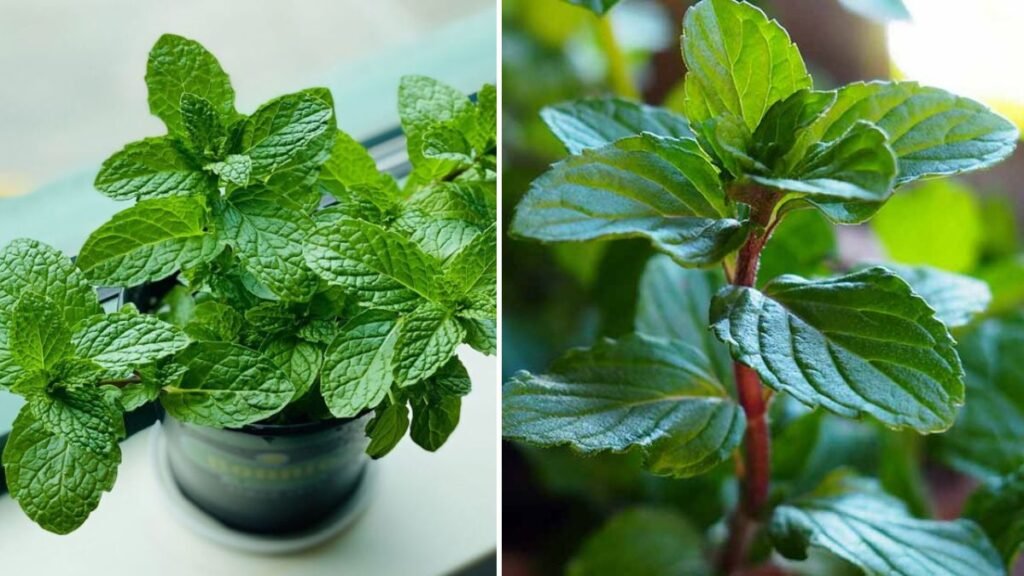
Overcrowding reduces airflow. Overwatering causes root rot. Neglecting pruning leads to leggy plants. Poor light results in weak flavor. Using chemical-treated soil can reduce aroma. Ignoring pests reduces harvest. Lack of labeling may cause confusion. Avoiding mistakes ensures thriving mint.
Mint Care Table
| Aspect | Best Practice | Benefit |
|---|---|---|
| Watering | Consistent moisture | Healthy leaves |
| Soil | Rich, loose soil | Rapid root growth |
| Fertilizer | Light organic feeding | Enhanced aroma |
| Pruning | Regular trimming | Bushy growth |
Uses of Homegrown Mint
Fresh mint leaves are versatile. Use in teas, cocktails, salads, and desserts. They add aroma to sauces. Mint is a natural remedy for digestion. Dried mint preserves flavor year-round. Leaves can be frozen or dried. Homegrown mint ensures chemical-free usage. Continuous harvest is possible.
Conclusion
Growing mint at home is rewarding and easy with proper care. It produces flavorful, aromatic leaves year-round. Regular pruning, watering, and feeding keep plants healthy. Mint adapts to containers, raised beds, and gardens. Its rapid growth ensures a steady supply. Companion planting adds additional benefits. Beginners and experienced gardeners alike can succeed. Homegrown mint adds flavor, health, and beauty to any space.