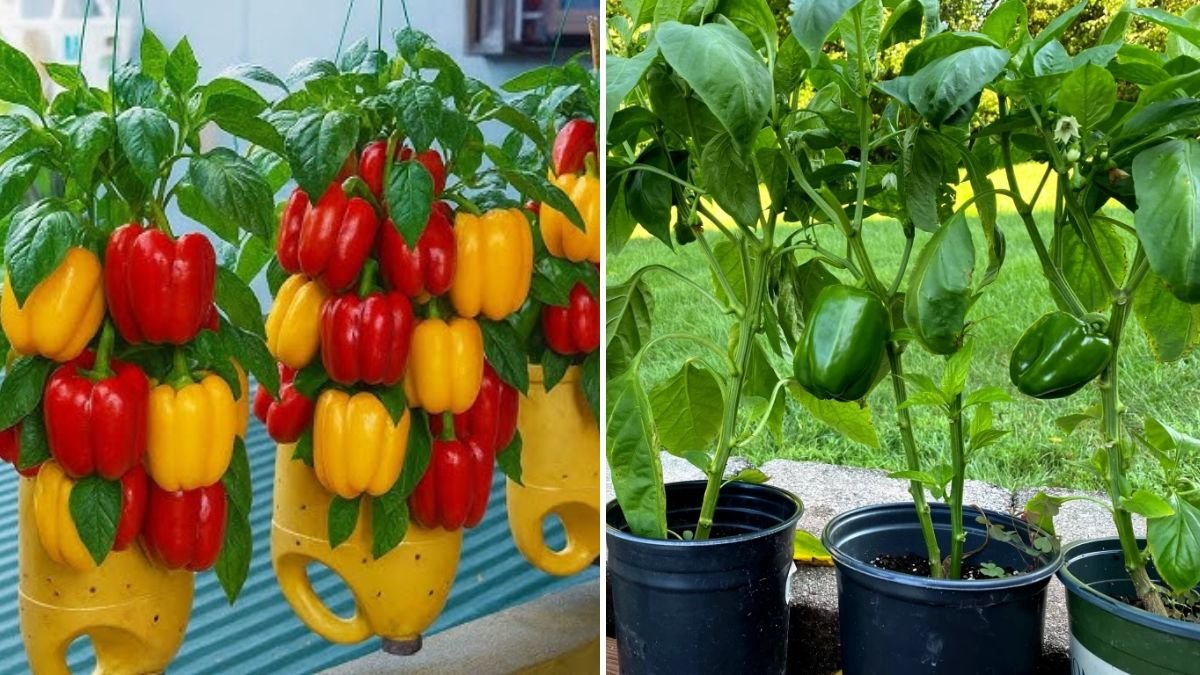
Growing peppers in plastic bottles is innovative and eco-friendly. It reuses waste materials effectively. This method suits small spaces perfectly. Balconies and rooftops benefit greatly. Peppers grow well in containers. Plastic bottles provide good drainage. This technique reduces gardening costs. Beginners can easily try it. Vertical setups save space. It is both practical and sustainable.
Why Use Plastic Bottles for Peppers
Plastic bottles are readily available. They reduce plastic waste. Bottles are lightweight and portable. They retain moisture well. Size can be adjusted easily. Bottles suit balconies and windowsills. They allow controlled soil use. Drainage holes are easy to create. Bottle gardening encourages recycling habits. It supports urban gardening.
Choosing the Right Pepper Variety
Compact pepper varieties work best. Chili peppers thrive in bottles. Bell peppers need larger bottles. Choose disease-resistant types. Climate-appropriate varieties grow better. Dwarf plants suit vertical setups. Avoid heavy fruiting types. Seed quality affects success. Choose fast-growing peppers. Proper selection ensures productivity.
Preparing Plastic Bottles
Use bottles of at least two liters. Cut openings carefully. Create drainage holes at the bottom. Clean bottles thoroughly. Avoid sharp edges. Transparent bottles may need covering. Proper preparation prevents root damage. Label bottles if growing multiple plants. Stability is important. Preparation ensures safety.
Soil Mix for Bottle Gardening
Use lightweight potting mix. Mix compost with coco peat. Avoid heavy garden soil. Soil should drain well. Organic matter improves fertility. Loose soil encourages roots. Balanced nutrients are essential. Soil moisture retention is important. Quality soil supports growth. Good mix prevents problems.
Planting Pepper Seeds or Seedlings
Start seeds in small trays. Transplant seedlings gently. Avoid disturbing roots. Plant at proper depth. Firm soil lightly. Water after planting. Space plants adequately. Avoid overcrowding bottles. Healthy start ensures success. Early care is crucial.
Positioning Bottles for Sunlight
Peppers need six to eight hours of sun. Place bottles near windows or balconies. Rotate bottles regularly. Avoid shade during peak hours. Indoor setups may need grow lights. Sunlight affects flowering and fruiting. Consistent exposure improves yield. Proper positioning prevents weak growth. Monitor daily light. Adjust as seasons change.
Watering Peppers in Bottles
Bottle plants dry faster. Water regularly but moderately. Avoid waterlogging. Check soil moisture daily. Morning watering is best. Drainage holes prevent root rot. Mulching reduces evaporation. Balanced watering ensures fruit quality. Overwatering causes problems. Consistency is essential.
Fertilizing Pepper Plants
Peppers need regular feeding. Use liquid organic fertilizer. Feed every two weeks. Avoid excessive nitrogen. Potassium supports fruiting. Compost tea works well. Observe plant response. Balanced nutrition improves yield. Overfeeding harms roots. Light feeding is effective.
Supporting Pepper Plants
Peppers may need support as they grow. Use small stakes. Tie stems gently. Support prevents bending. Bottle setups may tip easily. Secure bottles properly. Vertical supports improve airflow. Support increases fruit quality. Stability is important. Prevent plant stress.
Pollination in Bottle Gardens
Indoor peppers may need hand pollination. Shake plants gently. Use soft brush if needed. Outdoor pollinators help naturally. Proper pollination increases fruit set. Flower health is important. Avoid stress during flowering. Pollination affects yield. Observe flower development. Simple actions help.
Pest Control
Common pests include aphids and mites. Inspect plants regularly. Use neem oil spray. Remove affected leaves. Encourage natural predators. Clean surroundings reduce pests. Avoid chemical pesticides. Early control prevents spread. Healthy plants resist pests. Natural methods work well.
Disease Prevention
Ensure proper drainage. Avoid wet foliage. Good airflow prevents fungal diseases. Clean tools regularly. Remove diseased plants promptly. Rotate crops if possible. Healthy soil reduces disease risk. Observation is key. Prevention saves effort. Maintain hygiene consistently.
Pruning Pepper Plants
Prune early to encourage branching. Remove weak shoots. Improve airflow around stems. Avoid heavy pruning during fruiting. Balanced pruning improves yield. Remove damaged leaves. Training helps plant shape. Pruning reduces disease risk. Gentle pruning works best. Observation guides timing.
Harvesting Peppers
Harvest when fruits reach full size. Use scissors to cut stems. Avoid pulling fruits. Regular harvesting encourages new growth. Color indicates maturity. Harvest in morning. Handle gently. Fresh peppers taste best. Frequent picking boosts production. Enjoy homegrown harvest.
Storing Harvested Peppers
Store peppers in cool conditions. Refrigerate for longer storage. Avoid washing before storage. Use within one week. Freeze for long-term use. Proper storage maintains freshness. Handle carefully to avoid bruising. Storage extends usability. Freshness matters. Preserve nutrients properly.
Advantages of Bottle Gardening
Saves space and money. Reuses waste materials. Ideal for urban living. Easy to manage. Reduces weeds. Portable gardening solution. Efficient water use. Environmentally friendly. Encourages creativity. Suitable for beginners.
Common Mistakes
Using small bottles. Poor drainage. Overwatering. Insufficient sunlight. Overfertilizing. Ignoring support needs. Late harvesting. Poor soil mix. Learning mistakes improves results. Observation prevents failure.
Table: Pepper Bottle Gardening Guide
| Aspect | Recommendation | Benefit |
|---|---|---|
| Bottle size | Two liters or more | Root space |
| Soil | Light, organic mix | Healthy growth |
| Sunlight | Full sun | Better fruiting |
| Watering | Regular, controlled | Prevents stress |
| Fertilizer | Liquid organic | Higher yield |
Final Thoughts
Growing peppers in plastic bottles is smart and sustainable. It suits small spaces perfectly. Proper sunlight and watering are crucial. Balanced fertilization supports fruiting. Bottle gardening reduces waste. Peppers thrive with minimal care. Beginners can succeed easily. Vertical setups save space. Homegrown peppers taste better. This method combines productivity and sustainability.