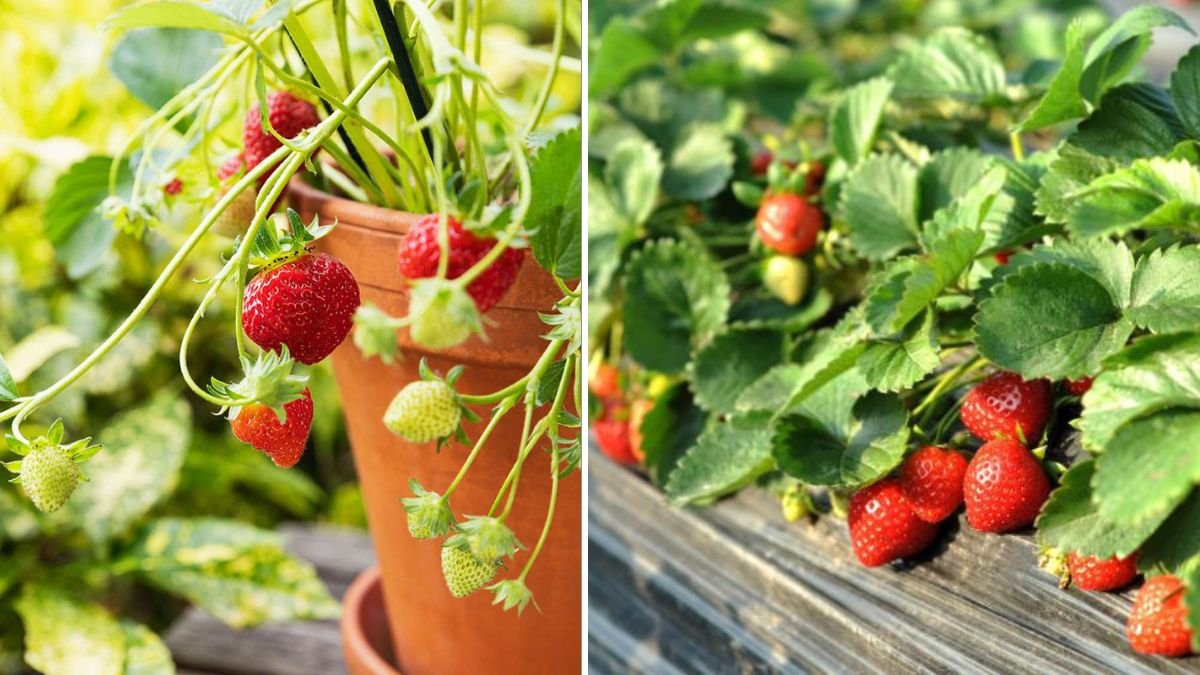
Strawberries are shallow-rooted plants that grow extremely well in containers. Plastic bottles provide an affordable and space-saving solution for urban gardeners. They are easy to hang, stack, or place on balconies. Bottles allow excellent drainage control and soil customization. Elevation keeps fruits clean and pest-free. This method works even without a garden. Reusing bottles reduces plastic waste. With proper care, bottle-grown strawberries produce sweet, abundant harvests.
Understanding Strawberry Growth in Containers
Strawberries spread through compact root systems and runners. They prefer loose soil, consistent moisture, and good airflow. Containers restrict excessive leaf growth. Plants focus more energy on fruiting. Bottle gardening prevents soil-borne diseases. Controlled space improves plant health. Proper planning ensures continuous harvests. Understanding growth habits leads to better yields.
Choosing the Right Plastic Bottles
Use bottles of 2–5 liters for best results. Transparent bottles should be wrapped to block sunlight. Cut side openings or top sections for planting. Ensure sturdy plastic that holds soil weight. Clean bottles thoroughly before use. Larger bottles produce more fruits. Bottle size affects root development. Strong containers support healthier plants.
Preparing Drainage for Healthy Roots
Drill multiple holes at the bottom of each bottle. Add small stones or gravel for drainage. Proper drainage prevents root rot. Excess water must escape freely. Drainage improves oxygen flow. Healthy roots absorb nutrients efficiently. Poor drainage reduces yield. This step is critical for success.
Best Soil Mix for Bottle Strawberries
Strawberries need light, fertile soil. Mix garden soil, compost, and coco peat evenly. Add vermicompost for continuous nutrition. Avoid heavy clay soil. Slight acidity improves fruit flavor. Loose soil promotes root spread. Healthy soil results in sweeter berries. Soil quality determines harvest success.
Selecting Strawberry Varieties for Bottles
Choose everbearing or day-neutral varieties. Compact plants perform best. Disease-resistant types reduce maintenance. Local varieties adapt faster. Healthy seedlings establish quickly. Avoid weak or old plants. Variety choice affects sweetness and size. Good genetics improve consistency.
Planting Strawberries in Plastic Bottles
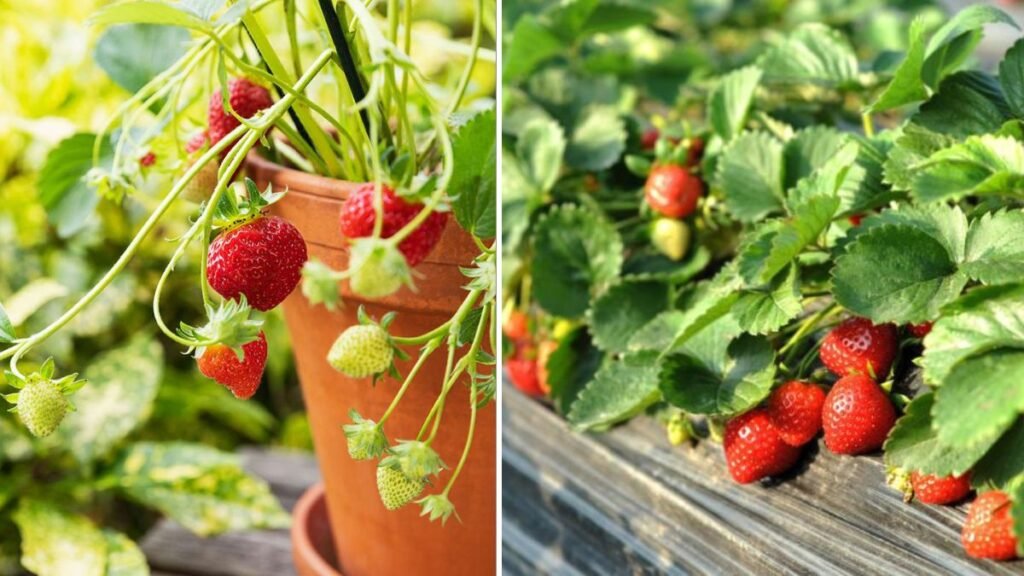
Fill bottles with prepared soil. Plant one seedling per bottle opening. Keep the crown above soil level. Water lightly after planting. Place bottles in partial shade initially. Gradually introduce full sunlight. Avoid burying the crown. Proper planting ensures survival.
Sunlight Requirements for Sweet Fruits
Strawberries require 6–8 hours of sunlight daily. Morning sun is ideal. Rotate bottles weekly for even exposure. Insufficient light causes poor fruiting. Strong sunlight improves sweetness. Light affects flower formation. Placement determines yield. Consistent light is essential.
Watering Schedule for Bottle Strawberries
Plastic bottles dry faster than ground soil. Water when topsoil feels dry. Avoid waterlogging. Morning watering is best. Mulching reduces evaporation. Irregular watering causes small fruits. Balanced moisture improves berry size. Regular monitoring is necessary.
Feeding Strawberries for Continuous Harvest
Feed plants every 10–14 days. Use compost tea or liquid organic fertilizer. Potassium boosts flowering and fruiting. Avoid excessive nitrogen. Liquid feeding absorbs quickly. Regular nutrition supports runners and fruits. Balanced feeding increases yield. Timing matters greatly.
Managing Runners in Bottle Gardening
Remove excess runners regularly. Focus energy on fruit production. Allow limited runners if propagation is desired. Runner control improves berry size. Overcrowding reduces yield. Clean growth improves airflow. Management enhances productivity. Observation guides decisions.
Pollination Tips for Better Fruit Set
Strawberries are self-pollinating. Gentle shaking helps pollen movement. Bees assist naturally. Morning pollination is best. Healthy flowers indicate good nutrition. Poor pollination causes misshapen fruits. Proper care improves fruit quality. Pollination affects appearance.
Pest and Disease Prevention
Common pests include aphids and mites. Neem oil works effectively. Remove damaged leaves promptly. Bottle elevation reduces slug attacks. Good airflow prevents fungal disease. Organic methods keep fruits safe. Prevention is easier than cure. Regular checks are essential.
Seasonal Care for Strawberries
Strawberries prefer mild temperatures. Protect plants from extreme heat. Provide shade during hot afternoons. Mulching stabilizes soil temperature. Bottles allow easy relocation. Seasonal adjustment improves yield. Stable conditions reduce stress. Adaptation ensures success.
Harvesting Strawberries Correctly
Harvest when berries are fully red. Use scissors to avoid damage. Pick in the morning for best flavor. Frequent harvesting encourages new fruits. Handle berries gently. Avoid pulling plants. Timely harvest improves sweetness. Regular picking increases output.
Expected Yield from Plastic Bottle Strawberries
| Growing Factor | Result |
|---|---|
| First harvest | 45–60 days |
| Fruits per plant | 15–30 |
| Bottle size | 2–5 liters |
| Harvest duration | 3–4 months |
Common Problems and Solutions
Small fruits indicate low nutrition. Yellow leaves show deficiency. Flower drop signals heat stress. Adjust watering and feeding. Improve sunlight exposure. Remove damaged leaves. Early correction prevents loss. Experience improves results.
Benefits of Growing Strawberries in Plastic Bottles
No garden needed. Low cost. Space efficient. Cleaner fruits. Easy maintenance. Recycles plastic waste. Ideal for balconies. Sustainable gardening method.
Tips for Maximum Strawberry Yield
Use larger bottles. Feed regularly. Maintain consistent watering. Provide strong sunlight. Control runners early. Mulch soil surface. Harvest frequently. Consistency brings abundance.
Conclusion: Fresh Strawberries from Simple Bottles
Plastic bottle strawberry gardening is practical and rewarding. Even small spaces can produce sweet fruits. With simple care, yields are impressive. Beginners can succeed easily. Homegrown strawberries taste better. This method saves money and space. Start growing today. Enjoy fresh harvests.