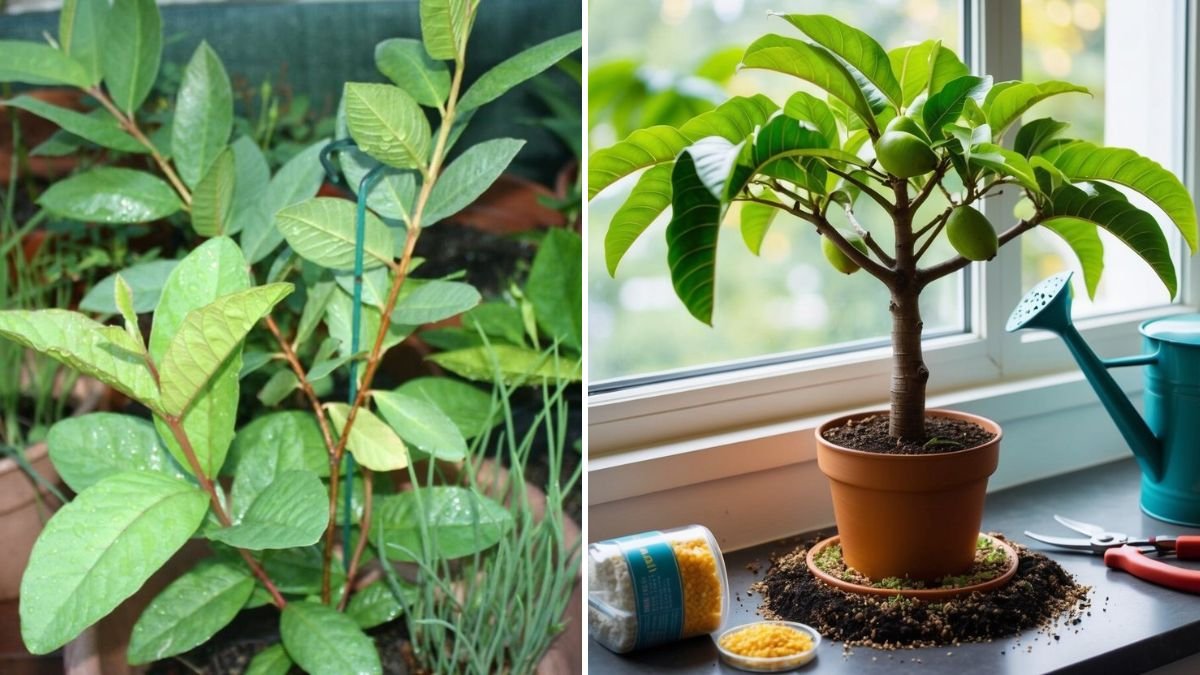
Guava is one of the most beloved fruits in tropical and subtropical regions. With its fragrant aroma, sweet-tangy flavor, and high nutritional value, guava has earned popularity among gardeners and fruit lovers alike. The best part? Guava trees are surprisingly easy to grow, even for beginners. Whether you have a spacious backyard or a small balcony, you can cultivate a healthy guava tree with proper care and patience.
In this comprehensive guide, we will explore everything you need to know about growing guava—from choosing the best variety and propagation method to caring for the tree and harvesting delicious fruits.
Why Grow Guava Trees at Home?
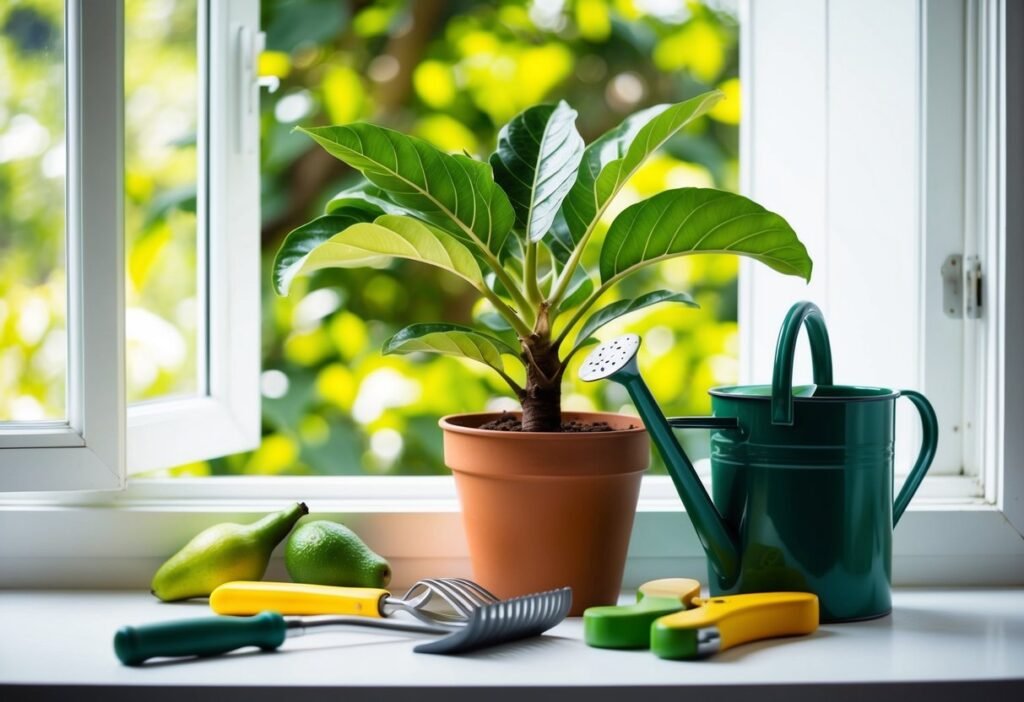
Guava trees offer multiple benefits:
- Fast growth compared to many fruit trees
- High yield, often producing several harvests per year
- Beautiful foliage and flowers
- Resistant to pests and diseases
- Low maintenance nature
- Suitable for pots and open ground
Because of these qualities, guava is a perfect fruit tree for beginners and urban gardeners.
Understanding Guava Tree Requirements
Guava (Psidium guajava) thrives in warm climates but adapts well to a wide range of conditions.
Sunlight
Guava trees need 6–8 hours of direct sunlight daily.
Sunlight affects blossom formation and fruit sweetness.
Soil
They prefer:
- Well-drained soil
- Slightly acidic to neutral pH
- Sandy loam or loamy soil
Guava roots are sensitive to waterlogging, so drainage is essential.
Temperature
Ideal temperature ranges between 20–35°C (68–95°F).
Choosing the Best Guava Variety
Popular guava varieties include:
- Allahabad Safeda – Sweet, white-fleshed
- Lucknow-49 – Large fruits, high productivity
- Thai Guava – Aromatic, pink flesh
- Strawberry Guava – Red inside, sweet flavor
Beginners often prefer Allahabad Safeda or Lucknow-49 because they grow well and fruit reliably.
Propagation Methods for Guava Trees
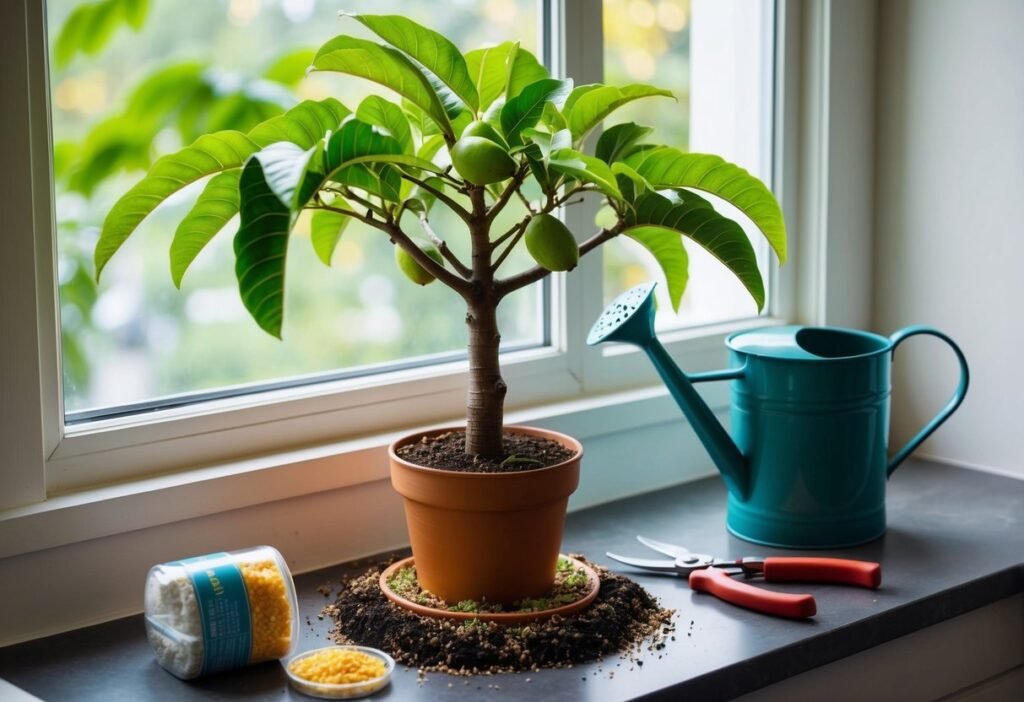
Guava can be propagated in several ways:
- Seeds – Easy but slow
- Stem cuttings – Fast and reliable
- Air layering – Excellent for older trees
- Grafting – Advanced technique
Among these, stem cuttings and air layering produce the best results.
Method 1 — Growing Guava from Seeds
Growing guava from seeds is simple and fun, but it requires patience.
Steps
- Choose a ripe guava
- Remove seeds and wash off pulp
- Dry seeds for a few hours
- Plant seeds in potting mix
- Keep soil moist
- Place in sunlight
Seeds germinate in 2–4 weeks.
✅ Advantages: Easy, inexpensive
⚠️ Disadvantages: May take 3–4 years to fruit
Seed-grown trees may not produce fruit identical to the parent.
Method 2 — Propagating Guava from Stem Cuttings (Best Method)
Cuttings produce clones of the parent plant and fruit faster.
Materials Needed
- Healthy semi-hardwood branch
- Pruning shears
- Rooting hormone (optional)
- Potting soil
- Plastic cover
Steps
- Cut a 6–8 inch branch
- Remove leaves from lower half
- Dip cut end in rooting hormone
- Plant in moist soil
- Cover with plastic for humidity
- Keep in bright shade
Roots form within 4–6 weeks.
Once rooted, transplant into a larger pot or garden.
Method 3 — Air Layering (Highly Effective)
Air layering is ideal for older guava trees.
Steps
- Choose a branch
- Remove a ring of bark
- Apply rooting hormone
- Wrap with moist moss
- Cover with plastic
- Keep moss moist
- Roots form in 6–10 weeks
- Cut and transplant
✅ High success
✅ Strong root system
✅ Faster fruiting
Planting Guava in the Ground
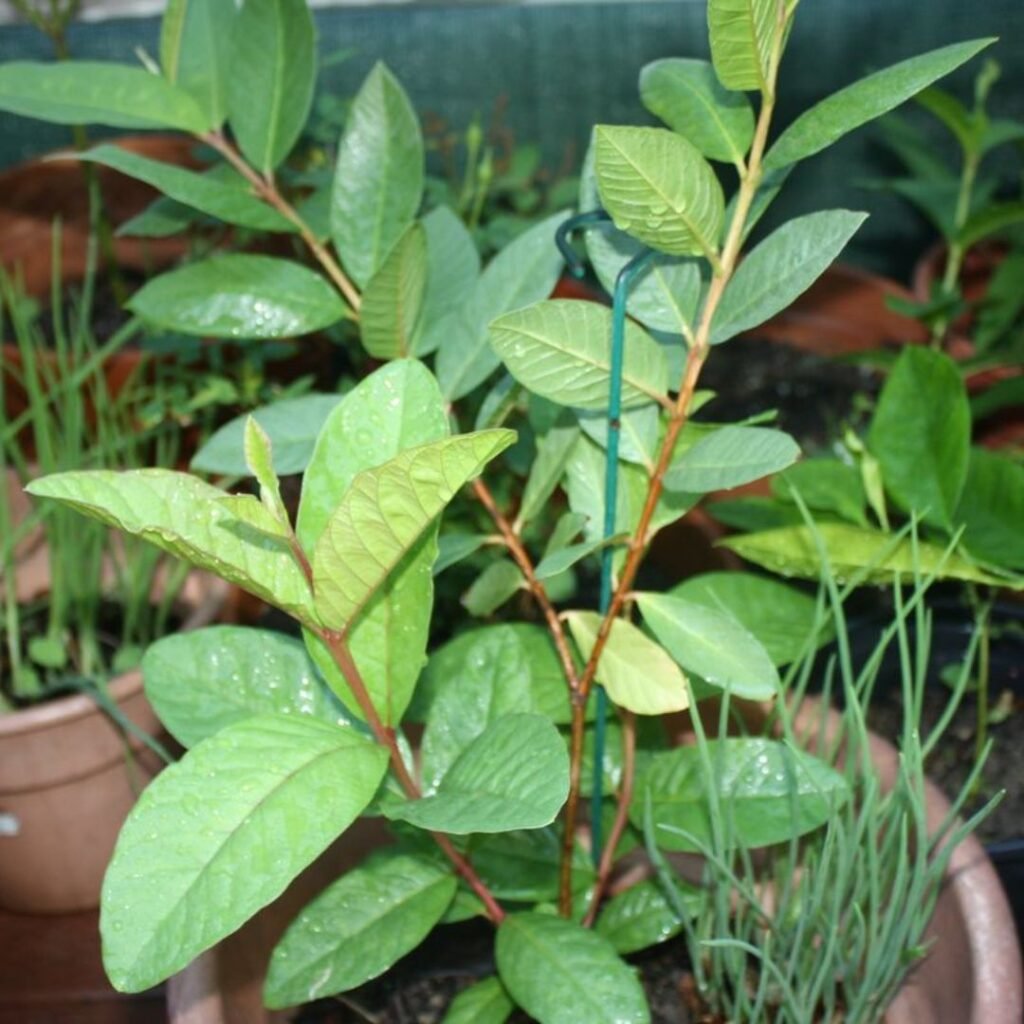
When planting:
- Choose a sunny spot
- Dig a hole 2 feet wide and deep
- Mix soil with compost
- Place plant at same depth
- Fill and press gently
- Water deeply
Mulch around the base to retain moisture.
Growing Guava in Containers
Guava thrives in pots if:
- Pot is at least 18–20 inches
- Soil drains well
- You water regularly
Container guavas grow slightly smaller but remain productive.
Sunlight and Watering
Sunlight
Full sun is essential for flowering and fruiting.
Watering
- Water deeply once a week
- Reduce watering during winter
- Avoid soggy soil
Consistent moisture produces juicier fruits.
Fertilizing Guava Trees
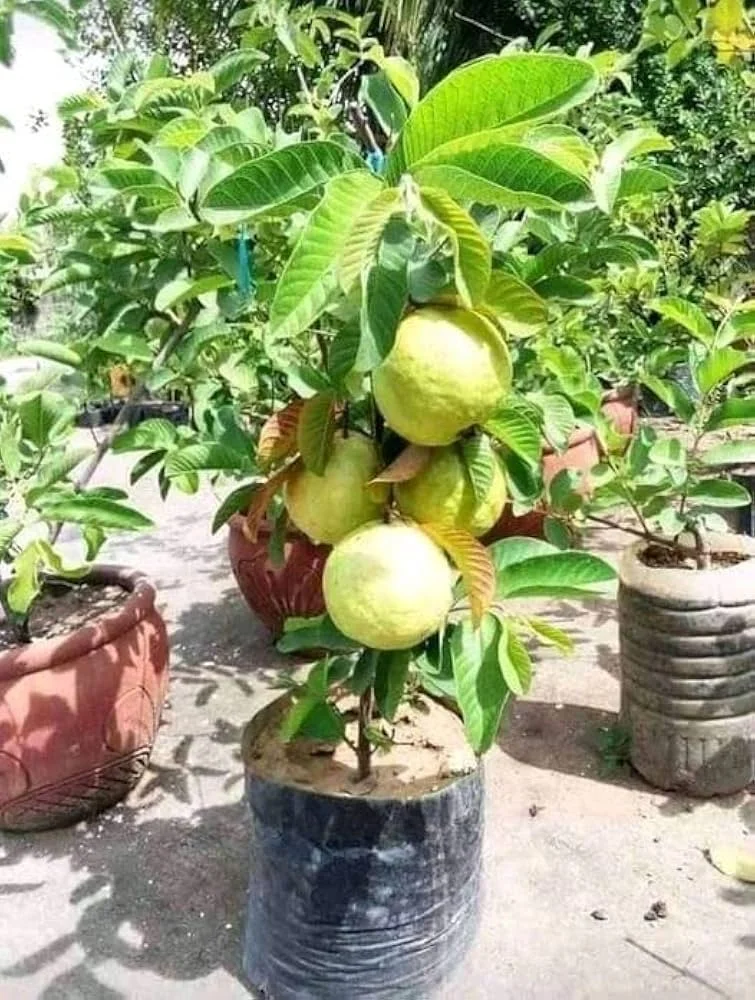
Healthy guavas require nutrients.
Recommended Fertilizers
- Organic compost: Twice a year
- NPK fertilizer (20-20-20): Every 2 months
- Potassium (K): During fruiting
Fertilization improves growth, flowering, and fruit quality.
Pruning Guava Trees
Pruning helps control shape and encourages more fruits.
Pruning Tips
- Remove dead or crossing branches
- Keep center open for airflow
- Prune after harvest
- Shape tree while young
Proper pruning increases fruit size and reduces diseases.
Common Pests and Diseases
Guava trees may face:
- Aphids
- Fruit flies
- Scale insects
- Mealybugs
- Anthracnose
- Powdery mildew
Prevention Tips
- Spray neem oil
- Remove infected parts
- Ensure sunlight and airflow
- Avoid overhead watering
Healthy trees resist pests naturally.
Flowering and Fruit Development
Guava flowers are white, aromatic, and bloom throughout the year.
Fruits develop in 4–6 weeks after flowers appear.
Trees may flower multiple times, especially in warm climates.
Harvesting Guava Fruits
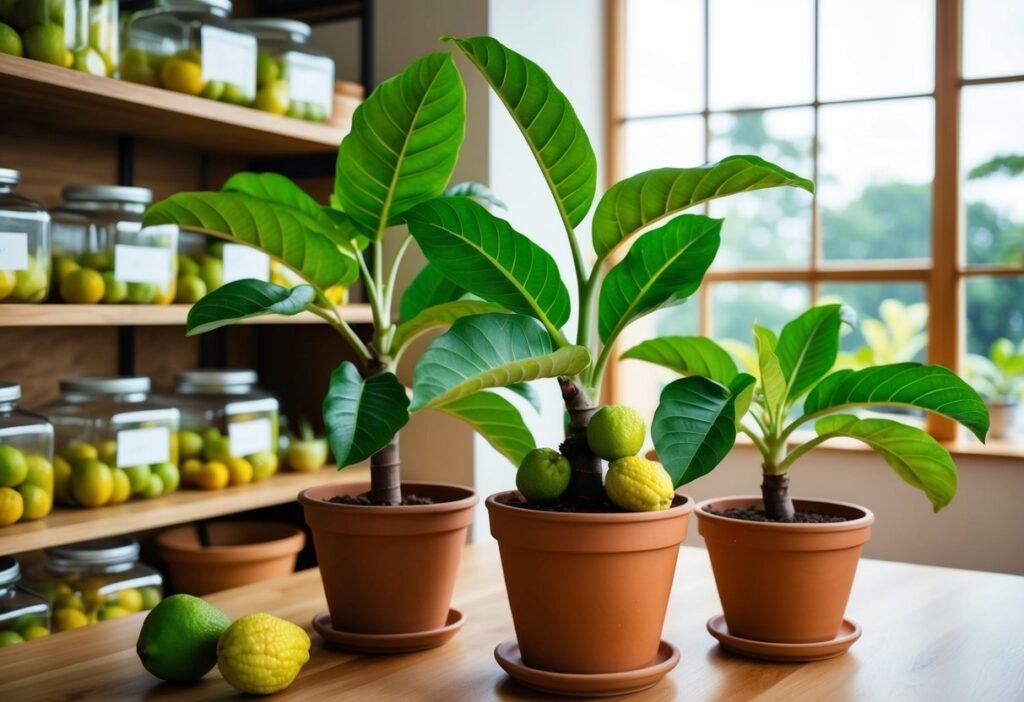
Harvest when:
- Skin changes color
- Fruit feels slightly soft
- Aroma becomes strong
Cut fruits with scissors instead of pulling.
Avoid overripe fruits—they spoil quickly.
How Long Until Guava Trees Bear Fruit?
Depends on propagation method:
- Seed: 3–4 years
- Cuttings: 2–3 years
- Air layering: 1–2 years
- Grafting: 1–2 years
Propagation speed varies, but guavas fruit earlier than many fruit trees.
Tips for Bigger and Sweeter Guavas
Provide full sunlight
Prune regularly
Fertilize with potassium
Maintain consistent watering
Protect from pests
Mulch around roots
These improve fruit taste and size.
Conclusion
Growing a guava tree at home is one of the most rewarding gardening experiences. With minimal care, guava trees grow quickly, produce abundant fruit, and add beauty to your garden. Whether you plant from seeds, cuttings, or air layering, you can enjoy sweet, fresh guavas right from your own home.
Guava is forgiving, resilient, and perfect for beginners. Start with a healthy cutting, care for it patiently, and soon your tree will reward you with flavorful fruits season after season.