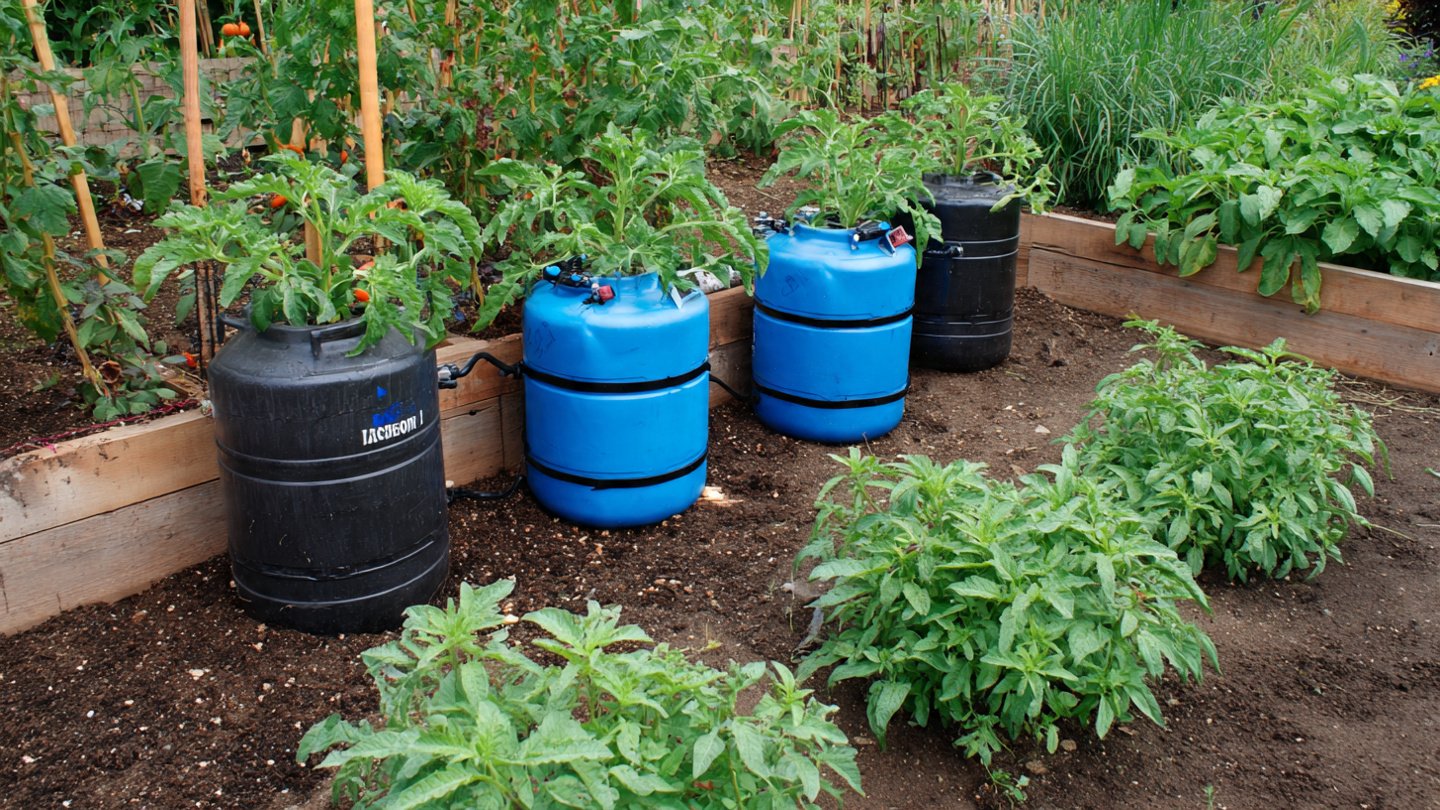
Composting has come a long way from simply being a way to recycle kitchen scraps and yard waste. Modern gardeners and horticulturists are increasingly turning to compost tea brewers as a powerful tool to boost plant health and garden productivity. This article will explore what compost tea is, how compost tea brewers work, and the many ways that utilizing compost tea can transform your garden’s growth.
What Is Compost Tea?
Before diving into the mechanics of compost tea brewers, it’s important to first understand what compost tea actually is. Essentially, compost tea is a liquid produced by steeping compost in water, allowing beneficial microorganisms, nutrients, and organic matter to infuse into the water. The result is a nutrient-rich brew that can promote soil health and support plant growth in numerous ways.
Benefits of Compost Tea
-
Microbial Diversity: Compost tea is packed with beneficial microbes that help outcompete harmful pathogens.
-
Nutrient Availability: The liquid form makes nutrients accessible to plants more quickly than solid compost.
-
Plant Health: It can enhance plant health, leading to stronger growth, better disease resistance, and improved yields.
-
Soil Structure: Compost tea can improve soil structure, enhancing aeration and drainage.
-
Sustainable Gardening: It reduces the need for chemical fertilizers and pesticides, promoting a more sustainable approach.
Understanding Compost Tea Brewers
What Is a Compost Tea Brewer?
A compost tea brewer is a specialized piece of equipment designed to create compost tea more efficiently than traditional methods. It often consists of an aeration system that helps multiply the beneficial microorganisms present in the compost. While it’s possible to make compost tea without a brewer (using a simple bucket), a brewer maximizes the nutrient extraction and microbial growth potential.
How Does It Work?
-
Input Materials: High-quality, well-aerated compost is placed in a mesh bag or directly into the brewer.
-
Water: Non-chlorinated water is added to the brewer. Chlorine can kill the beneficial microorganisms you want to cultivate.
-
Aeration: The brewer typically includes a pump that aerates the mix, introducing oxygen. This is crucial for the aerobic bacteria to thrive and multiply.
-
Brew Time: The mixture is aerated for a period, usually ranging from 24 to 48 hours, depending on the equipment and desired outcomes.
-
Application: Once brewed, the compost tea can be used immediately or stored for a short period (ideally under a week).
How Compost Tea Can Transform Your Garden’s Growth
Enhanced Nutritional Profile
One of the most significant advantages of using compost tea is the enhanced nutritional profile it provides to your plants. Basic fertilizers offer nitrogen, potassium, and phosphorus, but compost tea delivers a wider range of nutrients, including micronutrients vital for overall plant health.
Increased Microbial Activity
The microbial diversity in compost tea plays a crucial role in nutrient cycling. Beneficial microbes help break down organic matter and make nutrients available to plants. They also support seed germination, root development, and overall plant vigor. Studies have shown that plants treated with compost tea exhibit improved root systems and higher biomass.
Improved Disease Resistance
A healthy, diverse microbial community can suppress soil-borne diseases. Beneficial microorganisms in compost tea can outcompete and neutralize harmful pathogens. The increased microbial activity forms a natural defense mechanism, making plants more resilient to diseases such as wilt, root rot, and blight.
Better Soil Quality
Healthy soil is the foundation of a successful garden, and compost tea contributes significantly to soil quality. It enhances soil structure by increasing the aggregation of soil particles, improving aeration and water retention. Better soil structure leads to more robust root systems, which translate into healthier plants.
Increased Crop Yields
Gardens treated with compost tea often yield higher quantities of produce. Whether you’re growing vegetables, herbs, or ornamental plants, the enhanced nutrients and microbial activity provided by compost tea can lead to more abundant harvests. Many gardeners report that they’ve achieved impressive increases in both the quantity and quality of their crops.
Environmental Sustainability
Utilizing compost tea brewers aligns well with sustainable gardening practices. By recycling waste materials and significantly reducing reliance on chemical fertilizers, compost tea contributes to a healthier ecosystem. It promotes biodiversity, supports beneficial insect populations, and is more environmentally friendly than synthetic options.
Cost-Effectiveness
While the initial investment in a compost tea brewer might seem significant, the long-term benefits often outweigh the costs. Reducing or eliminating the need for chemical fertilizers can lead to substantial savings for both home gardeners and commercial growers. Furthermore, compost tea can also improve the efficiency of other inputs, amplifying their impact.
Tips for Making the Most of Compost Tea Brewers
Use Quality Compost
The quality of your compost directly affects the quality of the tea. Ensure that your compost is made from a variety of organic materials and is well-aerated.
Choose the Right Brewer
Depending on the size of your garden or farm, you can select from a range of compost tea brewers, from small, homemade versions to larger, commercial models. Your choice should depend on your needs and budgets.
Maintain Aeration
Consistently aerating your compost tea helps to maintain a healthy environment for beneficial organisms. If you skimp on aeration, you might end up with a tea that has a lower microbial count or even harmful anaerobic bacteria.
Application Timing
To maximize the benefits, apply compost tea during key growth periods—when seeds are germinating, at the onset of flowering, or during stress periods such as drought.
Monitor Your Plants
Observing your plants regularly can offer insights into how well they’re responding to compost tea applications. Look for signs of improved growth, vibrant foliage, and greater resilience against pests and diseases.
Experiment
Don’t hesitate to experiment with the brewing process. Different brewing times, compost sources, and ratios can yield different results. Find what works best for your garden’s unique needs.
Conclusion
As gardeners become more informed about sustainable practices, tools like compost tea brewers are gaining traction for good reason. The transformative power of compost tea lies in its ability to enhance plant health, boost crop yields, and foster an ecosystem that thrives on biodiversity.
By investing in compost tea brewers, gardeners can take a significant step towards creating a flourishing, sustainable garden. Whether you’re a home gardener looking to improve your backyard oasis or a large-scale farmer aiming for higher yields, compost tea brewers could be the secret ingredient for transforming your garden’s growth. The end result is a lush, vibrant landscape that’s not only productive but also environmentally friendly and resilient.