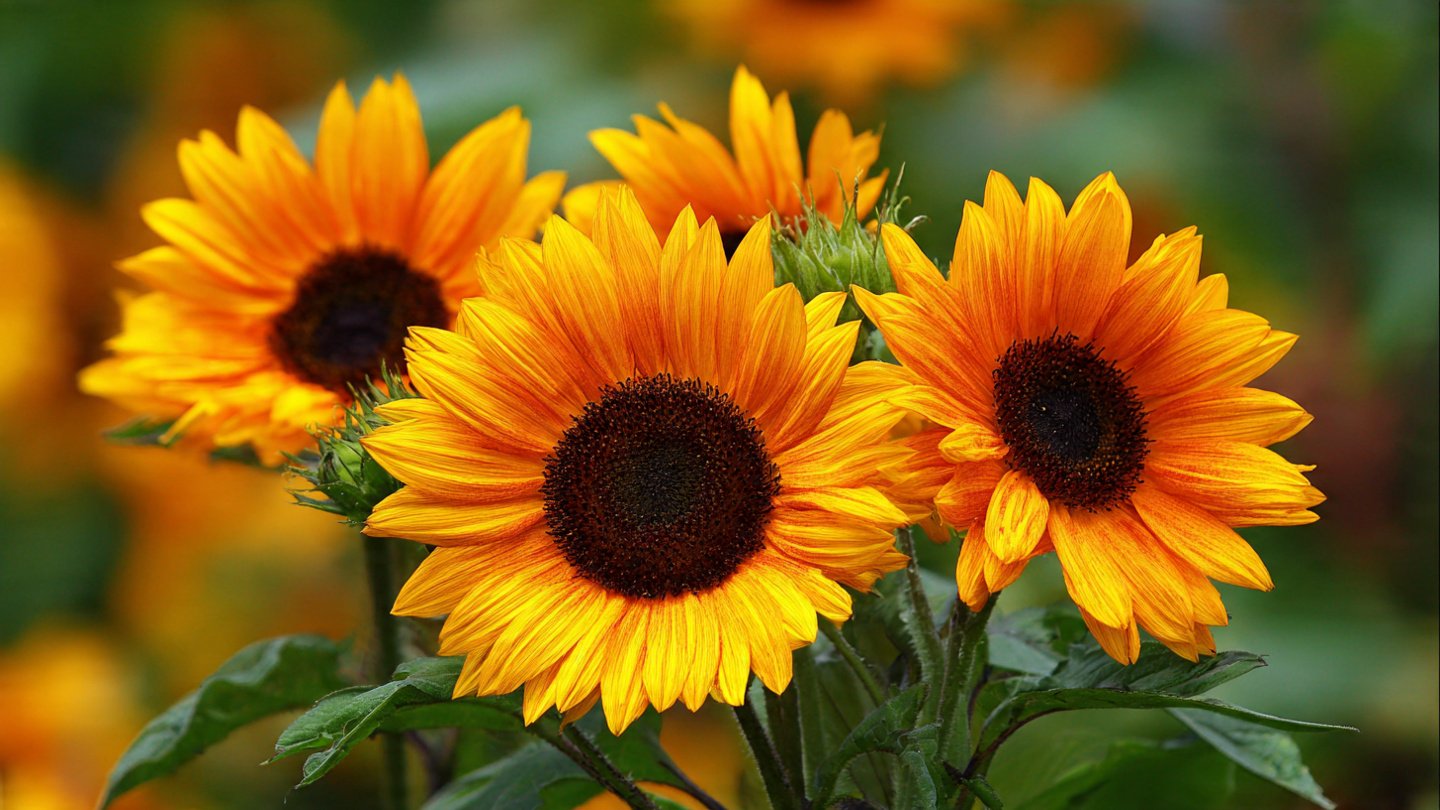
Sunflowers (Helianthus annuus) are not only stunning additions to your garden, but they also serve numerous ecological benefits. One of the most captivating advantages of planting sunflowers is their ability to attract birds. In this article, we will delve into the mechanism behind this attraction, the benefits of creating a bird-friendly environment, and practical tips on how to cultivate sunflowers effectively.
The Allure of Sunflowers
Sunflowers have a vivid, sunny appearance, with large yellow petals and tall stalks. They naturally draw the eye, but their appeal goes beyond aesthetics. Here are a few reasons why sunflowers are particularly attractive to birds:
1. Seed Production
The primary attraction for birds comes from the seeds that sunflowers produce. These seeds are rich in oils and nutrients, making them a high-energy food source essential for avian species. Common birds such as finches, cardinals, and sparrows are especially drawn to sunflower seeds. Once the flowers bloom, they attract various species that will stop by for a snack.
2. Accessibility
Sunflowers produce large, round flower heads filled with seeds—visible and easily accessible to birds. The arrangement of the seeds allows birds to grip the flower head while they peck at the seeds. This accessibility makes sunflowers an ideal food source compared to other types of flowering plants.
3. Natural Habitat
Sunflowers grow tall and sturdy, providing natural perches and cover for birds. They create a microhabitat that offers shelter from predators and harsh weather. When planted in clusters, sunflowers can form a protective environment where birds feel safe to feed and perch.
Benefits of Attracting Birds to Your Garden
Creating an environment that attracts birds has numerous advantages, from ecological benefits to aesthetic improvements.
1. Pest Control
Birds are natural pest controllers. By adding sunflowers to your garden, you create a habitat that encourages birds to visit. Birds such as chickadees and sparrows help control populations of harmful insects like aphids and caterpillars. This natural form of pest control reduces your reliance on pesticides, promoting a healthier garden ecosystem.
2. Biodiversity
When birds visit your garden, they contribute to its overall biodiversity. Birds play essential roles in pollination and seed dispersal, helping your garden flourish. The presence of various bird species can also indicate the health of your ecosystem.
3. Natural Fertilization
Bird droppings serve as excellent fertilizer, enriching the soil with nutrients. When birds flock to your sunflower garden for seeds, they’re also inadvertently fertilizing the plants, promoting healthier growth.
4. Educational Opportunities
Attracting birds to your garden can be a fantastic educational experience for both children and adults. Observing different bird species can spark interest in nature, biology, and environmental conservation, fostering a deeper appreciation for the environment.
Choosing the Right Sunflower Varieties
If you’re interested in attracting birds to your garden, selecting the right sunflower varieties is crucial. Not all sunflowers produce seeds, so it’s essential to choose the right types.
1. Common Varieties
- Russian Giant: Known for its towering height and large flower heads, the Russian Giant is a favorite for attracting birds.
- Mammoth Sunflower: This variety produces massive seeds, making it a magnet for seed-loving birds.
- Black Oil Sunflower: Renowned for its high oil content, these seeds are favored by many birds and are easy to harvest.
2. Heirloom Varieties
Heirloom sunflowers often produce seeds that are particularly appealing to birds. Moreover, planting heirlooms can contribute to biodiversity and support local ecosystems. Consider varieties like Autumn Beauty and Lemon Queen to diversify your garden’s appeal.
Best Practices for Planting and Caring for Sunflowers
Successfully attracting birds to your garden through sunflower planting requires thoughtful planning and care.
1. Timing and Soil Preparation
Sunflowers thrive in full sunlight, so choose a location that receives at least six hours of sunlight each day. Prepare the soil by loosening it and adding compost or organic matter to ensure adequate drainage and nourishment.
2. Planting
Sunflower seeds can be sown directly into the garden after the frost has passed. Follow these steps:
- Spacing: Plant seeds about 6 inches apart to allow for ample growth. For larger varieties, consider spacing them up to 12 inches apart.
- Depth: Sow seeds about 1 to 2 inches deep. Water thoroughly after planting.
3. Care and Maintenance
- Watering: Sunflowers require moderate watering, particularly during dry spells. Ensure they receive about an inch of water each week.
- Mulching: Applying mulch can help retain moisture and suppress weeds, allowing your sunflowers to thrive.
- Support: For taller sunflower varieties, consider adding stakes for extra support to prevent them from bending or breaking.
4. Harvesting
Once the flowers start to wilt and the backs of the heads turn yellow, it’s time to harvest.
- Timing: Allow sunflowers to fully mature, as this is when seeds become plump and nutritious.
- Method: Cut the flower heads, leaving a few inches of stem. Hang them upside down in a well-ventilated area to dry.
Creating a Bird-Friendly Environment
While sunflowers are a fantastic starting point for attracting birds, incorporating additional features can enhance your garden’s appeal.
1. Water Sources
Provide a birdbath or shallow dish filled with water. Birds need a constant source of fresh water for drinking and bathing, especially during hot months.
2. Additional Food Sources
Incorporate other native plants that produce seeds, berries, or nectar. Examples include coneflowers, asters, and elderberries. You might also consider putting out bird feeders stocked with sunflower seeds, millet, and safflower seeds to cater to different bird species.
3. Shelter and Nesting Areas
Plant shrubs and trees that offer shelter and nesting sites. Evergreen plants can provide year-round cover, while flowering plants can attract insects that birds rely on for feeding.
4. Avoid Pesticides
To attract and keep birds in your garden, minimize the use of pesticides, which can harm both birds and insects they feed on.
Observing and Enjoying the Birds
Once your sunflower garden begins to flourish, take the time to enjoy the multitude of birds that will come to visit.
1. Birdwatching
Consider investing in a good pair of binoculars to observe the various species. You might be surprised at the diversity of birds you attract, each with unique behaviors and colors.
2. Create a Journal
Keep a birdwatching journal to document your observations. Note the different species you see, their feeding behaviors, and any interesting interactions between them.
3. Engage with Community
Sharing your experiences with local gardening or birdwatching groups can enrich your understanding and appreciation of the natural world.
Conclusion
Planting sunflowers is an effective and enjoyable way to attract birds to your garden. By providing food, shelter, and a vibrant environment, you can create a thriving ecosystem that supports local wildlife. As you cultivate your sunflower plants, you’ll be rewarded not only with beautiful blooms but also the joy of watching birds in their natural habitat.
In essence, sunflowers don’t just add beauty to your garden—they also serve as critical resources for birds and contribute to fostering biodiversity. So grab a handful of sunflower seeds, get your hands dirty, and start your journey towards becoming a bird-friendly gardener today!