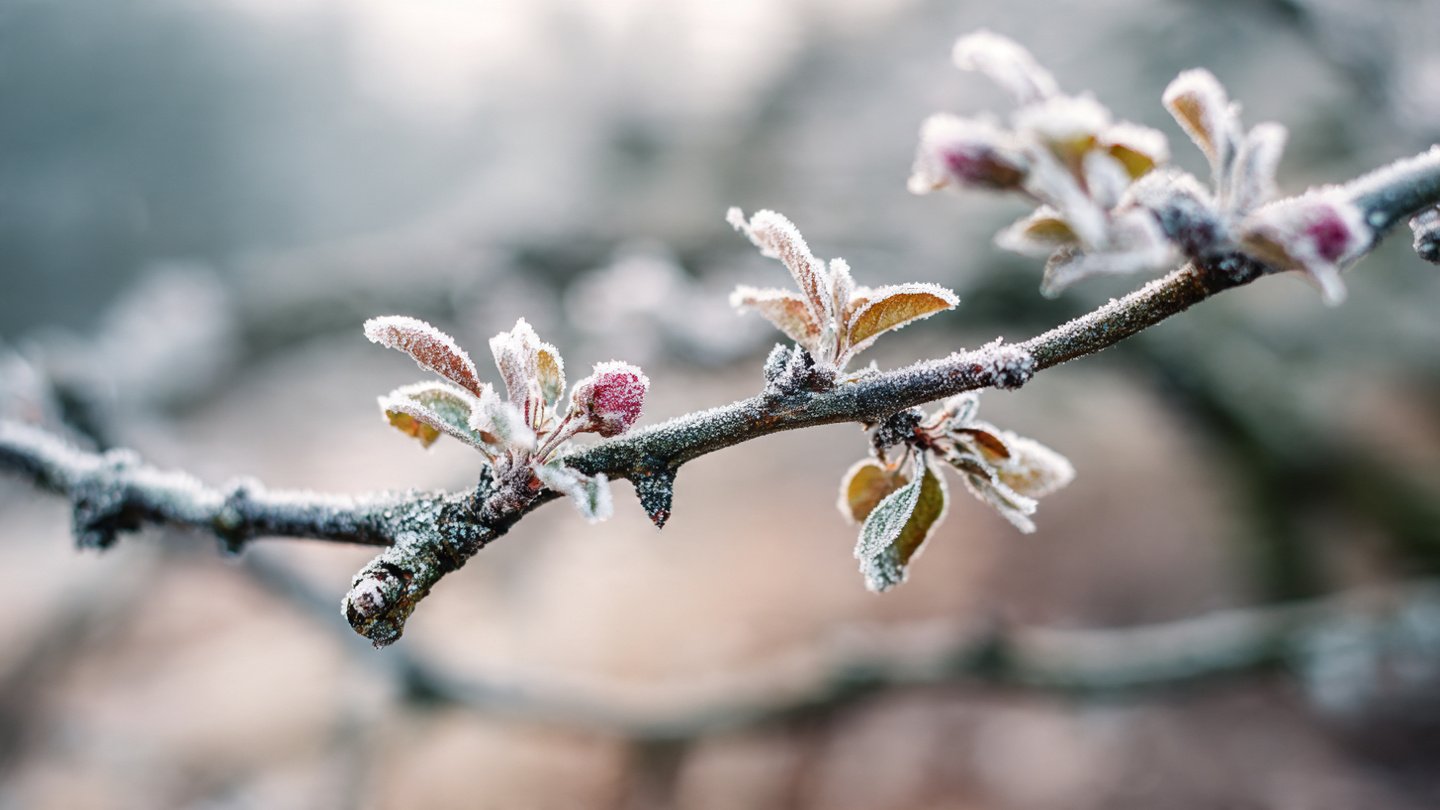
Winter can be a harsh time for fruit trees. With freezing temperatures and frost threatening their survival, proper protection becomes essential. While many homeowners may believe their trees can withstand cold weather, the reality is that fruit trees often need assistance to thrive through winter. This article will delve into how proper protection can ensure your fruit trees survive winter frost, discussing various methods and best practices for keeping them healthy during the cold months.
Understanding Frost and Its Effects on Fruit Trees
Frost occurs when temperatures drop below freezing, causing water vapor in the air to crystallize. For fruit trees, especially those that are not native to colder climates, this can lead to serious damage. Some of the primary effects of frost on fruit trees include:
- Brittleness: The cells within the tree can become brittle, leading to breakage of branches.
- Flower and Fruit Damage: Frost can kill off blossoms and developing fruit, significantly reducing yields for the upcoming season.
- Root Damage: Ground freezing can damage the roots, making it difficult for trees to absorb nutrients and water when they thaw out.
Understanding these effects highlights the importance of implementing protective measures before winter arrives.
Preventive Measures to Protect Fruit Trees
There are several strategies you can adopt to protect your fruit trees from winter frost.
1. Selecting the Right Varieties
Choosing fruit tree varieties that are suited for your climate zone is the first step in ensuring their survival. Some trees are more resilient to cold than others. Research and select varieties that can withstand colder temperatures in your region to minimize frost damage.
2. Proper Pruning
Pruning your fruit trees in late fall can help them survive the winter months. By removing dead or diseased branches, you can improve air circulation and reduce the likelihood of moisture accumulation, which can lead to frost damage. However, be cautious not to over-prune, as this may expose the tree to more cold.
3. Mulching
Applying mulch around the base of your fruit trees protects their roots from freezing conditions. A layer of mulch will insulate the soil, keeping it warmer and helping to retain moisture. Organic materials like straw, wood chips, or shredded leaves work well for this purpose.
4. Wrapping Trunks and Branches
Wrapping the trunks and main branches of young fruit trees with insulation materials can help protect them from extreme cold. Use materials like burlap or tree wraps designed for winter protection. Make sure to wrap them loosely to prevent girdling.
5. Using Frost Cloths
Frost cloths are an excellent way to protect trees from frost during cold nights. Covering your trees with these cloths can provide added warmth and shield them from the cold air. Ensure that they do not touch the foliage directly, as this can create additional frost exposure.
6. Planting Windbreaks
Creating a windbreak with taller plants or fences can protect your fruit trees from cold winds and help create a microclimate that is warmer. Consider planting evergreens or constructing barriers that can filter out harsh winter winds.
7. Watering Before Freeze
Watering your trees before a hard freeze can also help them endure the cold. Moist soil retains heat better than dry soil, which can minimize the risk of frost damage to the roots.
Monitoring and Maintenance
Proper protection is also about consistent monitoring and maintenance. Being proactive rather than reactive is key to ensuring your fruit trees survive winter frost. Here are some best practices:
1. Regular Inspections
Regularly check your fruit trees for any signs of stress or damage. This can include checking for cracked bark or fallen branches. Early intervention can help mitigate potential frost damage.
2. Adjusting Protection Measures
As the winter progresses, you may need to adjust your protective measures. Remove wraps and cloths during warmer spells to prevent overheating, and reapply as temperatures drop again.
3. Fertilization
Managing nutrition is crucial, particularly leading into winter. Applying a balanced fertilizer in late summer or early fall can boost the tree’s health, but avoid over-fertilizing, as this can lead to new growth that is vulnerable to frost.
Conclusion
Winter frost poses serious risks to fruit trees, but with proper protection measures in place, you can significantly enhance their chances of survival. From selecting the right varieties to instituting thoughtful care practices, you have the power to shield your fruit trees from the harsh elements of winter. By investing time in proper protection, you not only ensure the health of your trees but also look forward to bountiful harvests in the seasons to come. Remember that the key to fruit tree survival lies in preparation, awareness, and timely intervention.
FAQs
1. When should I start protecting my fruit trees from frost?
You should begin implementing protection measures in late fall, before the first expected frost. Keep an eye on local weather reports to stay informed.
2. Are there specific types of mulch that work best for fruit trees?
Organic mulches like straw, wood chips, and shredded leaves are ideal. They provide insulation and improve soil health over time.
3. Can I use plastic to cover my fruit trees?
It’s not advisable to use plastic directly over trees, as it can trap moisture and cause frost damage. Frost cloth or burlap is a better option.
4. How often should I water my fruit trees in winter?
Water your fruit trees during dry spells, especially before frost events. Be careful not to overwater, as this can lead to root rot.
5. Will wrapping my tree too tightly harm it?
Yes, wrapping too tightly can girdle the tree and restrict its growth. Always wrap loosely, ensuring that it can expand as needed.