Growing summer crookneck squash can be a rewarding experience for both novice and seasoned gardeners. This versatile vegetable, characterized by its distinct yellow, curved neck, is not only delicious but also easy to cultivate. To achieve the ultimate harvest of summer crookneck squash, attention must be paid to various factors, including soil preparation, planting techniques, care during the growing season, and pest management.
To start, successful cultivation of summer crookneck squash begins with selecting the right location. These squash thrive in full sunlight, requiring at least six to eight hours of direct sunlight daily. Additionally, they prefer warm weather; thus, it is crucial to plant them after the last frost of the season. The soil temperature should be consistently above 60°F (15°C) for optimal growth.
Soil preparation plays an essential role in the health of summer crookneck squash. They prefer well-drained, fertile soil rich in organic matter. Conducting a soil test can help determine pH levels and nutrient composition. Ideally, the pH should range from 6.0 to 6.8. If necessary, amendments such as compost, well-rotted manure, or other organic materials should be mixed into the soil to improve fertility and drainage.
When it comes to planting, timing and technique are vital. Summer squash can be started indoors three to four weeks before the last frost or sown directly into the garden once temperatures are stable. For direct sowing, create hills by mounding the soil about three feet apart to help with drainage and air circulation. Plant four to five seeds per hill, burying them about one inch deep. Once seedlings emerge, thin them to two or three plants per hill to provide ample space for growth.
Watering is another critical aspect of nurturing summer crookneck squash. Consistent moisture is essential, especially during the fruit-setting stage. The soil should remain evenly moist but not waterlogged. Drip irrigation or a soaker hose can be beneficial in delivering consistent moisture directly to the plant’s roots while minimizing water on the leaves, which helps prevent diseases. Regularly check the moisture level by sticking a finger into the soil; if it feels dry up to the second knuckle, it’s time to water.
Mulching serves multiple purposes in growing summer crookneck squash. Applying a layer of organic mulch, such as straw or grass clippings, can help retain soil moisture, suppress weeds, and regulate soil temperature. As the mulch decomposes, it also adds nutrients back into the soil, further enhancing the growing conditions for your squash.
Fertilization is another essential element in ensuring a bountiful harvest. Summer crookneck squash is a heavy feeder and benefits from regular applications of fertilizer. A balanced fertilizer, such as a 10-10-10 formulation, can be applied at the time of planting and again mid-season. Following the manufacturer’s instructions for application rates is vital to avoid over-fertilization, which can lead to excessive foliage growth at the expense of fruit development.
Monitoring the plants for signs of pests and diseases is crucial for successful squash cultivation. Common pests include squash bugs, aphids, and cucumber beetles. Regularly inspecting the leaves and stems for signs of infestations can help in early detection. Hand-picking pests or using insecticidal soap can be effective in managing these nuisances. Additionally, companion planting with flowers such as marigolds can attract beneficial insects, like ladybugs, which help control pest populations.
Disease management is equally important when growing summer crookneck squash. Fungal diseases such as powdery mildew and downy mildew can affect squash plants, particularly later in the growing season. Implementing crop rotation, spacing plants adequately for air circulation, and avoiding overhead watering can help minimize the risk of fungal infections. If disease symptoms appear, removing infected leaves promptly can prevent further spread.
As the plants mature, attention should shift to harvesting. Summer crookneck squash is best harvested when they are young and tender, typically around six to eight inches long. The skin should be glossy and the color vibrant. Harvesting too late can result in tougher skin and seeds that are difficult to chew. Using a sharp knife or garden shears, cut the squash from the vine, leaving a short stem attached to the fruit. This method minimizes damage to both the fruit and the plant.
Once harvested, proper handling and storage of summer crookneck squash are crucial to prolonging freshness. Squash should be stored in a cool, dry place, ideally between 50°F and 55°F (10°C to 13°C). They can last for up to a week in this condition. However, if you want to preserve the harvest for a longer time, consider freezing or pickling the squash. To freeze, blanch the squash in boiling water for a couple of minutes, then plunge it into ice water before packaging it in airtight containers.
Finally, reflect on your growing experience to continually improve your summer crookneck squash harvest in the future. Keeping a gardening journal can be beneficial; note the varieties planted, dates of planting and harvesting, pest problems encountered, and successful practices. This information can help in making informed decisions for future growing seasons.
In conclusion, achieving the ultimate harvest of summer crookneck squash involves a combination of proper planning, care, and management throughout the growing process. By focusing on soil health, effective planting techniques, consistent watering, pest and disease management, timely harvesting, and proper storage, gardeners can enjoy abundant, delicious squash throughout the summer months and beyond.
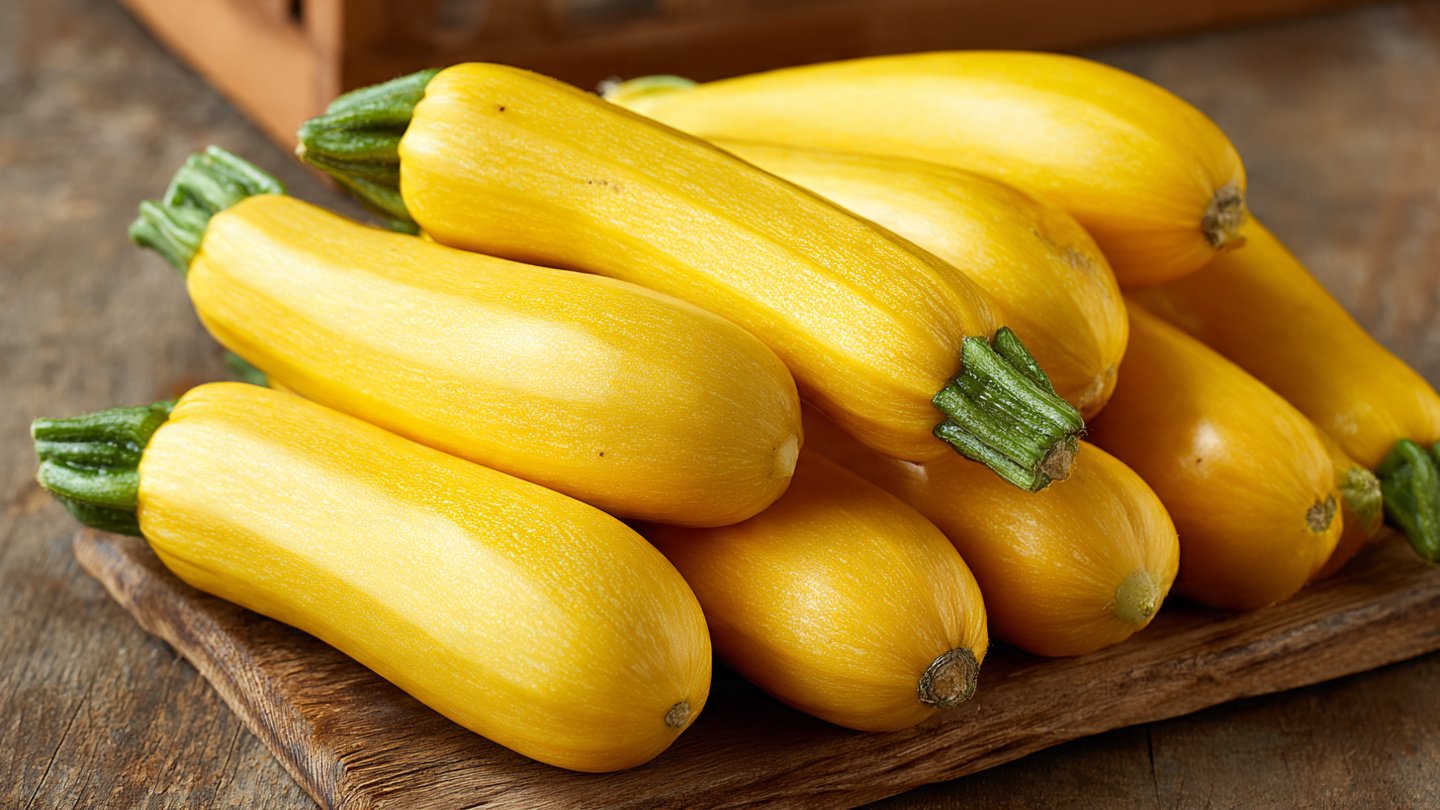
How Can You Achieve the Ultimate Harvest of Summer Crookneck Squash?
Galaxy A57 5G With Super AMOLED Display
Redmi Turbo 5 Pro Max With 9000mAh Battery
Infinix Slim 5G Smartphone
Infinix 2026 5G Smartphone
Nokia 5G Smartphone With 150MP Camera
Nokia S25 Pro Max Smartphone
Vivo Powerful 5G Smartphone
Vivo Y400 Pro 5G Smartphone
Lava Ultra Luxury 5G Smartphone
Realme GT Series 5G Smartphone
Infinix Latest 5G Smartphone
OnePlus Smartphone With 300MP Camera
Vivo X200 Ultra Smartphone
OnePlus Turbo 6V 5G Smartphone
Motorola 5G Smartphone With 250MP Camera
Realme GT 8 Pro Smartphone
Vivo V50 Lite 5G Smartphone
OnePlus New 5G Smartphone
Samsung Galaxy 5G Smartphone
Vivo New Smartphone With 420MP Camera
Oppo Premium 5G Smartphone
Samsung Galaxy J15 Prime 5G
Vivo Smartphone With 300MP Camera
Vivo Affordable 5G Smartphone
Motorola Affordable 5G Smartphone
Nokia 7380 5G Concept Phone
Tecno Spark 20 Pro 5G
Motorola Premium 2026 5G
Infinix Hot 70 Pro Smartphone
Nokia 2026 5G Smartphone