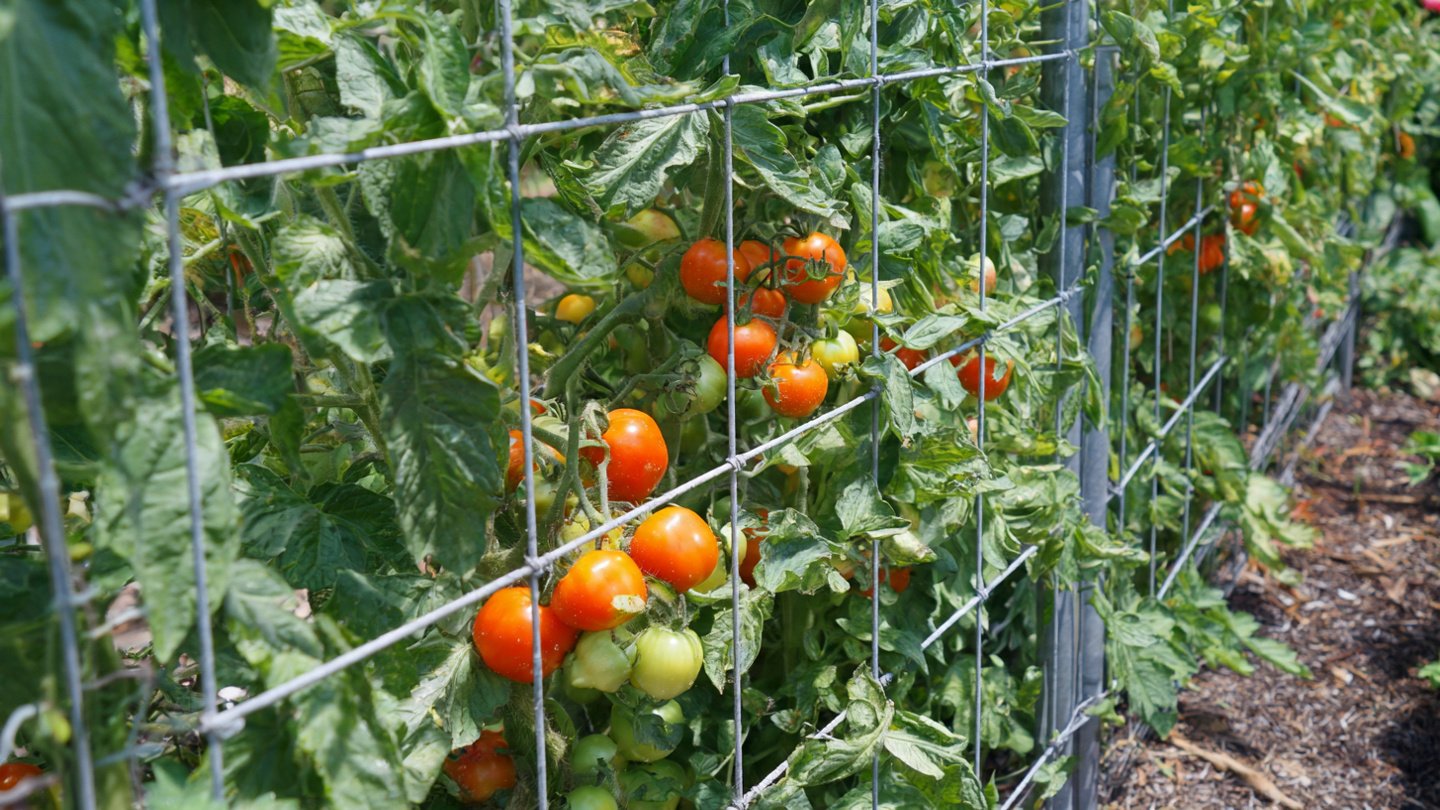
Creating a vertical tomato garden using a cattle panel frame is an innovative solution for maximizing space and ensuring optimal growth for your tomato plants. Vertical gardening is becoming increasingly popular due to its ability to enhance yields while minimizing land usage, making it ideal for urban dwellers or anyone with limited gardening space.
Understanding Cattle Panels
Cattle panels, primarily designed for livestock fencing, are robust, welded wire structures typically measuring 16 feet long and 5 feet tall. They consist of horizontal and vertical wires at regular intervals, providing durable support for climbing plants. The strength and structure of cattle panels make them an excellent choice for supporting vigorous tomato plants that require stability as they grow.
Benefits of Vertical Gardening
Before jumping into the construction details, it’s important to understand the numerous advantages of vertical gardening, especially for tomatoes:
-
Space Efficiency: Vertical gardens utilize vertical space to grow more plants in a smaller footprint, making them ideal for patios, balconies, or small backyards.
-
Improved Air Circulation: Elevated plants allow for better airflow, reducing humidity and the risk of fungal diseases, which are common in traditional gardens.
-
Easier Harvesting: Elevated plants are within reach, making it easier to access fruit for harvesting without bending over or pushing through dense foliage.
-
Reduced Pest Issues: By lifting plants off the ground, you can often reduce pest problems, such as slugs and soil-borne insects.
-
Enhanced Sun Exposure: Tall structures can allow plants to receive more sunlight, especially in shaded areas.
Materials Needed
To create a vertical tomato garden with a cattle panel frame, you’ll need several materials and tools:
- Cattle Panel: Usually 16 feet long.
- T-posts or wooden stakes: For anchoring the cattle panel into the ground.
- Wire or zip ties: For securing the panel.
- Tomato plants (choose determinate or indeterminate varieties as per your preference).
- Soil: A good quality potting mix for your pots, if you prefer growing in containers.
- Containers (optional): If you are growing tomatoes in pots, select appropriate-sized containers.
- Gardening gloves and tools: Such as wire cutters, pliers, and a shovel.
Setting Up Your Vertical Tomato Garden
Step 1: Choose a Location
Select a sunny spot that receives at least 6-8 hours of direct sunlight daily. Ensure the area has easy access to water and is free from strong winds, which can damage young plants.
Step 2: Prepare the Ground
Remove any weeds, grass, or debris from the area where you wish to establish your vertical garden. Loosen the soil to ensure good drainage and root establishment.
Step 3: Install the Cattle Panel
-
Positioning the Panel: Lay the cattle panel flat on the ground to determine the perfect placement. Ideally, it should be positioned where the plants will receive optimal sunlight.
-
Anchoring the Panel: Insert T-posts or wooden stakes at both ends of the panel. Push them deep enough into the ground to ensure stability. A height of about 3-4 feet above the ground is generally recommended.
-
Standing the Panel Up: Once the posts are secured, lift the cattle panel and lean it against the posts, creating a vertical structure.
-
Securing the Panel: Use wire or zip ties to attach the cattle panel to the posts securely. This prevents it from tipping over when the plants grow heavy.
Step 4: Planting Your Tomatoes
Now it’s time to plant your tomatoes. If you’re using containers, fill them with a quality potting mix, allowing them adequate drainage.
-
Planting Depth: Whether you are planting in the ground or in containers, plant your tomato seedlings deep, burying at least half of the stem. This encourages strong root development.
-
Spacing: If you’re placing multiple plants, space them about 18-24 inches apart to give them room to grow and spread out.
-
Watering: Water the plants thoroughly after planting. Ensure the soil remains moist but well-drained to encourage healthy growth.
Step 5: Training the Plants
As your tomato plants grow, they will need support to climb the cattle panel. Here’s how to train them effectively:
-
Using Twine or Clips: Employ garden twine or clips to assist the plants in climbing up the panel. Tie the twine around the base of the plant and loop it around the panel as the plant grows.
-
Regular Pruning: Regularly prune your tomato plants to remove side shoots or suckers, encouraging stronger vertical growth and better fruit production.
-
Monitoring Growth: Keep an eye on your plants as they grow and adjust ties and supports as necessary. Ensure branches are not hanging too much and are supported adequately.
Step 6: Maintenance
Once your vertical garden is established, it is important to maintain it properly:
-
Watering Schedule: Maintain a consistent watering schedule. Tomatoes generally require about an inch of water per week, but you must adjust based on weather conditions.
-
Fertilization: Invest in a good tomato fertilizer or organic compost to enrich the soil for your plants, ensuring they receive essential nutrients for growth.
-
Pest Management: Monitor for common pests such as aphids, spider mites, or caterpillars. Use organic pesticides or natural methods to combat infestations.
-
Pruning and Harvesting: Continually prune and harvest your tomatoes as they ripen, which encourages further fruit production.
Step 7: Enjoying Your Harvest
As your tomato plants flourish, enjoy the satisfaction of harvesting your fresh produce. Whether you use them in salads, sauces, or other dishes, homegrown tomatoes have unbeatable flavor and freshness.
Additional Tips
-
Variety: Consider growing varieties that are suited for vertical gardening, such as indeterminate types that continue to grow and produce throughout the season.
-
Soil Quality: Regularly check soil quality and pH levels to ensure optimal growth conditions.
-
Crop Rotation: If you’re gardening in the same location each year, plan to rotate your crops to prevent soil depletion and disease buildup.
Creating a vertical tomato garden using a cattle panel frame is not only an effective use of space but also a rewarding gardening experience. With careful planning, consistent maintenance, and a touch of creativity, you can enjoy a bountiful harvest of tomatoes while beautifying your outdoor space. Whether you’re a seasoned gardener or a beginner, the vertical approach can elevate your gardening game and ensure delicious results throughout the growing season.