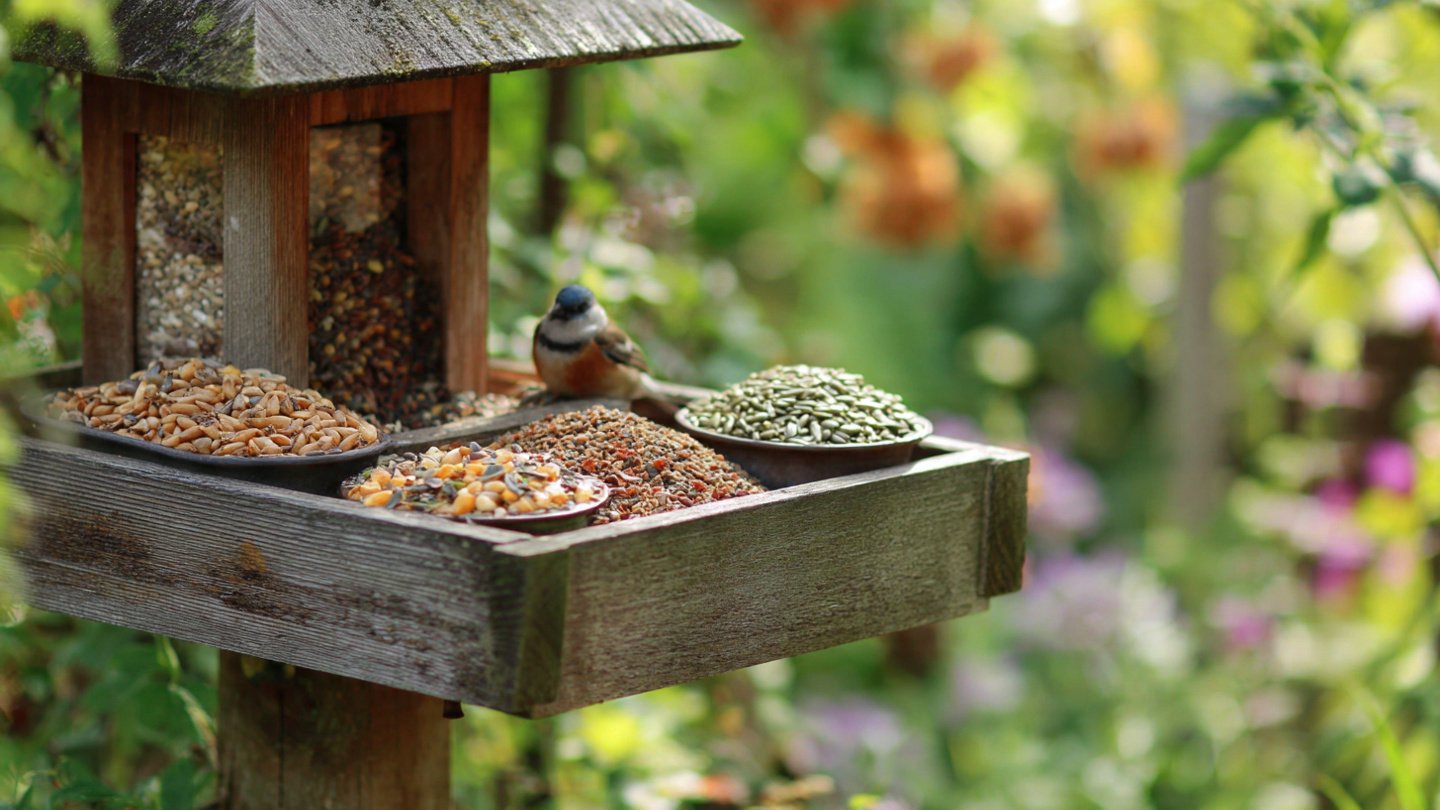
Creating a backyard that attracts birds can be a rewarding and enchanting way to connect with nature. Birdwatching offers not only an opportunity to relax but also helps in understanding local biodiversity. Growing your own birdseed in the garden is an excellent way to continue supporting your feathered friends while adding beauty to your space. In this article, we will delve into how you can cultivate your own birdseed, the benefits, and some helpful tips on the types of seeds to grow.
Benefits of Growing Your Own Birdseed
Before diving into specifics, let’s discuss the benefits of cultivating your own birdseed:
- Cost-Effective: Purchasing birdseed can add up quickly, especially if you have a large number of visitors. Growing your own can reduce these costs significantly.
- Freshness: Homegrown seeds are fresher than store-bought ones, often leading to happier and healthier birds.
- Diversity: You can select a variety of seeds that cater to different bird species, enhancing your garden’s biodiversity and attracting a broader range of birds.
- Environmental Benefits: Growing native plants can support local ecosystems and pollinators, creating a more sustainable environment.
Choosing the Right Soil and Location
The success of your birdseed garden heavily relies on choosing the right soil and location. Consider the following points:
- Sunlight: Most seed plants require at least 6 hours of direct sunlight daily. Select an area that receives ample sunlight throughout the day.
- Soil Quality: Well-draining soil is essential. You can enhance your soil’s quality by adding organic matter such as compost, which enriches it with nutrients.
- Accessibility: Choose a spot that is easy for you to reach for maintenance and harvesting, while also ensuring it’s an inviting area for birds.
Best Seeds to Grow for Birds
Several types of seeds are popular among birds, and each attracts different species. Here are some of the best seeds you can grow in your garden:
- Sunflower Seeds: These are a favorite among many bird species, including cardinals and finches. They are rich in oils and provide essential energy.
- Safflower Seeds: These seeds are great for attracting cardinals, especially since they are less appealing to squirrels.
- Millet: A preferred choice for ground-feeding birds like juncos and sparrows, millet is easy to grow and harvest.
- Niger Seeds: Also known as thistle, these tiny seeds are loved by goldfinches. They thrive in well-drained soil and sunny spots.
- Peanuts: Planting peanuts can also attract various birds like blue jays, and you can grow them in the garden with care.
Sowing and Growing Your Seeds
Once you’ve selected your seeds, it’s time to plant them. Here is a step-by-step guide:
- Prepare the Soil: Clear the chosen area of weeds, rocks, and debris. Loosen the soil to a depth of at least 12 inches.
- Plan Your Layout: Depending on the seed type, plan your layout. Some seeds may require more space than others.
- Sowing the Seeds: Sow seeds according to the instructions on their seed packets. Pay attention to the recommended spacing and depth.
- Watering: After sowing, water the seeds thoroughly. Maintain consistent moisture, especially during the germination period.
- Weeding and Maintenance: Regularly check for weeds, as they can compete with your plants for nutrients. Consider mulching around the plants to deter weeds and retain moisture.
Harvesting Your Birdseed
Once your plants have grown, it’s time to harvest. Here are some tips for it:
- Timing: Wait until the seed heads dry on the plant before harvesting. This is usually the late summer or early fall.
- Technique: Use garden shears or scissors to cut the seed heads off the plant. Handle them gently to avoid losing seeds.
- Storage: Store your harvested seeds in a cool, dry place. Glass jars or sealed plastic bags work well for storage.
Creating a Bird-Friendly Environment
To further enhance your garden’s appeal to birds, consider these additional practices:
- Water Sources: Provide a clean water source, like a birdbath or a small pond, for birds to bathe and drink.
- Natural Shelter: Incorporate native shrubs and trees to provide shelter and nesting spaces for birds.
- Minimize Chemicals: Avoid pesticides and herbicides that can harm birds. Opt for natural alternatives when necessary.
Conclusion
Cultivating your own birdseed in the garden is both an ecological and enriching endeavor. It offers numerous benefits, from cost savings to enhancing your garden’s aesthetic appeal. With careful planning, the right seed choices, and regular maintenance, you can enjoy a thriving garden that attracts a community of beautiful birds. Remember, every effort counts when it comes to supporting local wildlife and fostering a connection with nature.
FAQs
1. How long does it take for birdseed plants to grow?
Growth time varies by species, but most birdseed plants can take anywhere from 60 to 90 days from planting to harvesting. Always check the seed packet for specific timelines.
2. Do I need to use fertilizers for birdseed plants?
It’s helpful to use organic fertilizers to boost soil nutrients, but be cautious not to over-fertilize, as this can harm plants. Consider compost as a natural option.
3. What pests should I be aware of when growing birdseed?
A common pest for seed plants is aphids. You can control them using natural remedies like insecticidal soap or introducing beneficial insects such as ladybugs.
4. Can I grow birdseed plants in containers?
Yes! Many birdseed plants can be grown in containers. Ensure that the pots have good drainage and are large enough to accommodate root growth.
5. How can I prevent squirrels from eating the birdseed?
Choose seeds that are less appealing to squirrels and consider using planting techniques that make it harder for them to access the seeds, like elevated feeders or hanging baskets.