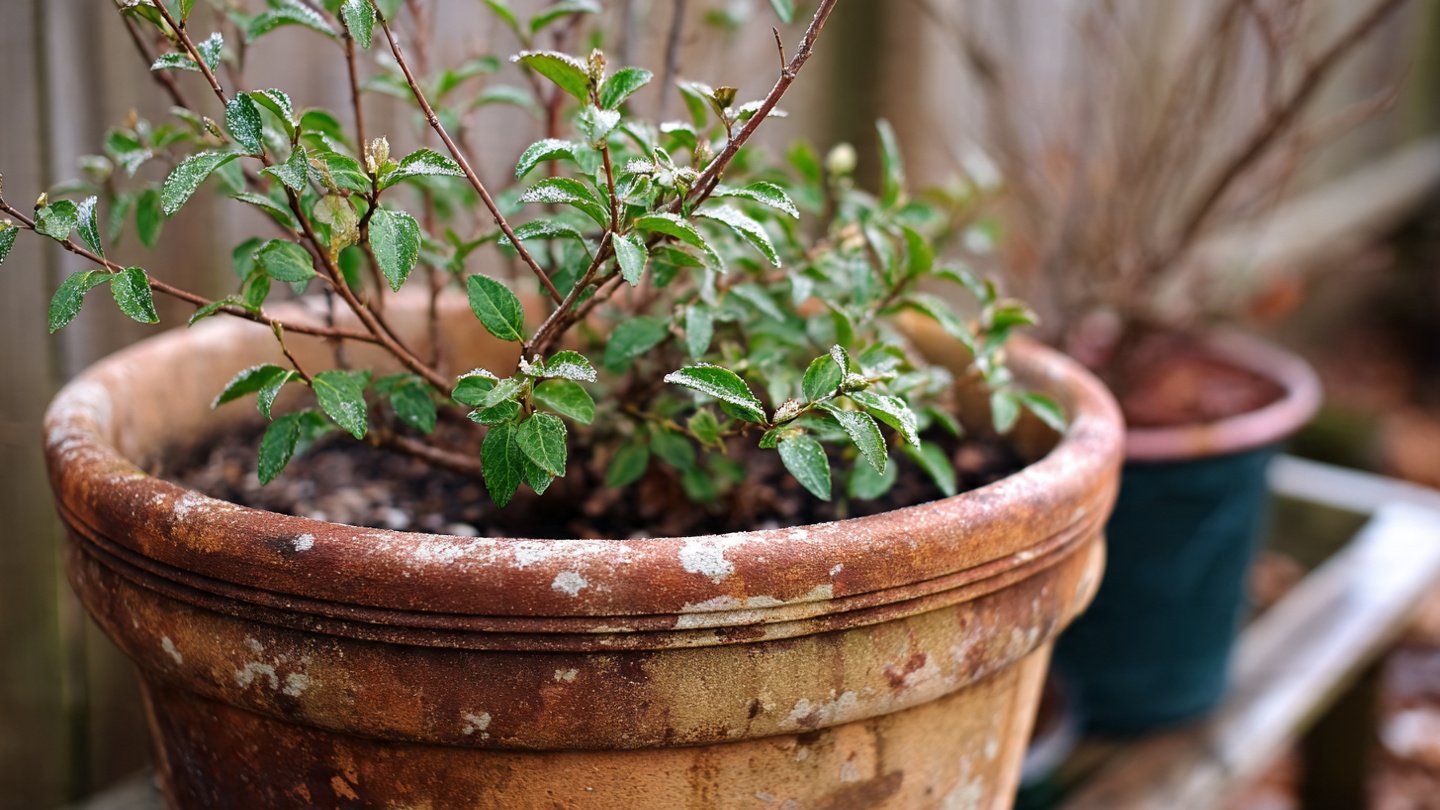
As the chilly months approach, ensuring the health of your potted fruit trees is crucial for optimal growth and productivity in the coming seasons. Winterizing your trees isn’t just about keeping them warm; it’s also about ensuring they have the right conditions to survive and thrive. In this guide, we will discuss effective strategies to winterize your potted fruit trees, covering aspects like location, watering, protection, and more.
Understanding the Need for Winterization
Fruit trees, especially those in pots, are more vulnerable to cold weather than those planted in the ground. Potted trees have limited access to ground heat, making them susceptible to fluctuations in temperature. Winterizing them helps mitigate risks like root freeze, excessive moisture loss, and physical damage from wind or snow.
Steps to Winterize Your Potted Fruit Trees
1. Choose the Right Location
Finding the right spot for your potted fruit trees during winter is vital. Here are some considerations:
- Protect from Wind: Locate your trees in a sheltered area, such as near a wall or fence that can block cold winds.
- Avoid Direct Exposure: While sunlight is important, try to position your trees where they receive indirect sunlight. Too much exposure can lead to rapid temperature changes.
- Insulate the Roots: If possible, place the pots together to create a microclimate, which can help retain warmth.
2. Insulate Your Pots
Insulating the pots helps protect the roots from freezing temperatures. There are several methods to do this:
- Burlap or Fabric Wrap: Wrap the pots in burlap or other insulating fabric. This provides a layer of protection against the cold.
- Padded Covers: Utilize padded materials or old blankets to cover the pots in extreme cold.
- Mulch the Top: Apply a layer of mulch on top of the soil to help insulate the roots and retain moisture.
3. Monitor Watering Needs
Water needs can change during winter. As temperatures drop, the uptake of water by your trees also slows down. However, it’s vital to ensure your trees don’t dry out completely. Here are tips to manage watering:
- Check Soil Moisture: Regularly check the soil moisture level; it should be damp but not waterlogged.
- Water Sparingly: Only water the trees when the top inch of soil feels dry to the touch.
- Use Room Temperature Water: If you’re watering in winter, use water that’s at room temperature to prevent shock.
4. Prune Your Trees
Pruning is crucial for the health of your potted fruit trees. It helps to facilitate better air circulation and reduces the risk of disease during the dormant season. Here are some guidelines:
- Remove Dead or Diseased Branches: Make clean cuts to remove any damaged parts of the tree.
- Shape the Tree: Gently prune to create an open canopy, which enhances light penetration and air circulation.
- Avoid Heavy Pruning: Prune lightly so as not to stress the tree too much during its dormant phase.
5. Fertilize Wisely
Although winter is not the main growing season, it’s still important to supply your trees with the nutrients they need. Consider the following:
- Slow-Release Fertilizer: If you haven’t fertilized in the fall, consider adding a slow-release fertilizer that provides nutrients throughout the winter months.
- Avoid Over-Fertilization: Excess nutrients can cause new growth that is more susceptible to cold damage.
- Check Established Needs: Consider the specific nutrient needs of your fruit tree species before fertilizing.
6. Monitor Temperature and Weather Conditions
Keeping an eye on weather forecasts can aid in better winter management for your potted fruit trees. Here are some actions to take:
- Frost Warnings: If severe frost is predicted, take additional measures to protect your trees, such as moving pots indoors temporarily.
- Temperature Extremes: Provide extra insulation during unexpected drops in temperature.
- Cover Your Trees: Use frost cloths or lightweight blankets on particularly cold nights to provide extra warmth.
Conclusion
Winterizing your potted fruit trees is an essential step to ensure their survival and success. By carefully considering their location, providing insulation, managing water and nutrients, and monitoring weather conditions, you can set the stage for optimal growth come spring. Remember, each tree has specific needs, so adjust your winterizing methods accordingly for the best results. With these strategies, your potted fruit trees will be ready to flourish in the warmer months ahead.
FAQs
1. How often should I check on my potted fruit trees during winter?
It is advisable to check once a week for soil moisture and any signs of damage or disease.
2. Can I move my potted trees indoors for winter?
Yes, moving them indoors can provide better protection from extreme temperatures, but ensure they still get adequate light.
3. What should I do if I notice frost damage on my trees?
If you spot frost damage, prune back any affected branches and carefully monitor the tree’s recovery, providing adequate water and nutrients.
4. Are there specific fertilizers recommended for winterization?
Look for a balanced, slow-release fertilizer that is suitable for fruit trees, being mindful not to over-fertilize.