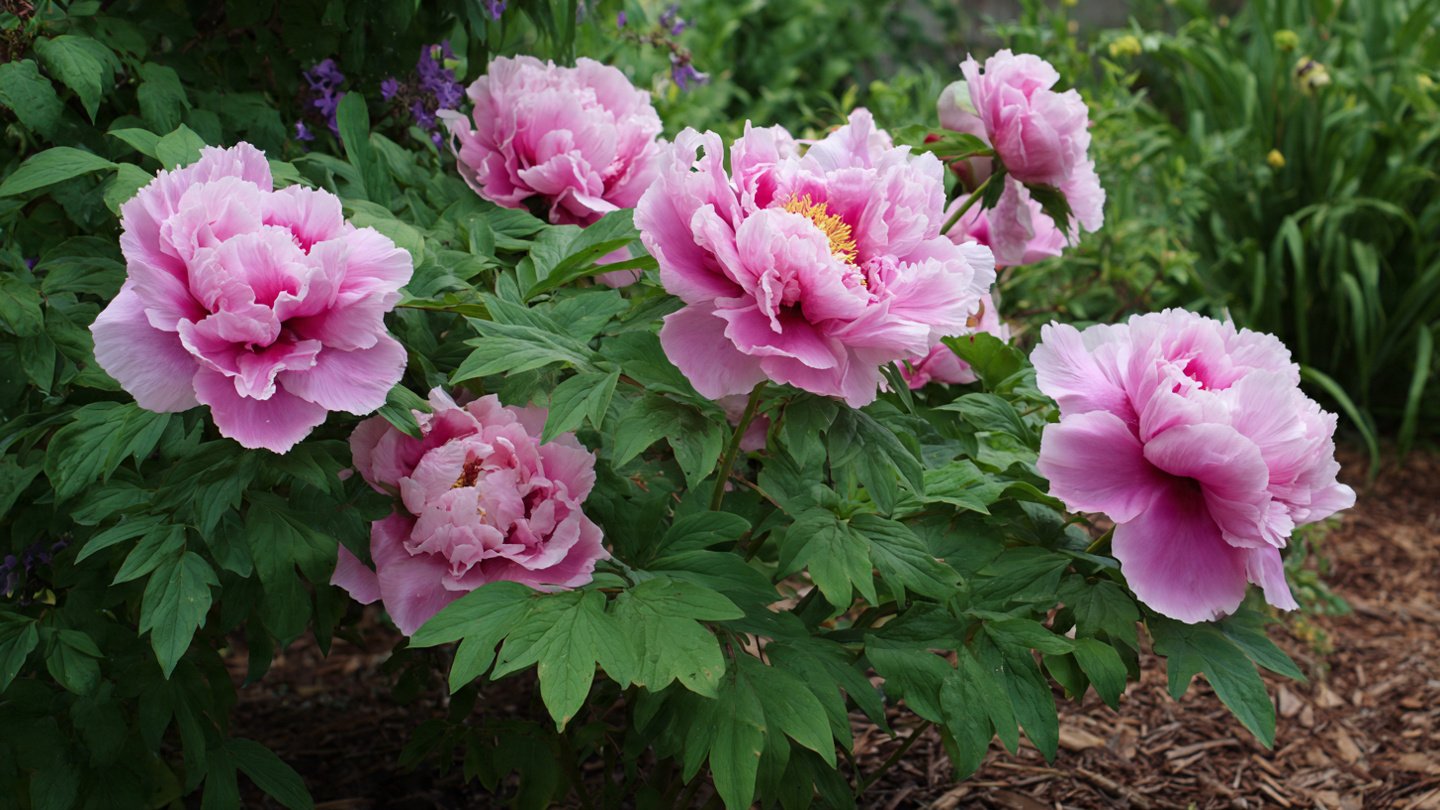
Peonies are beloved for their lush blooms and delightful fragrance. Their robust nature makes them a popular choice among gardeners who want a perennial favorite that comes back year after year. While hybrid techniques can enhance certain characteristics, growing giant peonies naturally is entirely possible by focusing on the right techniques and care. In this article, we will discuss essential strategies for cultivating giant peonies each year without relying on hybrids.
Understanding Peony Varieties
Before diving into the cultivation techniques, it’s vital to know that there are several types of peonies. The two main categories are:
- Herbaceous Peonies: Die back to the ground in winter but regrow in spring.
- Tree Peonies: Woody shrubs that retain their structure year-round and produce large, beautiful blooms.
For those looking to grow giant peonies, the Tree Peony is an excellent option due to its larger blooms and sturdy structure. However, Herbaceous peonies can also achieve impressive sizes with proper care.
Choosing the Right Location
The first step to growing giant peonies is selecting the right location. Peonies thrive in sunny spots with well-draining soil. Here are a few pointers:
- Sunlight: Aim for at least 6–8 hours of direct sunlight daily to promote robust growth.
- Soil Quality: Peonies prefer loamy, nutrient-rich soil. Conduct a soil test to check pH levels; peonies thrive in a slightly alkaline environment (pH 6.0–7.0).
- Drainage: Avoid waterlogged areas. Raised beds or slopes can improve drainage.
Preparing the Soil
Soil preparation is vital for the health and growth of peonies. Follow these steps:
- Clear the Area: Remove weeds and debris where your peonies will be planted.
- Amend the Soil: Incorporate organic matter like compost or well-rotted manure to enrich the soil.
- Aerate the Soil: If the ground is compacted, use a garden fork or tiller to aerate it. This step ensures proper root growth and nutrient absorption.
Planting Techniques
Timing is crucial when planting peonies. The best time to plant peonies is in early fall or spring:
- Fall Planting: This allows the roots to establish before winter.
- Spring Planting: Ensure frost has passed, but soil is still moist.
Follow these planting guidelines:
- Dig a hole approximately 1–2 feet deep and wide.
- Space peonies about 3–4 feet apart to ensure good air circulation.
- Place the tubers in the hole, making sure the eyes (buds) are 1–2 inches below the soil surface.
- Cover with soil and water well.
Pest and Disease Management
Keeping your peonies healthy is essential for achieving giant blooms. Here are some common pests and diseases to be aware of:
- Ants: While they are usually harmless, ants can attract other pests. A simple spray of natural insecticidal soap can help.
- Powdery Mildew: A fungal disease that can affect peonies, especially in humid climates. Ensure good air circulation and consider using fungicidal sprays if necessary.
- Botrytis Blight: Causes the buds to rot. Prune infected areas and maintain appropriate moisture levels.
Regular inspections of your plants will help you catch these issues early.
Watering and Fertilization
Proper watering and fertilization methods can greatly influence the size of your peony blooms:
- Watering: Water deeply but infrequently. Peonies prefer soil that is consistently moist but not waterlogged. They need about 1 inch of water per week.
- Fertilizing: Use a balanced fertilizer in early spring as growth resumes. However, avoid over-fertilizing, which can produce lush foliage but fewer blooms.
Support for Giant Blooms
As peonies grow, some varieties may need staking to support their heavy blooms. Here are some options:
- Natural Supports: Plant them near sturdy plants or structures to provide natural support.
- Using Rings or Stakes: Peony supports can be put in place early in the growing season to provide assistance as blooms develop.
Supporting your peonies will ensure they can fully develop their impressive flowers without drooping or damage.
Seasonal Care
Peonies require different care as the seasons change:
- Spring: Observe new growth and apply fertilizer. Remove any dead foliage from the previous year.
- Summer: Ensure consistent watering and check for pests or diseases.
- Fall: After blooming, deadhead spent flowers and allow the foliage to die back naturally. Mulch around the roots to protect them during winter.
- Winter: In colder climates, consider providing a layer of mulch to protect the roots against frost.
Conclusion
Growing giant peonies each year without hybrid techniques is completely achievable with the right knowledge and care. By selecting the appropriate variety, planting correctly, and providing ongoing maintenance, you can enjoy stunning blooms that add beauty and fragrance to your garden. Remember, patience is key—peonies often take a few years to reach their full blooming potential, but the results are undoubtedly worth the wait.
Frequently Asked Questions (FAQs)
1. How long does it take for peonies to bloom after planting?
Most peonies will bloom within 3 years of planting, but patience is essential as they may take a year or two to establish their roots.
2. Can I grow peonies in pots?
Yes, peonies can be grown in pots, but make sure the pot is large enough (at least 18 inches in diameter) and has proper drainage holes.
3. When is the best time to prune peonies?
Prune peonies in the fall after the leaves have died back. This will help reduce diseases and pests for the next growing season.
4. What is the best fertilizer for peonies?
A balanced fertilizer with equal parts nitrogen, phosphorus, and potassium (like a 10-10-10) is ideal for peonies in spring.
5. Can peonies survive in shady areas?
While peonies can tolerate some shade, they thrive best in full sunlight. Too much shade can lead to fewer blooms and weaker growth.