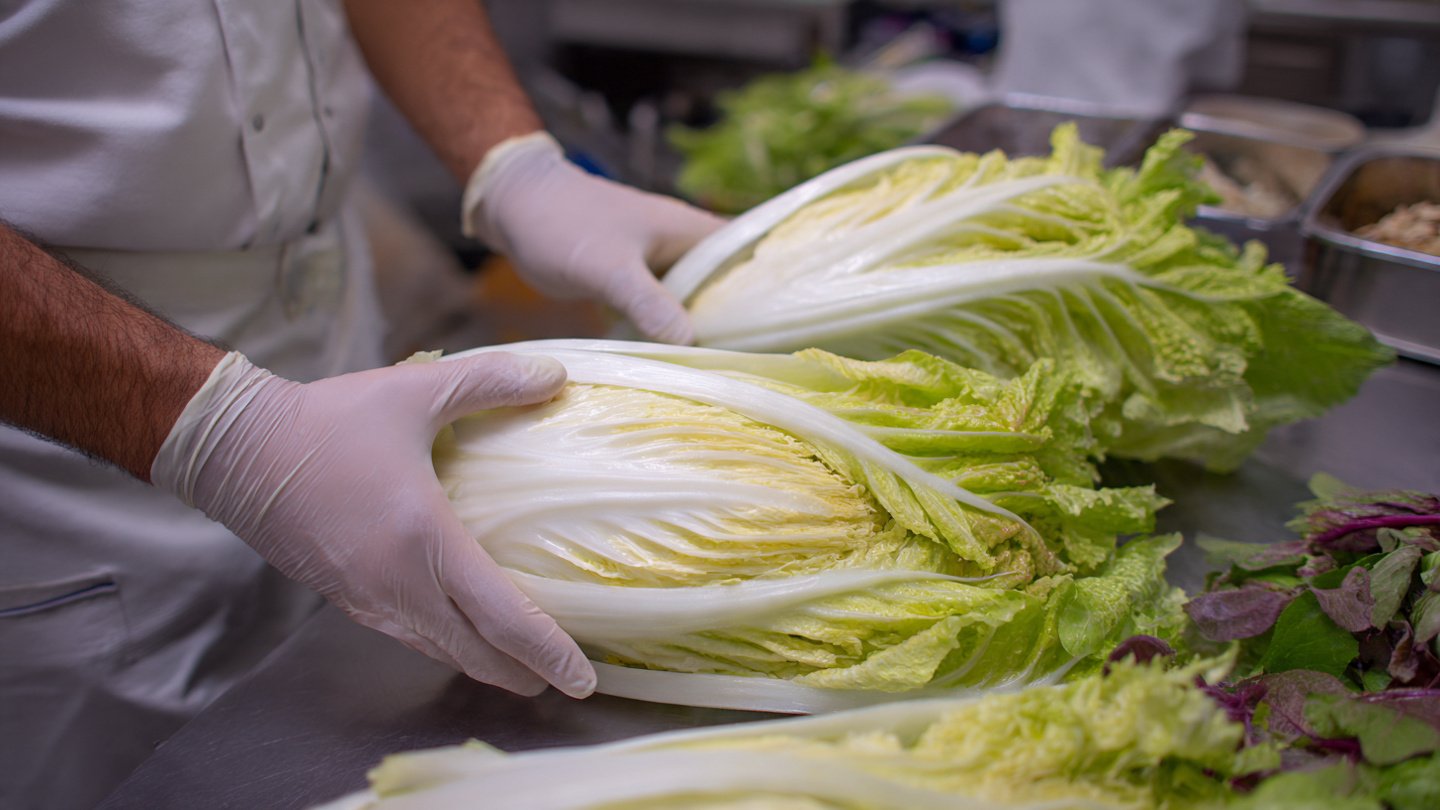
Endive, known for its crisp texture and slightly bitter flavor, has become a sought-after ingredient in culinary creations worldwide. Mastering the art of cultivating giant endive heads can elevate your dishes while showcasing your gardening prowess. This guide will walk you through everything you need to know, from soil preparation to harvesting, and will provide you with culinary inspiration.
Understanding Endive
Endive is a leafy green vegetable belonging to the chicory family. It is characterized by its elongated, tightly packed leaves that can vary in color from pale green to deep burgundy. There are two main varieties: curly endive (frisée) and Belgian endive (witloof). The latter is particularly appreciated for its large, succulent heads, making it an ideal choice for gourmet cooking.
Choosing the Right Variety
When cultivating giant endive heads, choosing the right variety is crucial. Belgian endive is the preferred option due to its size and taste. Look for seeds from reputable suppliers to ensure quality. Some well-known varieties include:
- ’Witloof’: Known for its creamy-white heads with a slightly bitter flavor.
- ’Escarole’: Fringed leaves that offer a robust taste, perfect for salads.
- ’Lutticino’: A loose-leaf variety, it’s easier for beginners.
Soil Preparation
Endive thrives in well-drained, nutrient-rich soil. Here’s how to prepare your soil for optimal growth:
1. Testing Soil pH
Endive prefers a pH between 6.0 and 7.0. Utilize a soil testing kit to determine your soil’s pH and make amendments as needed. Lime can be added to raise the pH, while sulfur can help lower it.
2. Amending Soil
Add organic matter such as compost or well-rotted manure to improve soil structure and fertility. This is vital for growing large endive heads.
3. Tilling
Till the soil to a depth of 12-15 inches. This ensures good aeration and prepares a perfect bed for planting.
Planting Your Endive
Timing is key for planting endive. Follow these steps for successful sowing:
1. Timing
Plant endive seeds in early spring or late summer. Endive prefers cooler temperatures, ideally between 50°F to 70°F (10°C to 20°C).
2. Sowing Seeds
Place seeds about 1/4-inch deep in rows spaced 12 inches apart. Thin seedlings to about 6-8 inches apart once they have reached a few inches in height. This allows for adequate space for growth.
Watering and Maintenance
Proper maintenance will significantly affect the quality of your endive:
1. Watering
Endive requires consistent moisture, especially during dry spells. Water deeply but infrequently to encourage deep root growth.
2. Mulching
Apply a layer of organic mulch around the plants to retain soil moisture, suppress weeds, and regulate soil temperature.
3. Fertilization
Apply a balanced fertilizer every 3-4 weeks. Use a nitrogen-rich fertilizer to promote lush foliage.
Pest and Disease Management
Keeping your crop healthy is essential for producing giant endive heads:
1. Common Pests
Watch out for aphids, slugs, and snails. Use natural pest control methods such as neem oil or hand-picking pests off your plants.
2. Diseases
Endive can be susceptible to issues such as downy mildew or root rot. Ensure adequate spacing for air circulation and avoid overhead watering to mitigate these risks.
Harvesting Your Endive
It’s essential to know when to harvest for maximum flavor and size:
1. Timing
Harvest your endive when the heads are firm to the touch and have reached a size of about 5-7 inches in diameter. This typically occurs about 80 to 100 days after planting.
2. Cutting
Use a sharp knife to cut the heads at the base. Be gentle to avoid bruising the leaves.
3. Post-Harvest Care
After harvesting, remove any damaged leaves and store the endive in a cool, moist environment. They can last for up to two weeks in the refrigerator.
Culinary Creations with Endive
Giant endive heads are incredibly versatile. Here are some exquisite culinary creations to inspire you:
1. Grilled Endive Salad
Grill halved endive heads until charred and tender. Toss with a lemon vinaigrette, toasted walnuts, and goat cheese for a delightful salad.
2. Endive Boats
Use individual leaves as “boats” for seafood salad, chicken salad, or even a delicious dill dip. They provide a crunchy, refreshing bite.
3. Stuffed Endive
Fill blanched endive heads with a mixture of quinoa, roasted vegetables, and feta cheese for a colorful and nutritious dish.
Conclusion
Mastering the art of cultivating giant endive heads requires a combination of proper preparation, care, and creativity. By following the steps detailed in this guide, you can grow healthy, lush endive that serves as a staple in your culinary repertoire. Whether you enjoy them in salads, grilled, or stuffed, giant endive heads are a fantastic addition to any dish, allowing you to impress family and friends with your gardening and cooking skills.
FAQs
1. How long does it take for endive to grow?
Endive typically takes about 80 to 100 days from planting to harvest, depending on the variety and growing conditions.
2. Can endive be grown in containers?
Yes, endive can be grown in containers as long as they have a depth of at least 12 inches and good drainage.
3. What is the best way to store harvested endive?
Store harvested endive in the refrigerator in a plastic bag or sealed container. They can last up to two weeks if kept cool and moist.
4. Are there any companion plants for endive?
Good companion plants for endive include onions, carrots, and herbs like dill and parsley, which help deter pests.
5. Is endive a nutritious vegetable?
Yes, endive is low in calories and high in vitamins A and K, fiber, and antioxidants, making it a healthy addition to your diet.