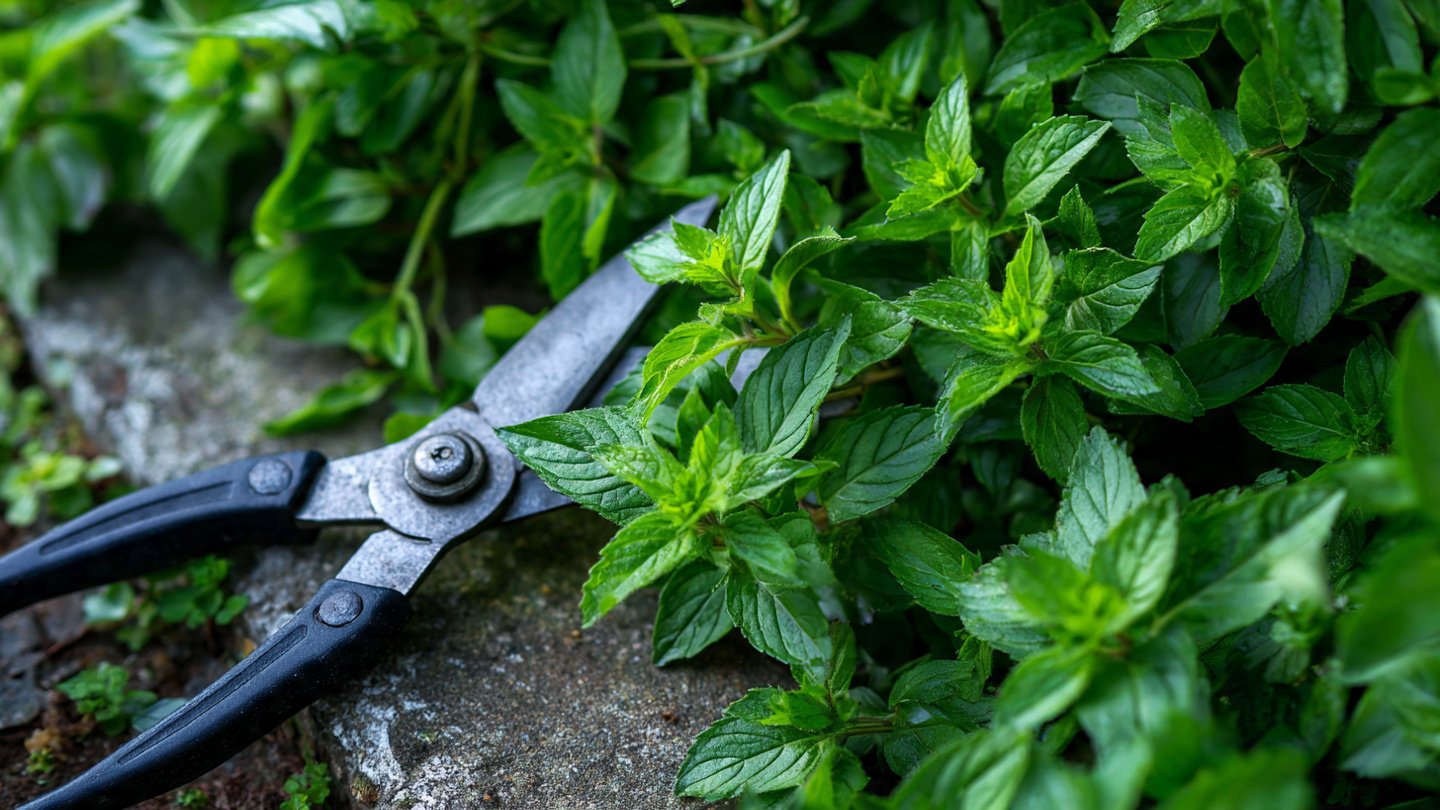
Herb gardening is a delightful and rewarding hobby, providing a fresh supply of aromatic plants that enhance culinary dishes and promote wellness. One of the keys to encouraging robust and bushy growth in herbs lies in effective pruning techniques. Not only does pruning keep plants tidy, but it also stimulates new growth, increases yields, and improves the overall health of your herbs. In this article, we will explore the techniques and benefits of herb pruning, the best times to prune, and tips for specific herbs.
Understanding the Benefits of Pruning Herbs
Pruning is more than just cutting back on your plants; it plays a pivotal role in their growth and development. Here are some reasons why pruning is beneficial:
- Encourages bushy growth: Regularly removing the tips of the branches stimulates lateral growth, leading to a fuller appearance.
- Improves air circulation: Pruning enhances air circulation, which can reduce disease risk and promote healthy growth.
- Enhances flavor: By allowing sunlight and air to reach inner leaves, pruning can intensify the flavor of the herb.
- Prevents flowering: Many herbs, such as basil and mint, prioritize flowering over leaf production. Pruning prevents this and encourages leaf growth instead.
- Promotes rejuvenation: Cutting back older stems allows younger stems to thrive and enables the plant to regenerate.
When to Prune Your Herbs
The timing of your pruning is crucial for ensuring optimal growth. Here are factors to consider when scheduling pruning sessions:
- Before flowering: It’s best to prune before the herbs start to flower. This is typically in late spring or early summer for many herbs.
- During active growth: Pruning during the growing season, when the plants are most vigorous, can yield better results than pruning when plants are dormant.
- Regular maintenance: Regularly trim your herbs every few weeks to maintain their shape and size, encouraging bushy growth.
Pruning Techniques to Promote Bushy Growth
Effective pruning requires the right techniques. Follow these steps to prune your herbs effectively:
1. Choose the Right Tools
Select sharp, clean pruning shears or scissors. This ensures clean cuts that minimize the risk of damage or disease transmission to the plant.
2. Identify the Right Parts to Cut
Focus on trimming back the top set of leaves on a stem. This encourages the plant to send out new growth from the leaf nodes located below the cut.
3. Cut at an Angle
Make cuts at a 45-degree angle just above a leaf node. This helps prevent water from pooling on the cut surface and promotes quicker healing.
4. Prune Selectively
Avoid over-pruning. Aim to remove no more than one-third of the plant at a time. This practice ensures that the plant can recover quickly without undue stress.
5. Deadheading
Remove flower buds as soon as they appear (if you don’t want your herb to go to seed). This encourages the plant to focus its energy on growing new leaves rather than producing flowers.
Specific Herbs and Their Pruning Needs
Different herbs may have varying pruning requirements. Here’s a look at how to approach pruning for some common varieties:
Basil
Basil is known for its bushy growth, which can be enhanced through regular pruning. Trim the tips of the branches regularly, encouraging lateral growth and preventing flowering.
Mint
Mint tends to spread vigorously. Prune back any leggy stems and regularly harvest leaves, which promotes denser growth. Keep its growth in check to prevent it from overtaking your garden.
Oregano
For oregano, pinch back the tops of the plants to encourage bushy growth and prevent them from becoming leggy. Regular trimming is essential for flavor retention.
Thyme
Thyme can be pruned lightly, primarily focusing on removing dead or woody stems. Trim back to promote fresh growth and a bushier appearance.
Post-Pruning Care
After pruning your herbs, proper care can help promote quick recovery:
- Watering: Water your herbs after pruning to prevent stress. Be cautious not to overwater, as this can lead to root rot.
- Fertilizing: Consider a light application of fertilizer to provide nutrients that support healthy growth.
- Sunlight: Ensure your herbs receive adequate sunlight post-pruning to promote photosynthesis and growth.
Conclusion
Pruning your herbs is a simple yet effective way to promote bushy growth and enhance their overall health. By using the right techniques and timing, gardeners can enjoy vibrant herbs that not only look beautiful but are also packed with flavor. Regular maintenance, care, and attention to specific herb needs will lead to a thriving garden full of aromatic delights. Remember, the more you prune, the healthier and bushier your herbs will become!
FAQs
1. How often should I prune my herbs?
It’s best to prune your herbs every 2-4 weeks during the growing season to encourage bushy growth and prevent flowering.
2. Can I prune my herbs too much?
Yes, over-pruning can stress your herbs. Aim to remove no more than one-third of the plant at a time to ensure healthy recovery.
3. What do I do with the cuttings?
You can use the cuttings in your cooking, propagate new plants, or compost them. This minimizes waste and maximizes the benefits of your herb garden.
4. Is it necessary to remove flowers from culinary herbs?
While flowers can be visually appealing, removing them helps focus the plant’s energy on leaf growth, enhancing flavor and yield.
5. What tools do I need for pruning?
A pair of sharp, clean pruning shears or scissors are usually sufficient for most herb pruning tasks.