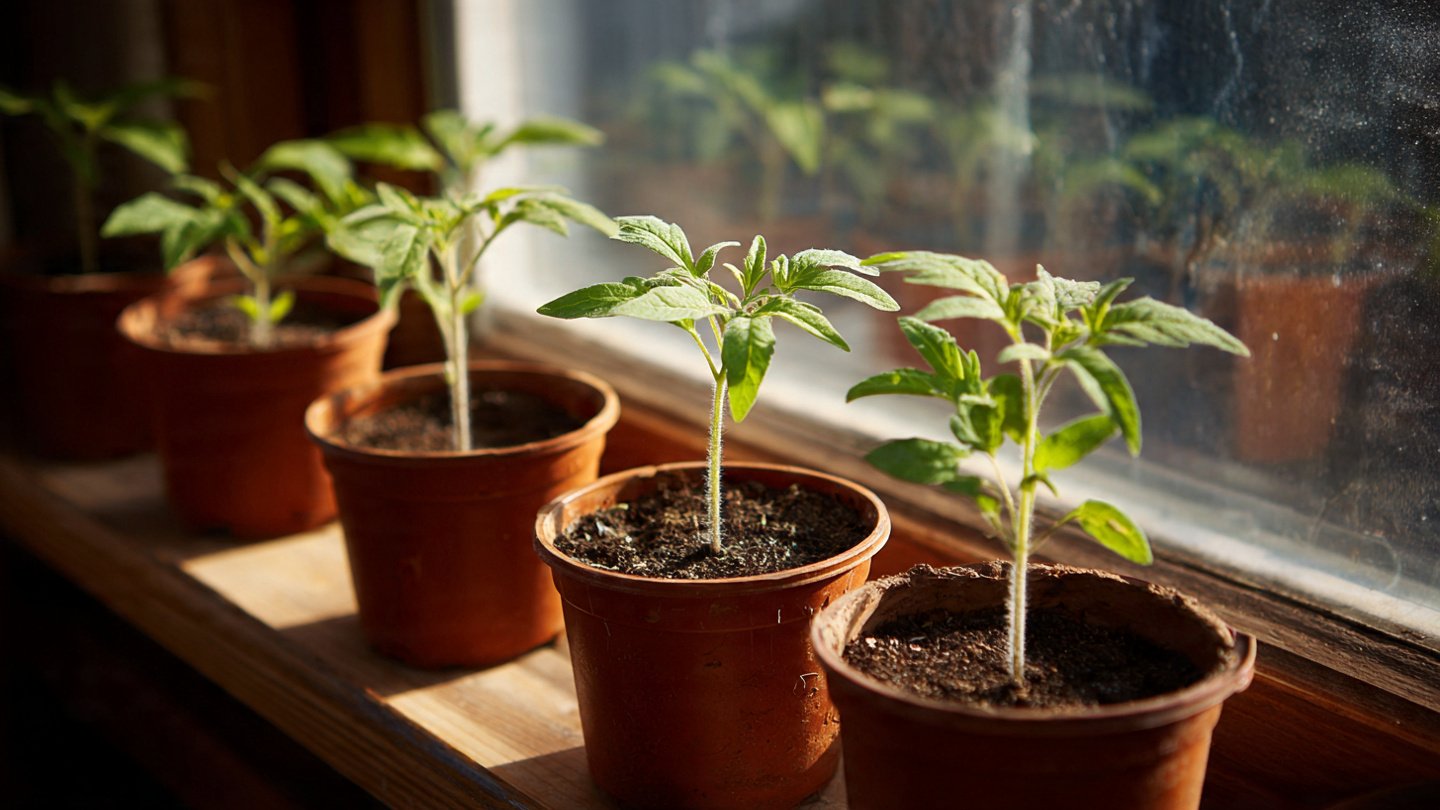
Understanding the Vulnerability of Young Plants
Young propagations, whether they’re seedlings or rooted cuttings, are especially susceptible to environmental stressors, including harsh sunlight. During their early growth stages, plants are establishing roots and foliage, making them more prone to the detrimental effects of excessive sun exposure. Without proper protection, young plants can suffer from sunburn, dehydration, and stunted growth.
Why Sunlight Becomes a Threat
Sunlight is essential for photosynthesis, enabling plants to convert light into energy. However, too much direct sunlight can create a hostile environment for young propagations. Here are some reasons why harsh sunlight can be harmful:
- Heat Stress: Young plants can become overheated, leading to cell damage and wilting.
- Sunburn: Like humans, plants can get sunburned; this typically manifests as bleached or scorched leaves.
- Water Loss: Excess sunlight increases evaporation rates, which can lead to water stress and hinder growth.
- Weakening of Cell Structure: Intense light can weaken the cellular structure, making plants more vulnerable to disease.
Strategies for Shielding Young Plants from Harsh Sunlight
Shielding your young propagations from harsh sunlight is crucial for ensuring their healthy development. Below are effective strategies to protect them:
1. Provide Shade
Creating shade for your young plants is one of the most effective ways to protect them from intense sunlight. You can use:
- Shade Cloth: A lightweight fabric reduces sunlight intensity. It’s available in various fabric densities to provide differing levels of shade, commonly rated from 30% to 90% shade.
- Garden Structures: Use structures like pergolas or trellises to create shaded areas.
- Natural Shade: If possible, plant propagations near larger plants or trees that can provide natural shade.
2. Optimize Watering Practices
Scheduling and managing watering can significantly reduce the impact of sunlight:
- Water Early or Late: Watering during early morning or late evening minimizes evaporation and provides moisture during hot hours.
- Use Mulch: Applying a layer of mulch can retain soil moisture, keep roots cool, and prevent sunlight from directly hitting the soil.
3. Use Containers Strategically
When utilizing pots or containers, you can easily relocate young plants to optimal lighting:
- Mobility: Move pots to areas with filtered light during the hottest part of the day.
- Reflective Surfaces: Position containers on reflective surfaces to scatter light instead of absorbing heat.
4. Monitor Soil Health
Healthy soil aids in retaining moisture and supports root development:
- Organic Matter: Add organic matter to the soil to improve moisture retention.
- Drainage: Ensure proper drainage to prevent waterlogging, which can harm young roots.
5. Gradual Acclimatization
To help young plants adapt to sunlight, a process called acclimatization is essential:
- Transition Period: Introduce young plants to direct sunlight gradually over a period of days or weeks.
- Monitor Progress: Keep an eye on their development to ensure they adjust successfully.
6. Consider Plant Selection
Some plants are inherently more tolerant of sunlight than others. Before starting your propagation:
- Research Plant Varieties: Opt for varieties that are known to thrive in full sun if that’s your environment.
- Diversity: Mix sun-loving and shade-tolerant plants to create a more resilient garden.
Monitoring for Signs of Stress
Regular monitoring allows you to catch any signs of stress before it deteriorates the health of your young plants. Look for:
- Leaf Color Changes: Yellowing or browning of leaves can indicate too much sun exposure or water loss.
- Wilting: Signs of wilting can show the plant is struggling due to dehydration.
- Fungal Diseases: Excessive moisture combined with heat can encourage fungal growth; be vigilant for any unusual spots or shapes on the leaves.
Conclusion
Protecting young propagations from harsh sunlight is essential for their development and long-term health. By implementing effective strategies such as providing shade, optimizing watering practices, using containers wisely, monitoring soil health, and gradually acclimatizing plants to sunlight, you can create an environment where your young plants can thrive. Remember, the early stages of a plant’s life are crucial; the more care you provide during this time, the stronger and healthier your plants will grow.
FAQs
1. How much sunlight should young plants receive?
Young plants typically require indirect sunlight for at least part of the day. A few hours of filtered light is usually beneficial, but always check the specific needs of your plant species.
2. What are the signs of too much sunlight on plants?
Signs of too much sunlight include yellowing leaves, sunburned spots, wilting, and stunted growth.
3. Can I use a greenhouse to shield plants from sunlight?
Yes, greenhouses can provide controlled environments that limit harsh sunlight while allowing for proper air circulation and temperature management.
4. Is it better to water young plants more often in summer?
While it’s important to keep the soil moist, overwatering can be just as detrimental. Watering early or late in the day when temperatures are cooler is generally more beneficial.
5. How often should I monitor my young plants for stress?
Regular monitoring is advisable—daily checks are ideal, especially during the hottest months or when acclimatizing them to new light conditions.