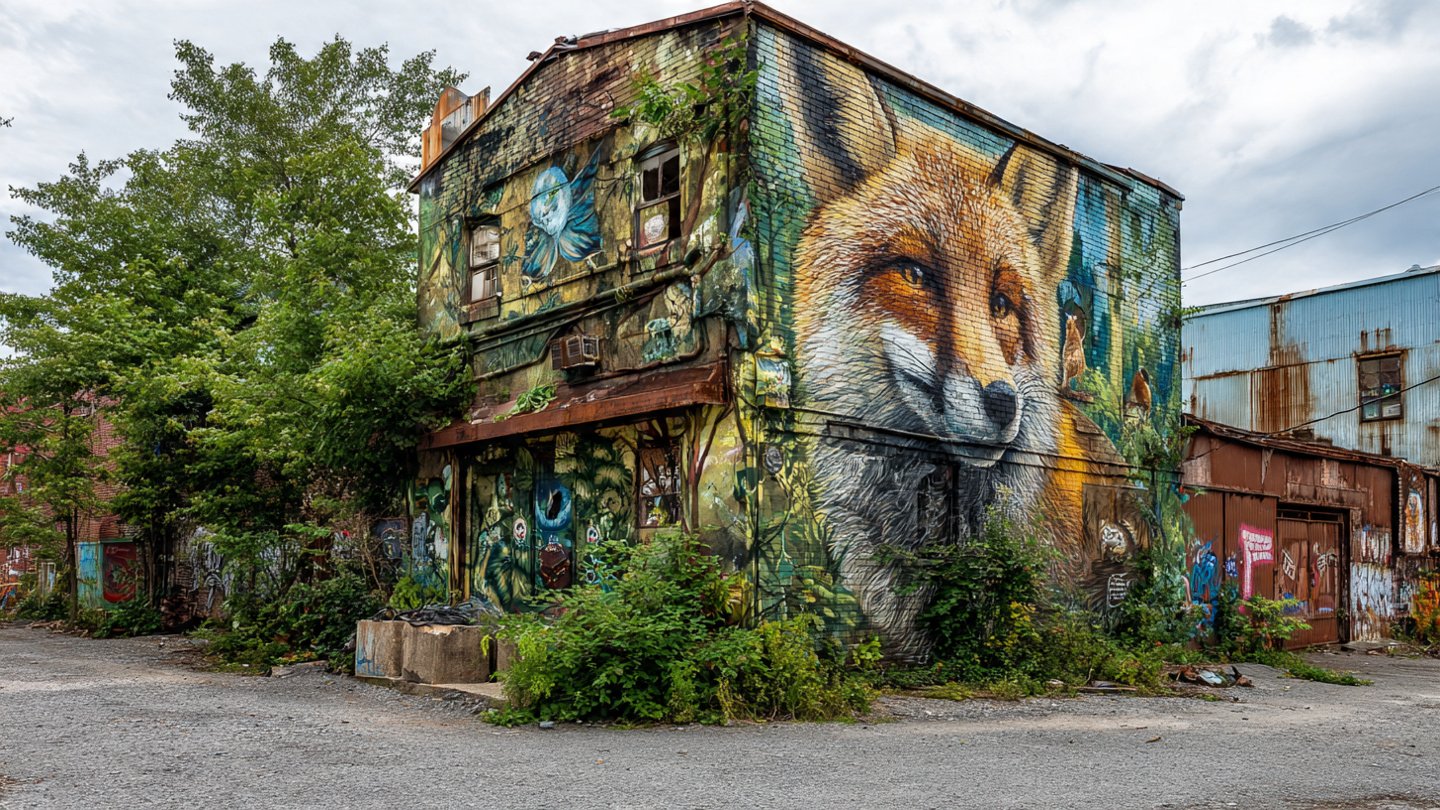
In today’s fast-paced urban environments, the natural world often seems like a distant memory. However, the movement to transform urban spaces into wildlife havens is gaining momentum. By implementing strategic design and thoughtful practices, cities can enhance biodiversity and help restore natural habitats. Below, we explore how urban areas can be reimagined to welcome wildlife and what steps can be taken to create these havens.
The Importance of Biodiversity in Urban Areas
Biodiversity refers to the variety of life in a particular habitat, including species diversity, genetic diversity, and ecosystem diversity. It is essential for ecosystem resilience, which in turn provides crucial services to humans, such as clean air, pollination, and climate regulation. Urban areas, traditionally seen as concrete jungles, can greatly benefit from diverse biological communities.
Steps to Transform Urban Spaces
1. Creating Green Corridors
Green corridors are strips of vegetation that connect different habitats, allowing wildlife to move freely across urban landscapes. These can be old railways, park trails, or even green roofs. Some effective connectors include:
- Parks: Expanding existing parks or creating new green spaces will provide vital habitats.
- Sidewalk Gardens: Planting native plants along sidewalks fosters local biodiversity.
- Tree Canopy: Increasing tree coverage along streets and in neighborhoods helps create a natural habitat for birds and insects.
2. Designing Wildlife-Friendly Gardens
If you’re looking to cultivate wildlife within community spaces, consider promoting biodiversity through beautifully designed gardens. Here are a few key recommendations:
- Native Plants: Opt for plants native to the region, as they are more adaptable and beneficial to local wildlife.
- Variety of Habitats: Incorporate different features, such as low bushes, tall flowers, and water sources.
- Sustainable Practices: Use organic gardening methods to reduce chemicals that can harm wildlife.
3. Incorporating Water Features
Water bodies serve as essential resources for wildlife. Including ponds, rain gardens, or fountains in urban design can attract various species. Key benefits of water features include:
- Habitat Creation: They offer homes for amphibians, birds, and beneficial insects.
- Cooling Effects: Water helps in reducing the urban heat island effect.
- Stormwater Management: Features such as rain gardens can help manage stormwater and reduce flooding.
4. Promoting Vertical Gardening
With limited space in urban areas, vertical gardening presents an innovative solution to create wildlife havens. Vertical gardens can be incorporated into:
- Building Facades: Green walls not only beautify the structures but also provide habitats for birds and insects.
- Balconies and Patios: Homeowners can create habitats in small spaces by utilizing vertical planters.
5. Implementing Urban Wildlife Regulations
Cities can support wildlife by developing regulations that protect natural habitats and encourage sustainable practices. Some suggested regulations include:
- Tree Preservation: Encourage the planting and preservation of trees throughout urban development projects.
- Pollinator Protection Policies: Implement regulations against pesticide use that harm pollinators.
- Incentives for Green Buildings: Provide incentives for installing green roofs and other wildlife-friendly structures.
Community Involvement and Education
Transforming urban spaces into wildlife havens requires collective participation. Community engagement programs can educate citizens about the importance of biodiversity and encourage local stewardship. Organize workshops, volunteer days, and educational events to foster community interest and involvement.
Challenges Faced in Urban Transformation
Transitioning urban spaces into wildlife-friendly areas can be met with various challenges:
- Space Restrictions: Urban density limits the available area for creating wildlife habitats.
- Funding and Resources: Implementing green practices often requires investment and ongoing support.
- Balancing Development and Conservation: Striking a balance between urban growth and ecological preservation can be complex.
Conclusion
Transforming urban spaces into wildlife havens is not only a feasible idea but a necessary one. By investing in green corridors, creating wildlife-friendly gardens, incorporating water features, and utilizing vertical gardens, cities can enhance their biodiversity and promote sustainable living. Community involvement and educational initiatives are pivotal in fostering a culture of stewardship. While the challenges are significant, the potential benefits are even greater. Together, we can create vibrant, thriving urban environments that welcome both people and wildlife.
FAQs
1. How can schools get involved in creating wildlife habitats?
Schools can set up garden clubs, participate in local planting events, or create educational programs centered around wildlife conservation.
2. What specific plants are best for attracting local wildlife?
Plants that are native to your area will generally attract local wildlife. Examples include milkweed for monarch butterflies and sunflowers for birds.
3. Are there grants available for transforming urban spaces?
Yes, many local and national organizations offer grants focused on environmental conservation and urban greening initiatives.
4. How can urban residents contribute to local wildlife conservation?
Residents can adopt sustainable gardening practices, reduce pesticide use, maintain clean outdoor spaces, and support local conservation organizations.
5. What role do urban parks play in wildlife conservation?
Urban parks serve as vital refuges for many species. They provide habitats, food sources, and corridors for wildlife movement.