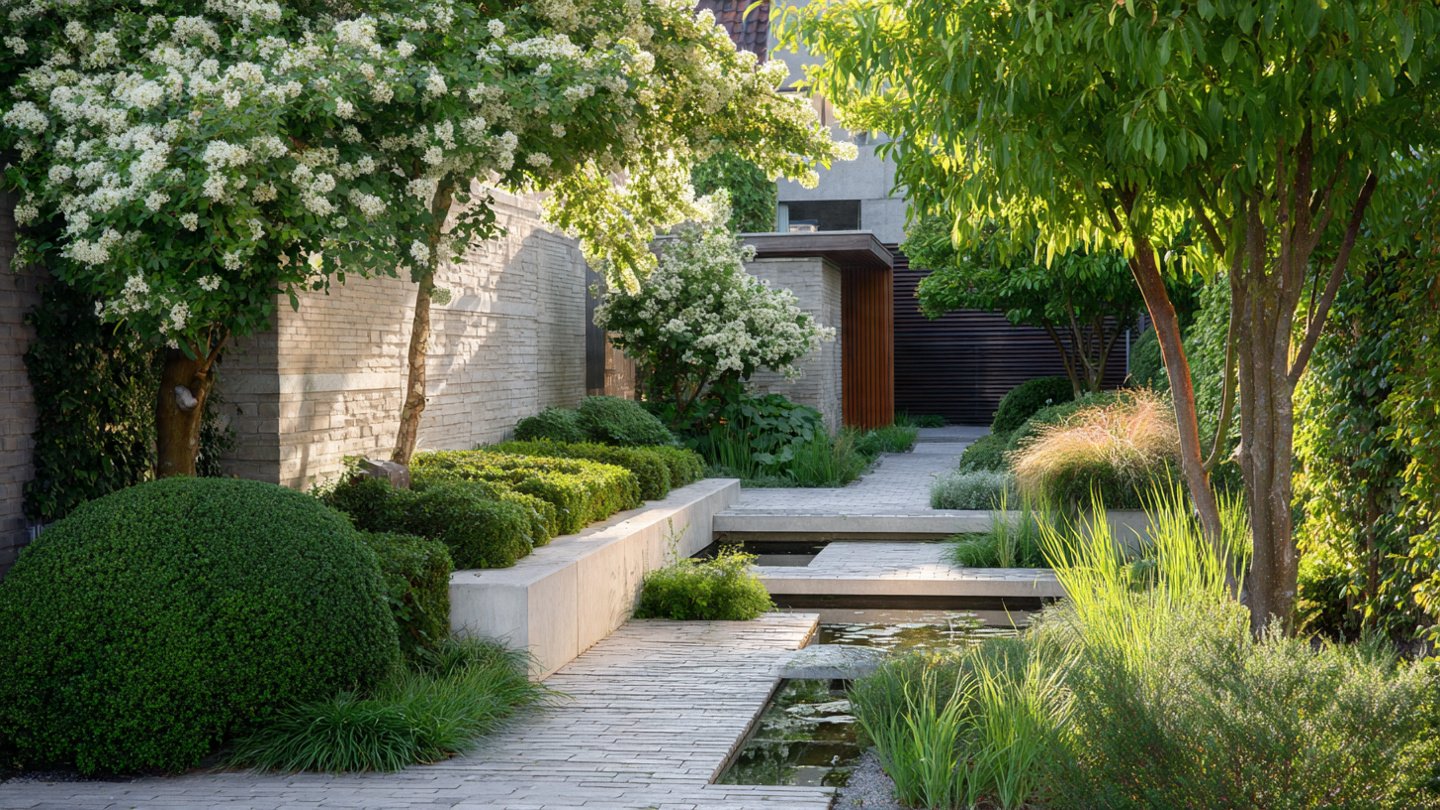
Creating a small garden that exudes elegance and sophistication may seem daunting, but with the right strategies and insights, you can transform your garden into a professional-looking outdoor space. This guide explores essential principles of design, plant selection, layout ideas, and maintenance techniques, ensuring that your small garden not only looks appealing but also functions beautifully.
Understanding Your Space
Before you dive into design and planting, it’s crucial to assess your space carefully.
1. Analyze Your Environment
-
Sunlight Exposure: Observe how sunlight moves across your garden throughout the day. This will help you choose plants that thrive in either full sun, partial shade, or full shade.
-
Soil Quality: Test your soil to understand its pH and nutrient content. This knowledge will guide your plant selection and soil amendment strategies.
-
Climate Considerations: Understanding your local climate, including average rainfall and seasonal temperatures, is vital as it will dictate what plants will thrive in your garden.
2. Define Your Goals
What purpose do you want your garden to serve? Common objectives include:
- A serene space for relaxation
- A productive vegetable and herb garden
- A vibrant flower display for aesthetic appeal
- A wildlife-friendly environment to attract bees and butterflies
Clarifying your goals will inform your design decisions.
Design Principles
Once you’ve assessed your space, it’s time to dive into design principles that can elevate your small garden.
3. Create a Focal Point
A focal point draws the eye and adds interest to your garden. Consider incorporating:
- A striking piece of garden art
- A beautifully designed trellis or archway
- A birdbath or water feature
- A unique plant or tree that stands out
Ensure your focal point is proportionate to your garden size.
4. Utilize Vertical Space
In small gardens, vertical gardening can maximize your space efficiently. Consider:
- Trellises: Use them for climbing plants like clematis, roses, or beans.
- Wall Planters: Wall-mounted pots add greenery and can include herbs or flowers.
- Vertical Gardens: These can consist of a tiered structure or pocket planters that allow for diverse plantings without needing much ground area.
5. Cohesive Color Scheme
Select a color palette that creates harmony within your garden. Consider the following:
- Monochromatic Scheme: Use varying shades of a single color for a sophisticated look.
- Complementary Colors: Choose colors that contrast appealingly—like yellow and purple flowers for vibrancy.
- Seasonal Interest: Plan for year-round appeal with perennial plants, seasonal blooms, and colorful foliage.
6. Layer Your Plantings
Adding layers to your garden creates depth and interest. Start with:
- Tall Plants: Position taller plants at the back or center focal point.
- Mid-height Plants: Fill in around the tall plants with medium-height flowers or shrubs.
- Ground Covers: Use low-growing plants or ground covers at the forefront to frame the garden.
7. Use Hardscaping Wisely
Effective use of hardscaping features can significantly enhance the visual appeal of your garden. Consider:
- Pathways: Incorporate stone, gravel, or pavers to create defined walkways, which can also make your garden feel larger.
- Borders and Edging: Use bricks, wood, or metal to create borders, separating beds from grass or pathways.
- Seating Areas: A small bench or seating arrangement invites relaxation and brings an area together.
Plant Selection
Choosing the right plants is crucial for maintaining a professionally designed look in your garden.
8. Native Plants
Incorporate plants native to your region. They typically require less maintenance and are better suited to your local climate conditions. Not only do they enhance your garden’s aesthetic, but they also support local wildlife.
9. Seasonal Flowers
Select plants that bloom at different times of the year to ensure consistent color and interest.
- Spring: Consider tulips, daffodils, and hyacinths.
- Summer: Opt for zinnias, coneflowers, and daylilies.
- Fall: Include asters and ornamental grasses.
- Winter: Use evergreens and winterberry for structure and color.
10. Mix Textures and Heights
Choose plants with varying textures—smooth ferns juxtaposed with spiky succulents, or leafy hostas alongside ornamental grasses. Mixing heights and textures creates a visually engaging garden.
Maintenance Practices
Even the most beautifully designed garden requires regular care to stay looking its best.
11. Routine Care
Create a maintenance schedule for:
- Watering: Establish a watering routine, adjusting based on rainfall and plant needs.
- Weeding: Regular weeding prevents unwanted plants from competing for resources.
- Deadheading: Removing spent flowers encourages continuous blooming.
12. Mulching
Apply a layer of mulch to suppress weeds, retain moisture, and enhance soil quality. Organic mulches like bark or wood chips also improve aesthetics.
13. Seasonal Pruning
Regularly prune your plants to promote healthy growth, retain shape, and remove dead or diseased foliage. This practice is essential for flowering shrubs and perennial plants.
Creating a Personal Touch
Adding personal elements can imbue your garden with character and make it uniquely yours.
14. Decorative Elements
Incorporate unique decorative features such as:
- Garden Art: Sculptures, wind chimes, or painted stones can add personality.
- DIY Projects: Craft your own planters, birdhouses, or trellis to showcase your creativity.
- Themed Zones: Establish different areas for varying purposes, like a meditation corner or a reading nook.
15. Reflect Your Style
Your garden should mirror your personality. Whether you prefer a cottage-style garden bursting with blooms, a minimalist zen garden, or an eclectic arrangement of plants, let your style shine through.
Conclusion
Transforming your small garden into a space that looks like it was designed by a professional is entirely within reach. By understanding your space, implementing thoughtful design principles, choosing the right plants, and committing to maintenance, you’ll create a garden that is not only visually captivating but equally functional.
Remember, every garden is a work in progress. Embrace experimentation, be patient, and enjoy the journey of cultivating your outdoor sanctuary. With dedication and a little creativity, your small garden can become an oasis of beauty and serenity.