Gardening has evolved from a mere hobby into an essential sustainability practice for many households. As grocery prices continue to rise, the prospect of growing your own food offers a unique opportunity to cut costs while enjoying fresh, nutritious produce right from your backyard. Understanding how a garden can transform your grocery bill requires a closer look at its benefits, planning strategies, and tips for successful cultivation.
At its core, a garden serves as a personal source of food. Imagine stepping outside to harvest ripe tomatoes, crisp lettuce, and fragrant herbs. This self-sufficiency not only reduces your dependence on grocery stores but also grants you control over what you consume. By growing your own food, you can avoid the hidden costs associated with commercial produce—ranging from shipping and packaging to unfair markups.
One of the first steps in reaping these benefits is to plan your garden wisely. Assess your space: do you have a sprawling yard, a tiny balcony, or perhaps a few sunny windowsills? Regardless of size, a garden can still flourish. Container gardening is a fantastic option for those with limited space. Utilizing pots and vertical plans allows you to maximize your growing potential. Additionally, consider using raised beds, which can be filled with nutrient-rich soil, promoting healthier plant growth and reducing the risks of soil-borne pests.
Next, choosing the right crops is crucial to ensuring a fruitful harvest. Opt for vegetables and herbs that you frequently purchase. This approach serves two purposes: saving money and ensuring that you enjoy the fruits (and vegetables) of your labor. Fast-growing plants, such as radishes and lettuce, provide quick returns, while perennials like asparagus and rhubarb will yield crops year after year. Incorporating diverse varieties into your garden not only enhances your meals but also contributes to a more sustainable ecology by attracting beneficial insects and pollinators.
Some gardeners opt for permaculture principles, a philosophy centered around working with nature rather than against it. By creating a self-sustaining ecosystem in your garden, you can reduce the need for artificial fertilizers and pesticides, keeping costs down and promoting healthier soil. Companion planting, which involves growing beneficial plants alongside each other, can naturally deter pests and enhance growth. Incorporating flowers into your vegetable garden can attract pollinators while also adding beauty to the space.
Moreover, investing in soil health is an often-overlooked aspect of gardening that can lead to significant long-term savings. High-quality soil breeds healthy plants that require less water and fewer nutrients over time. Implementing composting practices not only diverts food waste from landfills but also provides a nutrient-rich additive for your garden. This recycling of organic matter not only cuts costs associated with purchasing commercial fertilizers but also enriches the soil, promoting robust plant growth.
Water management plays an essential role in successful gardening. While some regions naturally receive ample rainfall, others may face drought conditions, leading to increased water bills. Implementing efficient watering techniques, such as drip irrigation or rain barrels, can mitigate costs. These techniques ensure that water reaches the plant’s roots directly, minimizing evaporation and runoff. Additionally, mulching around plants creates a protective layer that retains moisture and suppresses weeds.
Timing is everything when it comes to gardening. Planting at the right time ensures that crops reach maturity during their optimal growing season, maximizing yields. Understanding your local climate and the planting calendar can prevent costly blunders. By starting seeds indoors, you can also extend your growing season, providing a continuous supply of fresh produce.
Another cost-saving strategy is to grow food that stores well. Crops like potatoes, carrots, and squash can last several months, allowing you to enjoy the goodness of your garden long after the growing season has ended. Similarly, preserving your harvest through canning, freezing, or dehydrating can significantly reduce your grocery bills. Learning these techniques not only adds variety to your meals but also helps avoid the reliance on store-bought and often pricier preserved goods.
Gardening can also be a community effort. Participating in local gardening clubs or cooperatives encourages knowledge sharing and resource pooling. You might even consider a community garden where members can cultivate plots together. This approach expands your growing potential while also fostering relationships and camaraderie. Sharing harvests not only promotes generosity but can also open doors to new recipes and culinary ideas.
By utilizing these strategies, the initial investment in tools, seeds, and soil amendments can quickly pay off. The cost of seeds is minimal compared to the expense of store-bought organic produce, and as your garden matures, the return on investment becomes more apparent. Some gardeners even save enough to cover their grocery expenses entirely during peak season.
However, it’s essential to manage expectations. Gardening is not without its challenges. Pests, diseases, and unpredictable weather can pose setbacks. Being prepared and responsive can turn these challenges into learning experiences. Maintaining a proactive approach through observation and research can minimize the impact on your garden. Additionally, adopting organic pest control methods, like introducing natural predators or using homemade sprays, can help protect your plants without derailing your budget.
The mental health benefits of gardening are often overlooked, yet they are substantial. Working in nature has been shown to reduce stress, improve mood, and foster a sense of accomplishment. Finding joy in nurturing plants can transform your outlook on spending. This intrinsic happiness can change how you perceive the costs of running a garden. The thermometer of happiness often registers higher than that of monetary expenses. What you gain in mental and physical wellness can far outweigh the initial financial outlay.
As a gardener, you become acutely aware of seasonality and food waste, prompting more mindful consumption. This awareness fosters a culture of gratitude and intentional eating, impacting your choices in grocery stores and influencing your lifestyle dramatically. It can create a feedback loop whereby the knowledge and experience acquired in gardening spill over into conscious consumer habits.
Additionally, a garden contributes to sustainability, which, in turn, can indirectly lower living costs. By nurturing biodiversity and supporting local ecosystems, you’re doing your part to combat the broader issues of climate change and environmental degradation. Reducing your carbon footprint through personal food production aligns with a growing trend towards eco-conscious living, which may save you costs associated with waste management and heating.
Furthermore, consider the educational value a garden provides—especially for families with children. Teaching kids about where food comes from fosters valuable life lessons. It enhances their understanding of nutrition and instills a sense of responsibility and care for the environment. Involving children in gardening can create a lasting interest in healthy eating and sustainable practices, shaping the next generation’s approach to food and consumption.
Ultimately, your garden can become the best-kept secret for cutting grocery costs through careful planning, informed choices, and active participation. By cultivating your own food, you embrace a lifestyle rooted in sustainability and intentional living. The rewards extend beyond financial savings—your family gains access to fresh produce, the satisfaction of hard work, and the knowledge that you’re contributing positively to the environment. As you dig your hands into the soil, you’re not just planting seeds; you’re sowing the foundation for a healthier, more in-tune relationship with food, enabling you to nourish both body and soul.
In today’s fast-paced consumer culture, the garden stands as a symbol of simplicity, a reminder that the most rewarding things in life often come from the earth itself. Investing in a garden today could not only lead to remarkable savings tomorrow but also to a richer, more fulfilling appreciation of the food we eat. Embrace it, and let your garden become a treasured asset—your best secret for cutting grocery costs.
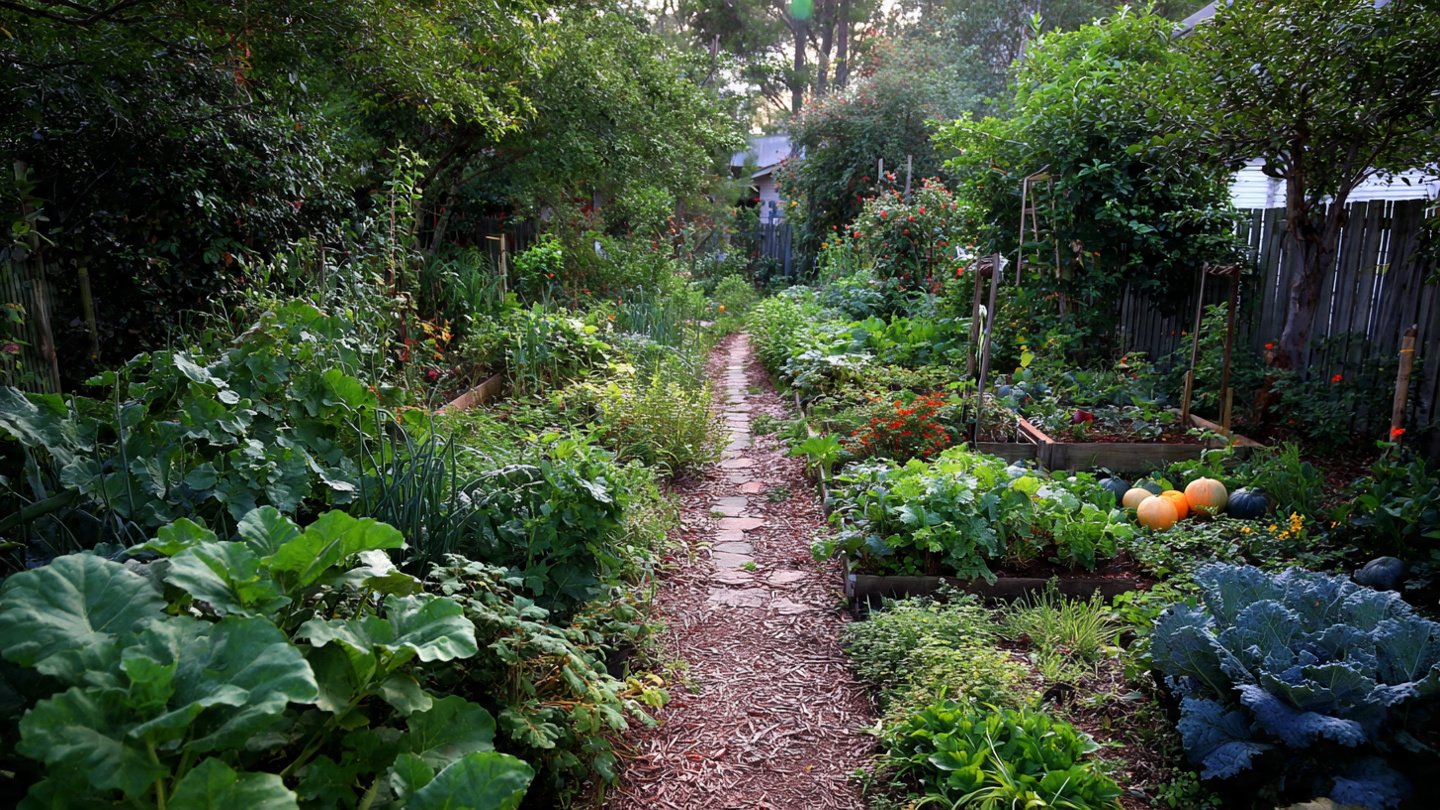
Grow a Garden to Slash Your Grocery Bills
Galaxy A57 5G With Super AMOLED Display
Redmi Turbo 5 Pro Max With 9000mAh Battery
Infinix Slim 5G Smartphone
Infinix 2026 5G Smartphone
Nokia 5G Smartphone With 150MP Camera
Nokia S25 Pro Max Smartphone
Vivo Powerful 5G Smartphone
Vivo Y400 Pro 5G Smartphone
Lava Ultra Luxury 5G Smartphone
Realme GT Series 5G Smartphone
Infinix Latest 5G Smartphone
OnePlus Smartphone With 300MP Camera
Vivo X200 Ultra Smartphone
OnePlus Turbo 6V 5G Smartphone
Motorola 5G Smartphone With 250MP Camera
Realme GT 8 Pro Smartphone
Vivo V50 Lite 5G Smartphone
OnePlus New 5G Smartphone
Samsung Galaxy 5G Smartphone
Vivo New Smartphone With 420MP Camera
Oppo Premium 5G Smartphone
Samsung Galaxy J15 Prime 5G
Vivo Smartphone With 300MP Camera
Vivo Affordable 5G Smartphone
Motorola Affordable 5G Smartphone
Nokia 7380 5G Concept Phone
Tecno Spark 20 Pro 5G
Motorola Premium 2026 5G
Infinix Hot 70 Pro Smartphone
Nokia 2026 5G Smartphone