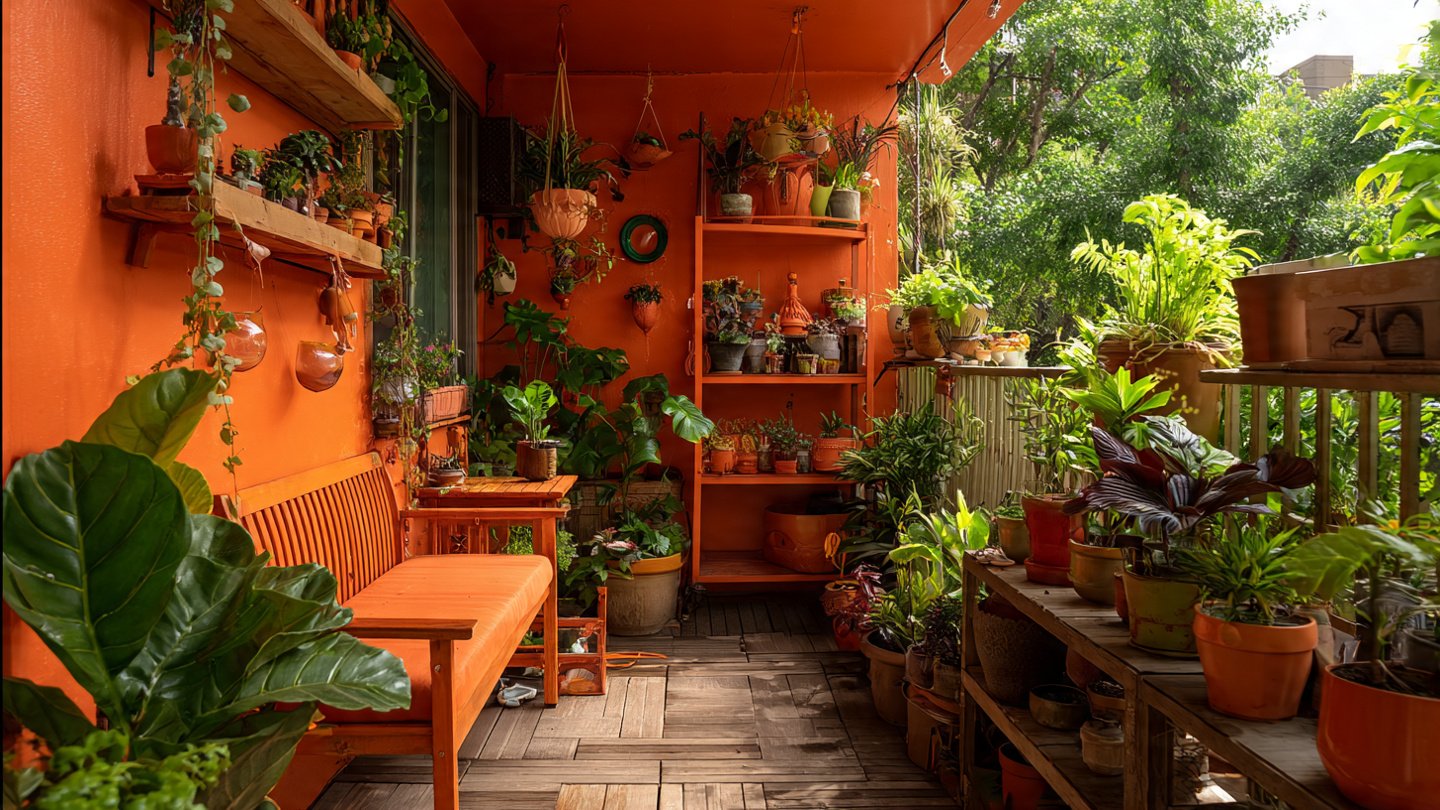
Creating a balcony garden can transform a simple outdoor space into a vibrant oasis of color, fragrance, and life. Among the many possibilities, orange is a color that exudes warmth, energy, and positivity. A balcony adorned with lush orange blooms and foliage can become a serene retreat and an inviting space for relaxation or socializing.
Here’s a comprehensive guide on how to create a lush orange balcony garden, focusing on plant selection, design, care tips, and accessories to help you cultivate a beautiful and vibrant outdoor living area.
1. Understanding Your Space
Before diving into gardening, it’s crucial to evaluate the specifics of your balcony:
Size and Orientation
- Size: Measure the balcony to determine the available space. This will guide your plant and container choices.
- Orientation: Note the direction your balcony faces (north, south, east, or west). A south-facing balcony gets more sunlight, while a north-facing one may be shadier. Understanding sunlight patterns will help you choose the right plants.
Climate Considerations
- Hardiness Zone: Determine your climate zone to select plants that can thrive in your region. Check local regulations and any restrictions on what you can grow.
- Temperature Fluctuations: Consider how wind, heat, and cold may affect your plants. A sheltered balcony may provide better conditions for delicate species.
2. Choosing the Right Plants
When creating a lush orange balcony garden, choose a variety of plants that bloom in shades of orange or have orange foliage. Here are some top picks:
Flowers
- Marigolds: Easy to grow and care for, marigolds bring a bright pop of orange to any space. They also help deter pests, making them great companions for other plants.
- California Poppy: These self-seeding annuals are drought-tolerant, thrive in full sun, and produce vibrant orange blooms all summer long.
- Nasturtiums: With their striking orange flowers, nasturtiums are both beautiful and edible. The leaves and flowers can be used in salads for a peppery kick.
- Orange Geraniums: These perennials offer bright orange hues and require minimal care, perfect for busy gardeners.
- Canary Bird Vine: An annual climbing plant that produces brilliant orange flowers, this vine can easily climb trellises, adding vertical interest to your balcony.
Foliage Plants
- Orange Sunset Canna Lily: With bold stalks and vibrant leaves, canna lilies add a tropical feel to your balcony garden.
- Bamboo: While primarily green, certain varieties of bamboo have orange stems that can provide a unique textural element.
Herbs and Edibles
- Orange Mint: This fragrant herb adds a unique flavor to drinks and dishes and has hints of orange aroma.
- Sweet Potatoes: While not solely ornamental, the vibrant orange foliage of sweet potato plants can serve as attractive ground cover.
3. Designing Your Layout
Designing your balcony garden involves more than just placing pots. Consider the following:
Planter Choices
- Containers: Use a mix of sizes and shapes to create visual interest. Consider hanging pots, window boxes, and vertical planters for space-saving solutions.
- Materials: Terracotta, ceramic, and wooden planters enhance aesthetics but consider self-watering pots for easier maintenance.
Arrangement
- Layering: Place taller plants at the back and shorter ones at the front, allowing each plant to be visible. Use cascading plants in hanging pots to soften hard edges.
- Color Coordination: While orange is the star, incorporating other complementary colors like yellows and greens can create a cohesive look.
Creating Focal Points
- Central Piece: Consider a larger statement plant or decorative element, like a small water feature or a sculpture, to draw the eye.
- Lighting: Utilize fairy lights or lanterns to enhance ambiance during the evening. Lighting can also highlight specific plants.
4. Planting and Care
Proper planting and ongoing care are critical for a thriving balcony garden.
Soil and Fertilization
- Quality Potting Mix: Use high-quality potting soil tailored for container plants, ensuring it has good drainage and nutrient content.
- Fertilizing: Use a balanced, slow-release fertilizer at planting time. Regular feeding with a diluted liquid fertilizer can promote continual blooming.
Watering
- Consistency: Balcony plants may dry out quickly due to wind and sun exposure. Water deeply but infrequently, allowing the top layer of soil to dry out between waterings.
- Drainage: Ensure containers have drainage holes to prevent water accumulation, which can lead to root rot.
Pruning and Deadheading
- Regular Maintenance: Regularly prune overgrown plants to encourage bushier growth and remove dead leaves. Deadhead flowers to promote new blooms.
5. Seasonal Considerations
Your balcony garden will go through seasonal changes, and planning for these can make all the difference.
Seasonal Color
- Summer: Focus on vibrant blooms. Incorporate both annuals and perennials for continuous color.
- Fall: Replace some summer plants with those that have autumn shades, like ornamental peppers, to maintain a lush appearance.
- Winter: Consider evergreen plants or décor like pine cones and holiday lights to keep your space alive during the colder months.
6. Adding Accessories and Furniture
Finally, enhance your balcony garden experience with the right accessories and furniture.
Furniture
- Seating: Invest in comfortable furniture that fits your style, whether it’s a small bistro table or cozy lounge chairs.
- Shade Options: Consider umbrellas, awnings, or outdoor curtains for shade and privacy.
Accessories
- Decorative Pots: Unique pots can serve as decorative accents while complementing your orange theme.
- Garden Decor: Include whimsical pieces, like birdhouses, wind chimes, or sculptures, to add personality.
- Textiles: Use outdoor cushions and rugs in complementary colors to enhance comfort.
7. Sustainability Practices
Creating a lush balcony garden doesn’t have to come at an environmental cost. Consider sustainable practices:
Water Conservation
- Rainwater Harvesting: Use rain barrels or drip irrigation systems to collect and use rainwater for your plants.
- Mulching: Organic mulch can help retain moisture in the soil, reducing the need for frequent watering.
Organic Gardening
- Pesticides: Opt for organic methods of pest control, such as neem oil or insecticidal soap, to keep your plants healthy while being environmentally friendly.
Recyclable Materials
- Upcycled Planters: Turn old containers, cans, or pallets into charming planters for a unique touch.
8. Enjoying Your Garden
Once your orange balcony garden is established, make space for enjoyment:
Gatherings
- Host Outdoor Gatherings: Invite friends over for a relaxed evening. Decorate with fairy lights and serve seasonal beverages using herbs from your garden.
Personal Retreat
- Relaxation: Set aside time to unwind in your space. Enjoy a cup of tea surrounded by the beauty of your plants and the calming atmosphere of your balcony.
Conclusion
A lush orange balcony garden is an achievable dream that can bring vibrant outdoor living to your home. By carefully selecting plants, designing an inviting space, and practicing proper care, you can create a stunning garden that brings life and color to your outdoor area. Whether it’s a quiet retreat for solitude or a lively gathering space, your balcony can become an essential part of your living experience, enhancing your lifestyle and boosting your well-being. Start planting today and watch your little oasis flourish!