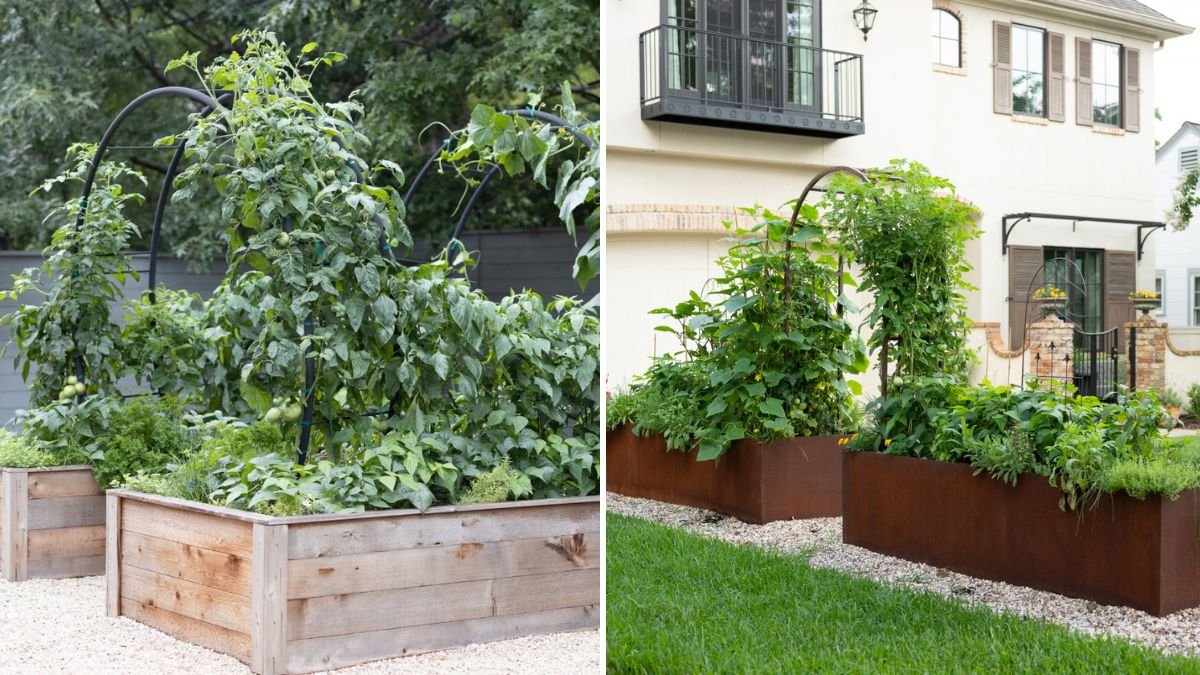
Raised bed gardening is a popular method worldwide. It involves growing plants in elevated soil beds. Raised beds improve drainage and soil quality. They make gardening easier on the back. Plants grow healthier with better root space. Soil stays loose and fertile. Raised beds suit beginners and experts. They provide excellent growing conditions.
What Is a Raised Garden Bed
A raised bed is an enclosed planting area. It is built above ground level. Walls hold soil securely. Beds can be rectangular or square. Height varies depending on need. Raised beds allow soil control. Plants grow without soil compaction. Structure improves plant health.
Benefits of Raised Bed Gardening
Raised beds improve drainage significantly. Soil warms faster in spring. Weeds are easier to control. Plants receive balanced nutrients. Less soil erosion occurs. Garden layout becomes organized. Accessibility improves for gardeners. Raised beds increase yields naturally.
Best Location for Raised Beds
Choose a sunny location. Ensure six to eight hours of sunlight. Avoid low-lying wet areas. Ground should be level. Easy access is important. Nearby water source helps irrigation. Proper placement boosts productivity. Location impacts growth success.
Choosing the Right Size and Height
Bed size depends on available space. Common width is four feet. Length varies as needed. Height ranges from six to eighteen inches. Deeper beds support root crops. Taller beds reduce bending. Size should allow easy reach. Proper dimensions improve maintenance.
Materials for Building Raised Beds
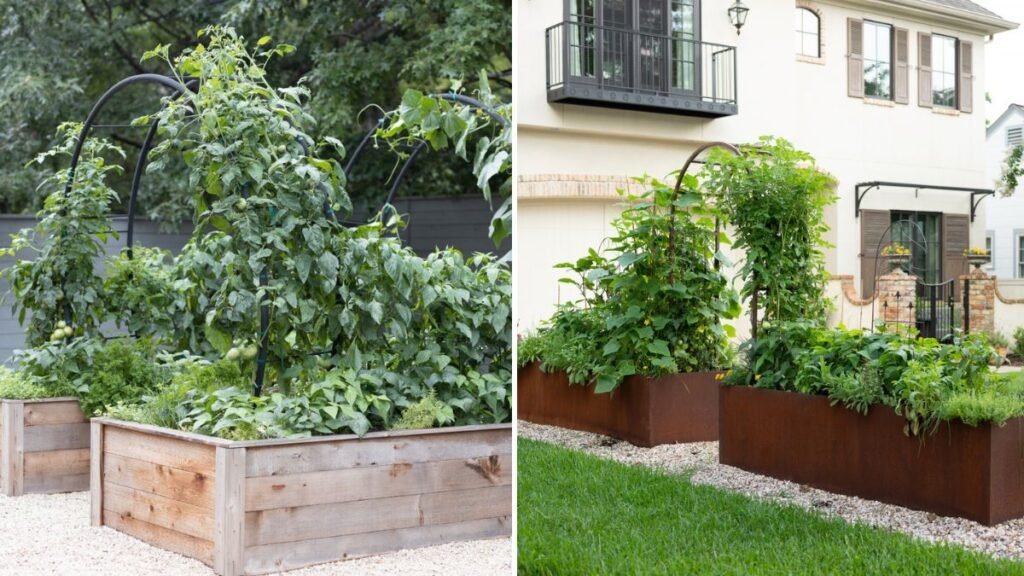
Wood is commonly used. Bricks provide durability. Concrete blocks are long-lasting. Metal beds look modern. Avoid treated wood chemicals. Natural materials are safer. Recycled materials reduce cost. Choose sturdy and safe options.
Step-by-Step Guide to Building a Raised Bed
Start by marking bed area. Level the ground carefully. Assemble frame using screws. Place frame on prepared ground. Secure corners firmly. Fill with soil mixture. Water soil lightly. Raised bed is ready for planting.
Preparing the Soil Mix
Use loose and fertile soil. Combine garden soil and compost. Add coco peat for moisture. Mix in organic manure. Avoid heavy clay soil. Good soil supports root growth. Nutrient-rich mix boosts yield. Soil preparation is crucial.
Drainage Considerations
Good drainage prevents root rot. Do not block bottom of bed. Add gravel layer if needed. Use breathable soil mix. Avoid compacting soil. Proper drainage keeps roots healthy. Raised beds naturally drain better. This is a key advantage.
Planting in Raised Beds
Follow spacing recommendations. Avoid overcrowding plants. Plant seedlings gently. Water after planting. Mulch surface to retain moisture. Raised beds warm quickly. Plants establish faster. Proper planting ensures healthy growth.
Watering Raised Bed Plants
Raised beds dry faster than ground soil. Water deeply and regularly. Morning watering is ideal. Use drip irrigation if possible. Mulching reduces evaporation. Monitor soil moisture often. Consistent watering prevents stress. Balanced hydration is essential.
Fertilizing Raised Bed Gardens
Soil nutrients deplete faster. Add compost every season. Use organic fertilizers. Avoid overfeeding plants. Liquid feeds work well. Fertilize based on crop needs. Healthy soil supports productivity. Regular feeding improves harvest.
Weed Control in Raised Beds
Weeds are easier to manage. Use mulch to suppress growth. Remove weeds early. Avoid bringing weed seeds in soil. Raised height reduces weed invasion. Clean edges help control spread. Weed control saves effort. Maintenance becomes easier.
Crop Rotation and Planning
Rotate crops each season. Avoid planting same family repeatedly. Rotation prevents soil disease. Improves nutrient balance. Plan seasonal crops wisely. Raised beds simplify planning. Organized planting boosts yields. Smart rotation protects soil health.
Pest Management in Raised Beds
Raised beds reduce pest access. Use netting for protection. Handpick pests regularly. Encourage beneficial insects. Avoid chemical pesticides. Healthy soil resists pests naturally. Prevention is better than cure. Organic methods work best.
Seasonal Care and Maintenance
Add compost between seasons. Repair bed edges if needed. Refresh soil annually. Clean debris after harvest. Protect beds during heavy rain. Seasonal care extends lifespan. Well-maintained beds perform better. Simple care gives lasting results.
Common Raised Bed Mistakes
Using poor soil reduces yield. Overcrowding plants causes disease. Ignoring drainage leads to rot. Skipping compost weakens soil. Wrong placement limits sunlight. Avoid treated wood chemicals. Learning mistakes improves success. Planning prevents problems.
Raised Bed Gardening Table
| Aspect | Recommendation | Benefit |
|---|---|---|
| Height | Twelve inches | Better roots |
| Soil | Compost mix | Fertile growth |
| Watering | Regular deep | Healthy plants |
| Mulch | Organic mulch | Moisture retention |
| Rotation | Seasonal | Disease prevention |
Conclusion
Raised bed gardening offers many advantages. It improves soil control and drainage. Plants grow healthier and faster. Maintenance becomes easier. DIY beds save money. Proper planning ensures success. Raised beds suit all gardeners. Start building your raised bed today.