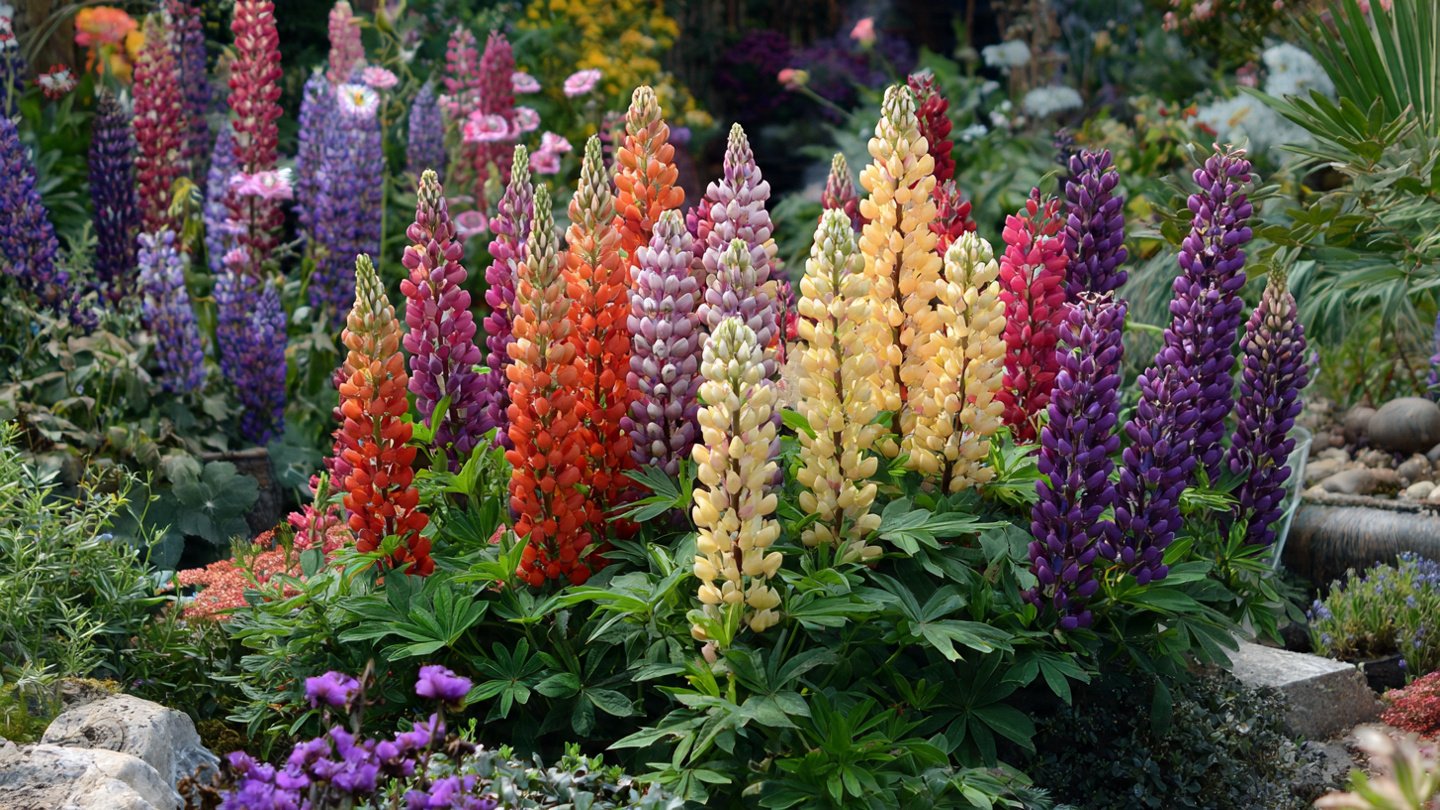
Lupins, with their vibrant spikes of flowers in an array of colors, are a favorite among gardeners for good reason. These perennial plants not only add a stunning visual display to any garden but also attract bees and other pollinators, contributing to a healthy ecosystem. If you’re short on garden space or looking for a creative way to incorporate these beauties into your landscape design, growing lupins in containers is an ideal solution. Here’s a comprehensive guide on how to cultivate stunning lupins in containers—perfect for both seasoned garden enthusiasts and beginners alike.
Understanding Lupins
Types of Lupins
Lupins belong to the legume family, with over 200 species. The most common varieties grown for ornamental purposes are:
- Lupinus polyphyllus (Perennial Lupin): Known for its tall flower spikes and variety of colors.
- Lupinus angustifolius (Narrow-leafed Lupin): Often grown for its culinary seeds.
- Lupinus nanus (Dwarf Lupin): A shorter variety great for small spaces.
Growth Habit and Needs
Lupins thrive in full sun and well-drained soils, thriving in USDA zones 3-8, depending on the species. They are known for their deep taproots, making them drought-tolerant once established. The key to successful container growth is managing their unique growth habits and specific cultural needs.
Selecting the Right Container
Size Matters
Choose a container that is at least 12-15 inches in diameter and depth. Lupins are perennials with a robust root system, and insufficient room can stunt their growth. A larger pot also reduces the frequency of watering and nutrient replenishment.
Material Choices
Common materials for containers include plastic, ceramic, and terracotta. Each has its pros and cons, but ensure that your container has good drainage holes. Terracotta pots, while beautiful, can dry out rapidly; consider using a plastic pot if you’re new to container gardening.
Soil Preparation
Choosing the Right Soil
Opt for a high-quality potting mix that drains well. Regular garden soil is typically too dense for container gardening. Look for potting soil that includes:
- Perlite or Vermiculite: Enhances drainage.
- Peat Moss: Helps retain moisture without becoming waterlogged.
- Compost: Provides essential nutrients.
pH Levels
Lupins prefer slightly acidic to neutral soil (pH 6.0-7.0). You can perform a simple soil test kit available at garden centers to check for pH levels. Adjust the pH using soil amendments such as sulfur (to lower) or lime (to raise).
Planting Lupins in Containers
Timing
The best time to plant lupins is in early spring after the last frost, or in the fall for spring blooming. If you choose to start from seeds, soak them overnight to improve germination rates.
Seed vs. Transplants
While you can start from seeds, purchasing established seedlings from a nursery can provide immediate gratification. If you’re seeding, plant 1-2 seeds in each pot and cover them lightly with soil.
Spacing
If planting multiple lupins in one container, space them appropriately to allow air circulation. Generally, allow 12-18 inches between plants.
Watering and Fertilization
Establishing a Watering Schedule
Containers dry out faster than garden beds, so regular monitoring of soil moisture is essential. Water your lupins deeply and less frequently, allowing the top inch of soil to dry between waterings. Watering in the early morning or late afternoon minimizes evaporation.
Fertilization Techniques
Lupins naturally fix nitrogen in the soil, so they don’t require heavy feeding. Use a balanced organic fertilizer once during the growing season (spring) and avoid over-fertilizing, which can lead to leggy growth and fewer blooms.
Sunlight Requirements
Lupins thrive in full sunlight. Position your containers where they will receive at least 6 hours of direct sunlight each day. If your area is particularly hot, consider providing some afternoon shade to prevent wilting.
Pest and Disease Management
Common Pests
Lupins can attract pests such as aphids, slugs, and snails. Regularly inspect your plants, and if you notice any infestation, use natural insecticidal soap or neem oil. Hand-picking larger pests like slugs can also be effective.
Disease Prevention
To prevent diseases like root rot, ensure your containers have adequate drainage. Also, practicing good hygiene by removing dead leaves and debris can help mitigate potential issues.
Seasonal Care
Winter Preparation
In colder climates, protect your containers during winter. You can either:
- Bring the containers indoors: If feasible, place them in a cool, light space.
- Wrap with burlap: Insulate the pot to prevent freezing.
- Mulch: Use straw or mulch on the soil surface to regulate temperature.
Spring Maintenance
As spring arrives, check for any winter damage and prune dead or damaged stems. Refresh the potting mix and ensure that your lupins are receiving adequate light and moisture.
Propagating Your Lupins
Division
If you have established lupin plants, you can propagate by division. This is best done in the spring. Gently remove the plant from its container, and using a clean, sharp spade, divide the roots into sections, making sure each section has a viable stem.
Seed Collection
Lupins produce seed pods after flowering. Allow these pods to dry on the plant and collect them when they turn brown. Store in a dry, cool location until ready to plant.
Enhancing Aesthetic Appeal
Companion Planting
Consider planting companion plants in the same container to create a more visually appealing arrangement. Great companions include:
- Salvias: Provide contrasting colors and attract pollinators.
- Snapdragons: Offer additional height and blooms.
- Catmint: Fills in space with a contrasting texture and fragrance.
Focal Points
Use lupins as a focal point in your patio or balcony garden. Their tall, upright growth and colorful spikes can be framed by lower-growing flowers or lush foliage for added visual interest.
Conclusion
Growing lupins in containers is a rewarding experience that allows you to enjoy these stunning flowers regardless of space limitations. With the right container, soil, light, and care, you can cultivate a beautiful display of lupins that add charm and vitality to your garden.
This easy hack for gardening enthusiasts combines creativity, knowledge, and practicality, enabling you to embrace the beauty of lupins without the constraints of traditional garden beds. Whether you’re looking to elevate your patio or balcony or simply want to enjoy a splash of color, container-grown lupins are sure to inspire both you and your guests. Happy gardening!