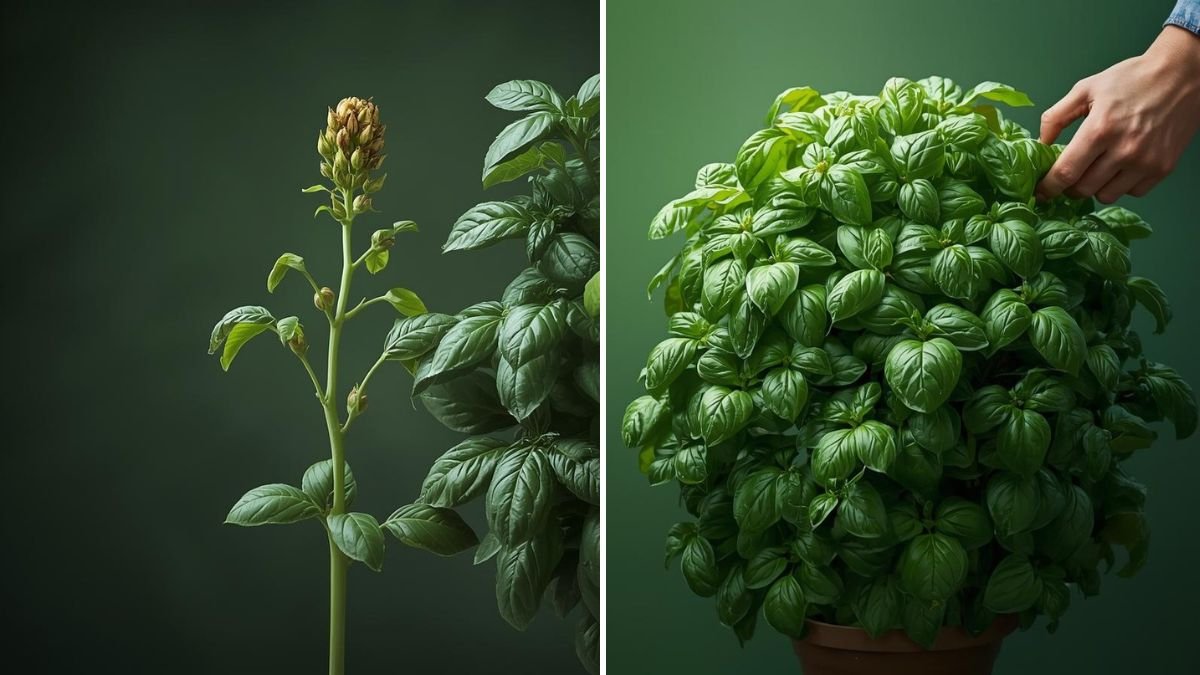
Basil is one of the most popular culinary herbs, valued for its aroma and fresh flavor. Many gardeners harvest basil incorrectly, reducing growth and leaf quality. Cutting basil properly encourages bushy growth and continuous harvest. Incorrect cutting leads to tall, weak plants that flower too early. Understanding where and how to cut basil ensures a steady supply of leaves. Proper pruning also enhances flavor concentration. This guide explains basil cutting techniques step by step. With the right method, basil thrives all season.
Paragraph 1: Understanding Basil Growth Patterns
Basil grows from a central stem with paired leaves. New shoots develop at leaf nodes. Cutting above these nodes stimulates branching. Allowing basil to grow untouched leads to tall, sparse plants. Flowering signals the end of leaf production. Regular cutting delays flowering. Growth structure determines pruning strategy. Understanding growth leads to better harvests.
Paragraph 2: When to Start Cutting Basil
Begin cutting basil once the plant reaches six to eight inches tall. Early harvesting encourages bushy growth. Waiting too long causes weak stems. Young plants respond well to pruning. Never remove more than one-third at once. Early cutting strengthens the plant. Timing determines productivity. Start early for best results.
Paragraph 3: Best Time of Day to Cut Basil
Morning is the ideal time to harvest basil. Essential oils are strongest then. Leaves taste more flavorful. Afternoon heat reduces aroma. Avoid harvesting during rain. Dry leaves store better. Timing enhances flavor quality. Morning harvesting maximizes freshness.
Paragraph 4: How to Identify the Correct Cutting Point
Always cut just above a leaf node. Leaf nodes produce new branches. Cutting above nodes doubles growth points. Avoid cutting too low near soil. Sharp, clean scissors prevent damage. Precise cuts heal faster. Correct cutting points increase yield. Technique matters greatly.
Paragraph 5: Cutting Basil to Encourage Bushy Growth
Regular pruning keeps basil compact. Cutting the main stem promotes side shoots. More branches produce more leaves. Bushy plants resist pests better. Dense foliage improves harvest volume. Continuous cutting prevents flowering. Bushy basil looks healthier. Pruning shapes the plant naturally.
Paragraph 6: How Often Should You Cut Basil
Cut basil every one to two weeks during active growth. Frequent light harvesting works best. Avoid heavy cutting during stress. Warm temperatures support rapid regrowth. Consistency improves production. Regular cutting prevents flowering. Scheduled harvesting ensures supply. Balance is key.
Paragraph 7: Removing Flowers to Extend Leaf Production
Flowering reduces leaf quality. Pinch flower buds as soon as they appear. Removing flowers redirects energy to leaves. Late flowering reduces flavor. Continuous pinching extends the season. Flower removal maintains tenderness. Prevention is better than cure. Act early.
Paragraph 8: Cutting Basil Grown Indoors
Indoor basil grows slower than outdoor plants. Light levels affect cutting frequency. Cut lightly and less often. Rotate plants for even light exposure. Indoor basil benefits from gentle pruning. Avoid overharvesting. Consistent care keeps plants productive. Indoor conditions require patience.
Paragraph 9: Cutting Basil Grown Outdoors
Outdoor basil grows faster and taller. Sunlight increases leaf production. Outdoor plants tolerate heavier pruning. Harvest regularly during summer. Watch for pests while cutting. Proper spacing improves airflow. Outdoor basil rewards frequent cutting. Growth is vigorous.
Paragraph 10: Using the Right Tools for Cutting Basil
Sharp scissors or garden shears are ideal. Avoid tearing stems by hand. Clean tools prevent disease spread. Disinfect blades regularly. Precise cuts heal faster. Proper tools improve plant health. Investing in quality tools helps. Clean cuts matter.
Paragraph 11: Table – Basil Cutting Frequency Guide
| Basil Stage | Cutting Interval | Purpose |
|---|---|---|
| Young plant | Light weekly cuts | Encourage branching |
| Active growth | Every one to two weeks | Continuous harvest |
| Flowering stage | Immediate pinching | Delay blooming |
| Late season | Reduced cutting | Maintain health |
Paragraph 12: Table – Common Basil Cutting Mistakes
| Mistake | Result | Correct Method |
|---|---|---|
| Cutting too low | Slow regrowth | Cut above nodes |
| Rare harvesting | Early flowering | Harvest regularly |
| Dull tools | Stem damage | Use sharp scissors |
| Overharvesting | Plant stress | Remove one-third only |
Paragraph 13: How Cutting Affects Basil Flavor
Regular cutting improves leaf tenderness. Young leaves taste sweeter. Overgrown basil tastes bitter. Cutting prevents woody stems. Fresh growth contains more oils. Flavor intensity improves naturally. Harvest timing matters. Proper cutting enhances culinary value.
Paragraph 14: Combining Cutting with Proper Watering
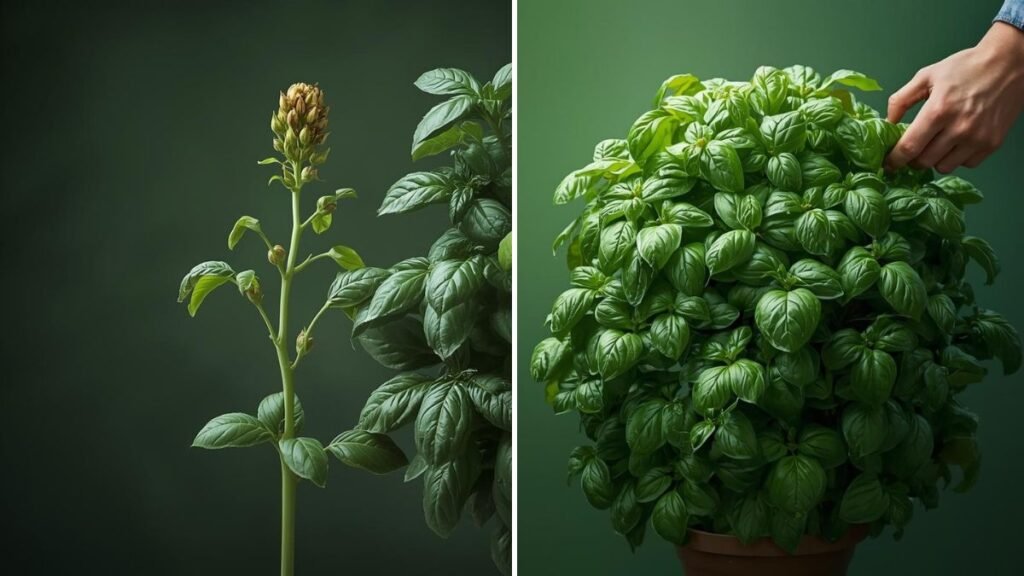
Cut basil after watering, not before. Hydrated plants recover faster. Avoid cutting stressed plants. Consistent watering supports regrowth. Dry soil slows recovery. Balanced care maximizes results. Cutting and watering work together. Synchronization improves yield.
Paragraph 15: Fertilizing After Cutting Basil
Light feeding supports regrowth. Avoid heavy fertilizers. Organic compost works best. Feed every few weeks. Excess fertilizer reduces flavor. Balanced nutrition improves leaf production. Fertilize lightly and wisely. Less is better.
Paragraph 16: Extending the Basil Harvest Season
Regular cutting extends harvest until frost. Indoor relocation helps late season growth. Pinching flowers delays decline. Warm temperatures support continued production. Protect from cold winds. Extended care increases yield. Basil rewards attention. Season extension is achievable.
Paragraph 17: Saving Cut Basil for Later Use
Fresh basil can be refrigerated briefly. Freezing preserves flavor longer. Drying reduces aroma but extends storage. Cut leaves properly before storage. Gentle handling prevents bruising. Proper storage maximizes use. Harvest smartly. Reduce waste.
Paragraph 18: Reviving a Leggy Basil Plant
Leggy basil needs aggressive pruning. Cut back to lower nodes. Remove flowers immediately. Improve light exposure. Water consistently. New growth appears quickly. Basil is resilient. Pruning restores health.
Paragraph 19: Benefits of Proper Basil Cutting
Proper cutting increases yield significantly. Plants live longer. Leaves taste better. Flowering is delayed. Garden space is used efficiently. Basil remains attractive. Continuous supply saves money. Skillful cutting pays off.
Paragraph 20: Final Thoughts on Cutting Basil
Cutting basil correctly transforms the plant. Regular pruning encourages lush growth. Flavor improves with proper technique. Timing and tools matter greatly. Simple habits lead to abundant harvests. Basil thrives with attention. Follow these steps consistently. Enjoy fresh basil all season.