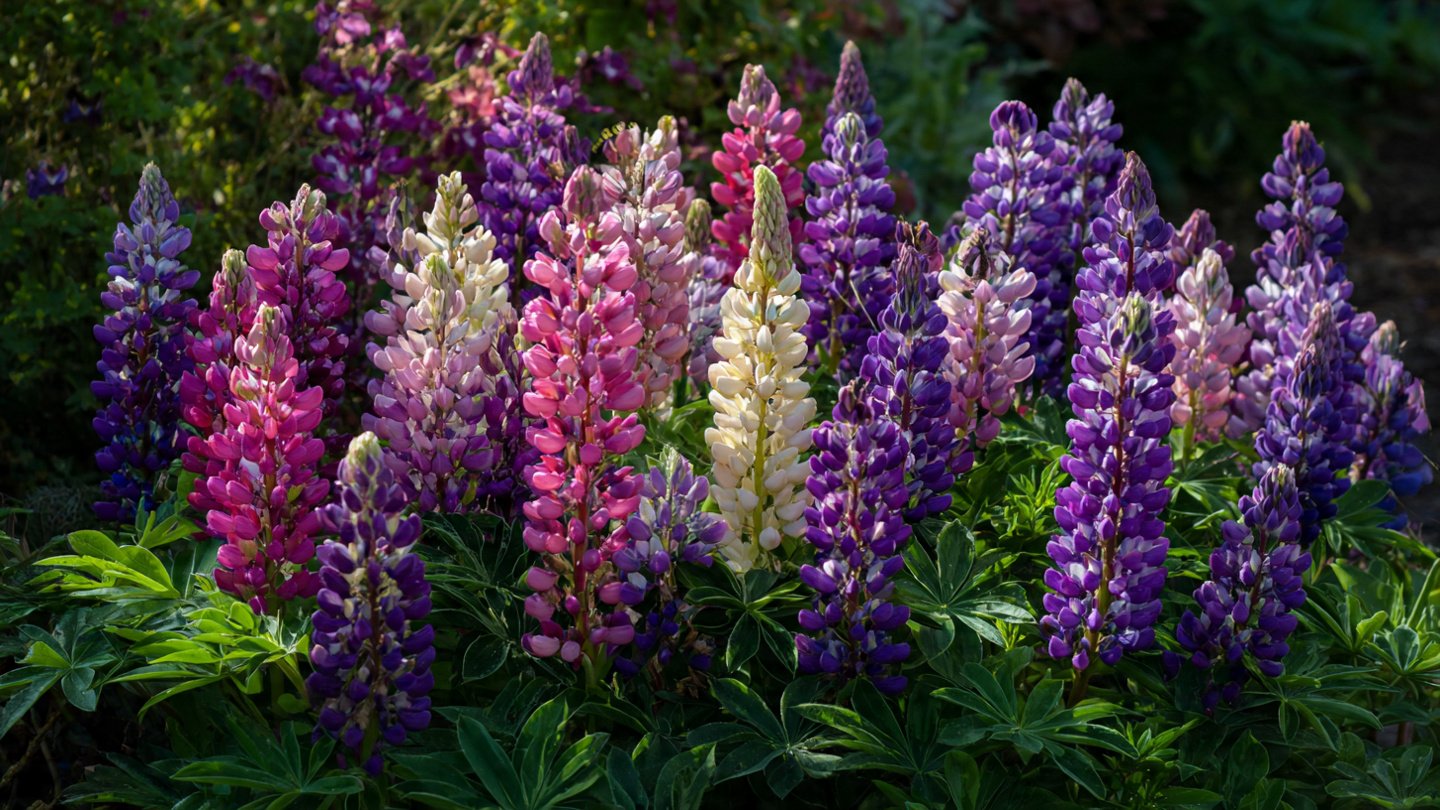
Lupins are beloved garden plants known for their striking, showy flower spikes and vibrant colors. Among the various species and hybrids, the compact variety stands out for its manageable size and lush foliage. If you’re looking to add a touch of charm to your garden while also attracting pollinators, compact lupins are an excellent choice. This guide will help you easily cultivate the compact variety of lupins in your garden.
Understanding Lupins
What Are Lupins?
Lupins belong to the legume family, Fabaceae, and are native to North and South America. They thrive in diverse environments and are particularly celebrated for their ability to enrich the soil through nitrogen-fixing properties. The compact variety typically grows to about 18-24 inches, making them ideal for borders, container gardening, or small garden spaces.
Characteristics of Compact Lupins
- Size: Generally shorter than their traditional relatives, making them suitable for smaller plots.
- Flowering Period: They usually bloom from late spring to early summer, bringing color to gardens when many other plants are still getting established.
- Colors: Available in a range of colors, including blues, purples, yellows, and pinks.
- Foliage: Attractive palmate leaves that remain lush throughout the growing season.
Choosing the Right Location
Sunlight
Lupins thrive in full sun, needing at least 6 hours of direct sunlight daily. Choose a garden spot that receives ample light, as this will encourage abundant flowering.
Soil Type
Lupins prefer well-draining soil with a slightly acidic to neutral pH (around 6.0 to 7.5). Sandy loam is ideal, but they can adapt to various soil types, provided the drainage is adequate. Check the soil quality by digging a small hole and examining its texture and moisture retention.
Drainage
Good drainage is crucial, as overly saturated soil can lead to root rot. If you have heavy clay soil, consider amending it with compost and sand to improve aeration and drainage.
Preparing the Soil
Testing the Soil
Before planting, it’s advisable to test your soil to measure its pH and nutrient levels. Soil testing kits are readily available at garden centers or through local agricultural extensions.
Amending the Soil
Based on the test results, you may need to amend your soil. Here are some tips:
- pH Adjustment: If your soil pH is too low (acidic), add lime. If it’s too high (alkaline), incorporate sulfur or organic matter.
- Fertilization: While lupins are nitrogen-fixers, they still benefit from balanced fertilizers. A slow-release organic fertilizer can help provide the nutrients they need, especially during the early growing stage.
Sowing Seeds
When to Plant
Lupin seeds can be sown directly into the garden in the spring after the last frost, or if you live in a milder climate, you can start seeds indoors 4-6 weeks before the last frost date.
Seed Preparation
Before planting, soak the seeds in water for 24 hours to soften the hard outer coat. This process enhances germination rates.
Planting Seeds
To sow seeds directly:
- Prepare a Furrow: Use a hoe or your hands to create a shallow furrow in prepared soil.
- Spacing: Space seeds about 12 inches apart to allow for proper airflow.
- Depth: Cover seeds with approximately 1 inch of soil.
- Watering: Water the furrows gently to avoid displacing the seeds.
If starting seeds indoors, plant in seed trays with a quality seed-starting mix. Transplant seedlings in the garden after the danger of frost has passed, following the same spacing guidelines.
Caring for Your Compact Lupins
Watering
Lupins require regular watering, especially during dry spells. Water deeply but infrequently to encourage deep root growth. Early morning is the best time to water, as this reduces evaporation and allows foliage to dry.
Mulching
Apply a layer of organic mulch around the base of the plants. Mulch helps retain moisture, suppress weeds, and maintain consistent soil temperatures. Use shredded bark, straw, or compost as mulch, but keep it a few inches away from the plant’s stem.
Pruning and Deadheading
To encourage a longer blooming period, deadhead spent flowers regularly. Use pruning scissors to cut off the flower spikes just above a set of leaves. This practice prevents the plant from going to seed prematurely and encourages further blooming.
Consider light pruning of the foliage to maintain a bushy form, removing any dead or damaged leaves.
Pest and Disease Management
Lupins are relatively hardy but can be susceptible to a few pests and diseases:
- Pests: Look out for aphids and slugs. Use insecticidal soap or organic methods to control these pests.
- Diseases: Fungal diseases like powdery mildew can occur, especially in humid conditions. Ensure good air circulation and avoid overhead watering to minimize disease risk.
Fertilizing Your Lupins
Lupins have lower nutrient needs due to their nitrogen-fixing abilities. However, providing a balanced organic fertilizer during the growing season can promote lush foliage and vibrant blooms. Apply fertilizer according to manufacturer instructions and avoid over-fertilization, which can lead to leafy growth at the expense of flowers.
Harvesting Seeds
If you wish to propagate your lupins, allow some flowers to fade and go to seed. Once the pods turn brown and dry, you can collect the seeds for the next planting season:
- Collecting Seeds: Gently shake the dried pods to release seeds or cut the pods and place them in a paper bag to dry completely.
- Storing Seeds: Keep seeds in a cool, dry place until you are ready to plant. Ensure they are labeled with the date and variety for easy identification.
Companion Planting
Lupins can be excellent companions for various garden plants. Consider pairing them with:
- Dahlias: Their contrasting shapes and heights create visually striking arrangements.
- Salvias: These can attract similar pollinators and thrive under similar conditions.
- Herbs: Plants like rosemary and thyme can compliment lupins and enhance your garden’s biodiversity.
Common Issues and Solutions
Yellowing Leaves
If leaves start turning yellow, it might indicate overwatering or nutrient deficiencies. Ensure proper drainage and check if the plant requires a balanced fertilizer.
Wilting
Wilting can be a sign of insufficient water. Ensure the soil is consistently moist but not soggy.
Stunted Growth
If your lupins aren’t growing well, consider checking soil conditions, such as pH and nutrient levels. Additionally, inspect for pests that may be damaging the roots.
Conclusion
Cultivating compact lupins is not only rewarding but also enhances the beauty of your garden. By paying attention to sunlight, soil preparation, watering, and maintenance, you can ensure these stunning plants thrive and produce vibrant blooms year after year. With the right care and a little patience, your garden will not only attract the eye but also an array of pollinators, making it a lively and dynamic space. Happy gardening!