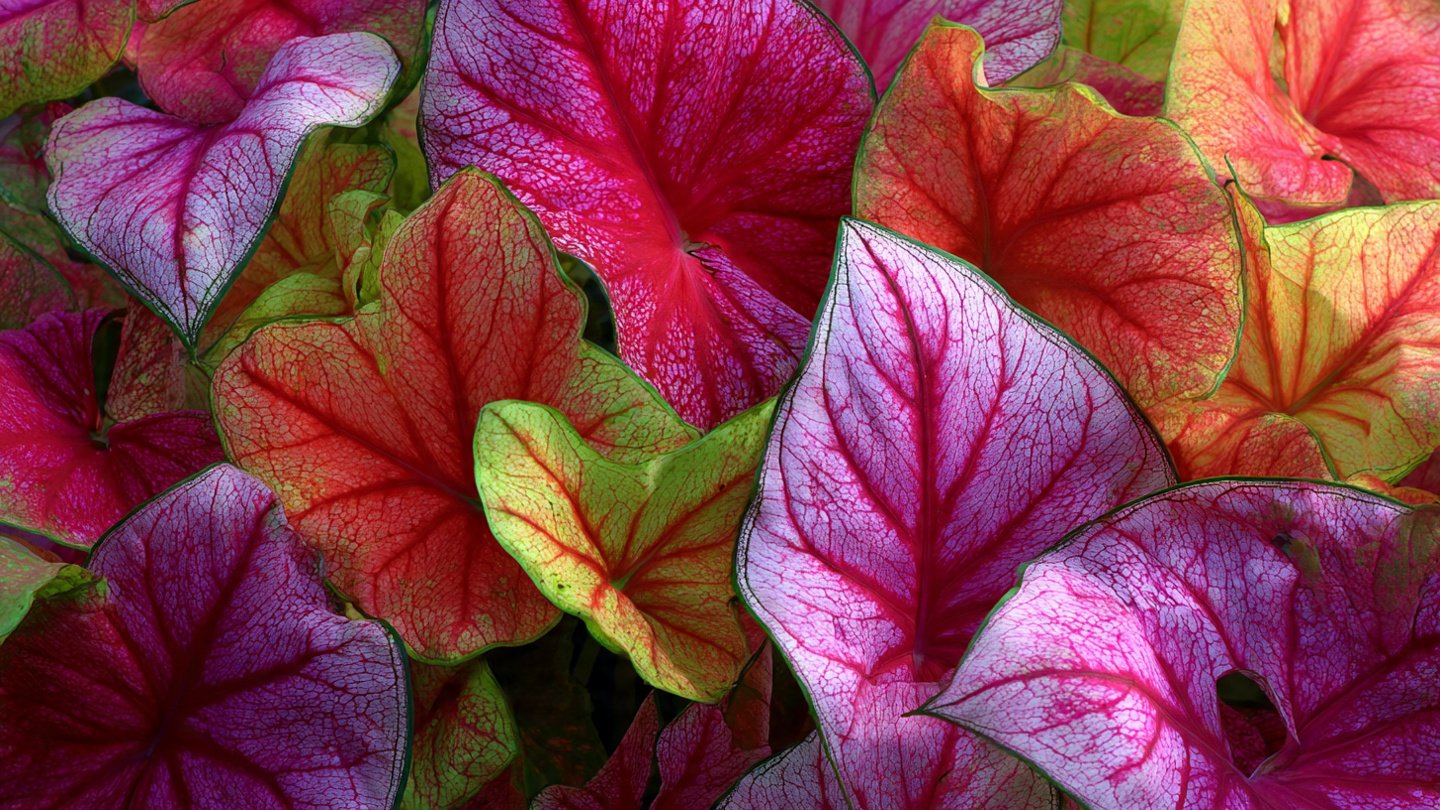
Caladiums are one of the most visually striking plants, known for their dramatic, heart-shaped leaves adorned with vibrant colors and patterns. If you want to add a splash of color to your garden or home, caladiums are an excellent choice. Native to South America, these tropical plants thrive in warm, humid conditions, making them ideal for various gardening enthusiasts. In this article, we’ll explore how to easily grow caladiums and achieve those stunning color patterns.
Understanding Caladiums
Caladiums belong to the family Araceae and are commonly referred to as “elephant ears” because of their large leaves. They come in a range of colors—white, pink, red, and green—and can have intricate patterns that resemble a painter’s palette. The most popular varieties include:
- Fancy-leaf Caladiums: Known for their wide range of color patterns, these have larger, more ornamental leaves.
- Upright Caladiums: These have slender stems and stand tall, making them ideal for creating visual interest in a garden.
Their stunning foliage makes caladiums perfect for borders, containers, and shaded areas in your garden.
Selecting Caladium Varieties
Choosing the right variety is crucial to achieving the spectacular color patterns that caladiums are known for. Here are some popular cultivars you might consider:
- Candidum: Known for its brilliant white leaves with green veins.
- Pink Cloud: A delicate pink shade with green edges.
- Frieda Hemple: Features vibrant red centers surrounded by bright green margins.
- Rose Dancer: Offers a sophisticated blend of pink, white, and green.
When selecting caladiums, take into account their sun exposure preferences, the colors you desire, and your overall garden design.
Preparing to Plant Caladiums
Soil Preparation
Caladiums prefer well-draining, fertile soil. Before planting, assess your garden soil:
- Soil Quality: Enrich your soil with organic matter. Compost, well-rotted manure, or peat moss can enhance drainage and nutrient content.
- pH Level: Aim for a slightly acidic to neutral soil pH ranging from 5.5 to 7.0. You can test the pH using a home testing kit available at garden centers.
Choosing the Right Location
Caladiums thrive in partial to full shade, especially in hotter climates. Look for an area that receives some morning sun but is sheltered from the harsh afternoon rays. They can also be grown indoors near bright, indirect light.
Planting Caladiums
When to Plant
The best time to plant caladiums is after the last frost, usually in late spring. Wait until the soil temperature reaches at least 70°F (21°C) to ensure healthy growth.
How to Plant
- Digging the Holes: Plant caladium tubers approximately 2 inches (5 cm) deep and spaced 12 to 18 inches (30 to 45 cm) apart. This spacing allows them enough room to grow and spread.
- Positioning Tubers: Place the tubers with the “eye” or pointed end facing upward. This is the part that will sprout.
- Covering Gently: After placing the tubers, cover them lightly with soil and water them gently to settle the soil around them.
Caring for Caladiums
Once you’ve planted your caladiums, proper care will encourage healthy growth and vibrant color patterns.
Watering
Caladiums love moisture but can rot if overwatered. Water them regularly, especially during dry spells. A good rule of thumb is to keep the soil consistently moist but not soggy. Using a drip irrigation system can help maintain moisture levels without water pooling.
Fertilizing
Fertilizing caladiums will promote healthier growth and more vibrant leaves. Use a balanced, slow-release fertilizer every 4 to 6 weeks during the growing season. A fertilizer with a ratio such as 10-10-10 or 14-14-14 works well.
Pest and Disease Management
Caladiums are generally hardy but can be susceptible to pests like aphids and spider mites. Here’s how to manage them:
- Inspection: Regularly check for signs of pests on leaves. Early detection can prevent infestations.
- Natural Remedies: Homemade insecticidal soap or neem oil can help combat pests. Spray in the morning or evening to avoid direct sunlight.
- Diseases: Root rot can occur in overly saturated soil conditions. To prevent this, ensure good drainage and avoid overwatering.
Mulching
Applying a 2 to 3-inch layer of mulch around your caladiums can help retain moisture, suppress weeds, and regulate soil temperature.
Harvesting and Storing Caladiums
At the end of the growing season, it’s essential to know how to properly care for your caladiums to ensure they return in the next growing season.
Reducing Watering
As fall approaches, reduce watering. Allow the foliage to yellow and die back. This is a sign that the tubers are preparing for dormancy.
Digging Up Tubers
- Timing: Once the foliage has died back, usually in late fall or early winter, carefully dig up the tubers.
- Cleaning: Brush off excess soil and let them dry for a few hours.
Storing Tubers
Store the cleaned tubers in a cool, dry place. A temperature of around 50°F (10°C) and a humidity level of about 60% is ideal. Placing them in a box lined with peat moss or sawdust can provide an appropriate environment.
Troubleshooting Common Caladium Issues
Even with the best care, you may encounter occasional issues. Here are some common problems and their solutions:
Leaf Yellowing
- Cause: Overwatering or nutrient deficiency.
- Solution: Check soil moisture levels and consider adding fertilizer.
Browning Edges
- Cause: Under-watering or exposure to too much sun.
- Solution: Increase watering and provide shade.
Stunted Growth
- Cause: Poor soil quality or inadequate light.
- Solution: Test soil for nutrients and adjust lighting conditions.
Design Ideas For Your Caladiums
Container Planting
Caladiums thrive in pots, allowing you to create stunning displays on patios or balconies. Mix various colors and patterns for a lively burst of color.
Border Plantings
Use caladiums to outline paths or define garden beds. Their vibrant leaves will create a natural focal point.
Mixed Plantings
Combine caladiums with other shade-loving plants like ferns or hostas. This layering will add texture and enhance the beauty of your garden.
Indoor Display
Bring the vibrancy of caladiums indoors! Use them as statement pieces in bright, indirect light locations.
Conclusion
Growing caladiums is an enjoyable way to add striking color to your garden or home. With simple care and the right conditions, you can enjoy the stunning beauty of these tropical plants. By following the steps outlined in this article, you’ll be well on your way to cultivating caladiums that showcase their remarkable color patterns, transforming your spaces into vibrant oases of greenery and color. Happy gardening!