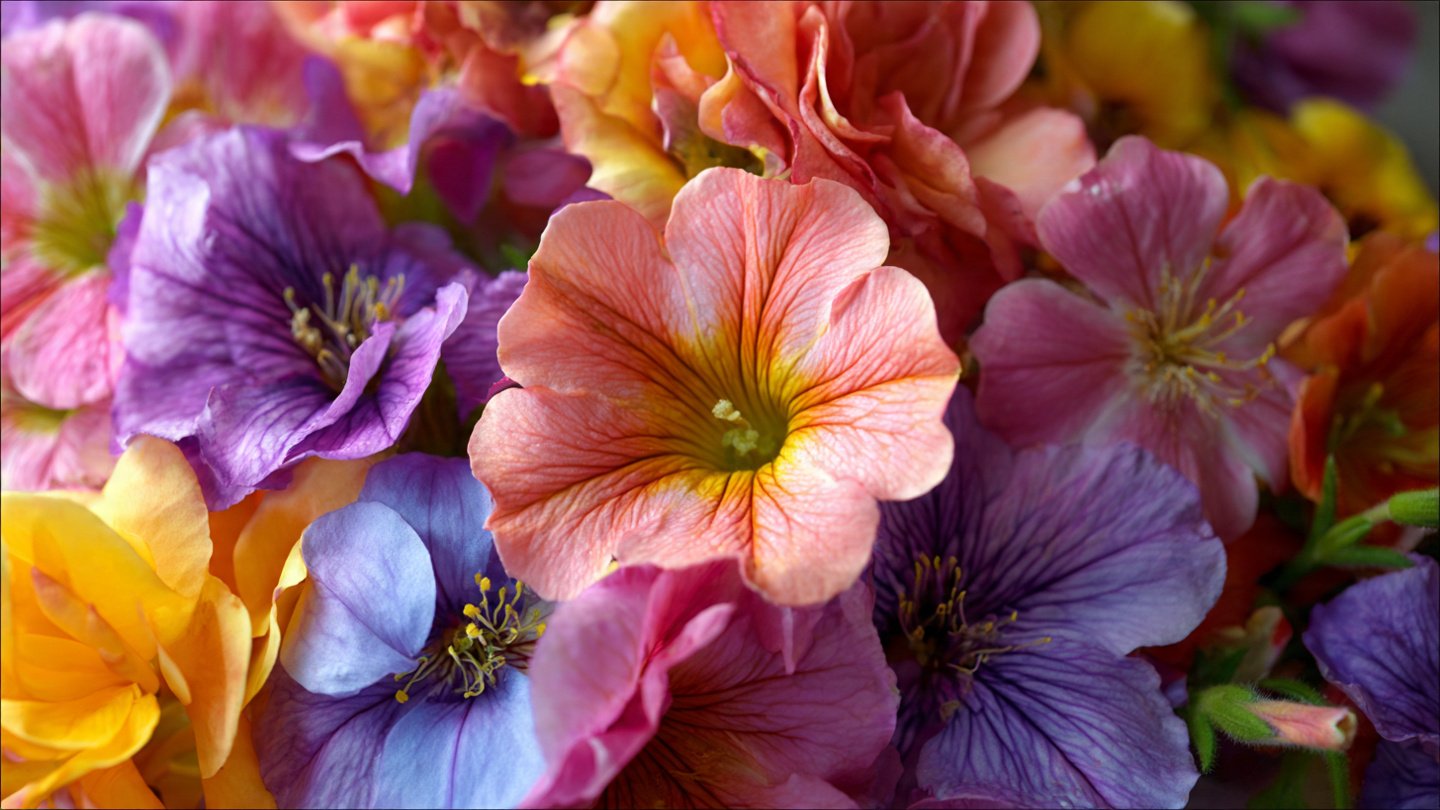
Growing indoor annual flowers can be an incredibly rewarding hobby. With a plethora of colors, shapes, and scents available, these flowers can brighten any room and add a touch of nature to your living space. While indoor gardening might seem intimidating, the process can be simplified with some basic knowledge and understanding. This article will guide you through the easy steps needed to grow stunning indoor annual flowers, providing tips on selection, care, and maintenance.
Understanding Annual Flowers
Before diving into the process, it’s essential to understand what annual flowers are. Annuals are plants that complete their life cycle in one growing season — they germinate, bloom, and die within a year. This characteristic makes them perfect for those looking for rapid bursts of color and the opportunity to experiment with different varieties each season. Common indoor annual flowers include:
- Petunias
- Marigolds
- Zinnias
- Begonias
- Geraniums
Selecting the Right Annuals
Choosing the right flowers is crucial for a successful indoor garden:
-
Lighting Needs: Consider the lighting conditions of your home. Some annuals thrive in bright, direct sunlight, while others prefer partial shade. Here are a few suitable options:
- Bright light: Petunias, Geraniums
- Partial shade: Begonias, Impatiens
-
Size and Space: Consider the available space in your home. Some plants grow tall and require more room, while others remain compact. Select varieties that suit your space comfortably.
-
Growth Period: Some annuals bloom quickly. For instance, Zinnias can start flowering just weeks after germination, while others, like Snapdragons, may take longer.
-
Color and Aesthetics: Annuals come in a spectrum of colors. Choose flowers that complement your home decor or simply colors you love.
Starting Indoors
Seed Selection
Once you’ve chosen your varieties, go ahead and buy seeds or young seedlings from a reputable source. If you opt for seeds, look for those that are labeled as annuals and are suitable for indoor growing.
Soil Preparation
The right soil is vital for healthy growth:
- Potting Mix: Use a high-quality potting mix that retains moisture but allows for adequate drainage.
- pH Levels: Ensure the soil’s pH level is between 6.0 and 7.0 for optimal growth.
Containers
Select containers with drainage holes. This allows excess water to escape and prevents root rot. Plastic pots, ceramic planters, and even recycled containers can work well, provided they have proper drainage.
Planting Indoors
- Seed Germination: For most annuals, start seeds indoors about 6-8 weeks before the last frost date in your area. Fill pots with potting mix and scatter seeds on top, then lightly cover them with more mix.
- Watering: After planting, gently water the soil using a spray bottle to avoid displacing the seeds. Keep the soil moist but not soggy.
- Temperature: Most seeds germinate best at temperatures around 70°F (21°C). A heating mat can help maintain consistent warmth.
Care and Maintenance
Watering
One of the most critical aspects of keeping annual flowers healthy is consistent watering. Here’s how to do it correctly:
- Moisture Levels: Ensure the top inch of soil is dry before watering again.
- Watering Schedule: Typically, this will be every few days, but it may vary based on humidity and temperature. Use room temperature water to avoid shocking the plants.
Fertilizing
Indoor annuals appreciate a boost of nutrients:
- Type of Fertilizer: Use a balanced, water-soluble fertilizer. A 20-20-20 or 10-10-10 ratio is often recommended.
- Timing: Fertilize every 4-6 weeks during the growing season.
Pruning and Pinching
Encouraging bushier growth can be achieved through strategic pruning:
- Pinching: Pinch back the tips of the stems to promote branching, which leads to fuller plants.
- Removing Dead Blooms: Regularly deadhead spent flowers to encourage new blooms and prolong the flowering period.
Pest Control
Indoor plants can sometimes attract pests. Here are some preventive measures:
- Common Pests: Aphids, spider mites, and whiteflies are common nuisances.
- Natural Solutions: Consider using insecticidal soap or neem oil spray for infestations.
- Regular Monitoring: Inspect leaves and stems regularly for any signs of pests.
Adequate Lighting
Indoor annuals need sufficient light:
- Sunlight: Aim for at least 6-8 hours of bright, indirect sunlight each day.
- Grow Lights: If natural light is limited, invest in grow lights. Full-spectrum fluorescent or LED lights can supplement sunlight.
Troubleshooting Common Problems
Despite your best efforts, issues may arise. Here are a few common problems and their solutions:
- Wilting Leaves: This could indicate either under-watering or overwatering. Check soil moisture levels.
- Yellowing Leaves: This can signal nutrient deficiency or overwatering. Test the soil and adjust your watering schedule accordingly.
- Leggy Growth: Insufficient light can cause plants to stretch towards the light source. Move them to a brighter location or adjust your grow lights.
Seasonal Changes
As seasons change, so do your indoor gardening strategies:
- Spring: This is the ideal time to start new seeds indoors. Plan for your summer blooms!
- Summer: Monitor moisture closely as temperatures rise. You may need to water more frequently.
- Fall: Transition from summer plants to fall varieties that can handle cooler indoor temperatures, if desired.
- Winter: Many indoor annuals may slow down or become dormant. Reduce watering and stop fertilizing during this period.
Styling Your Indoor Flower Arrangement
The joy of growing indoor annuals lies not just in their care, but also in their arrangement:
- Group Plantings: Combine different colors and heights for a dynamic display. Taller plants can go in the back with shorter ones in the front.
- Use Furniture: Elevate pots on plant stands or shelves to add dimension to your arrangement.
- Vase Arrangements: Use cut flowers to create stunning vases that can easily change the look of a room. Trim stems to different heights for visual interest.
Harvesting and Enjoying Your Blooms
Once your annual flowers are in full bloom, take the time to enjoy them:
- Creating Bouquets: Harvest flowers frequently to bring a piece of your garden inside. Cut stems at an angle and place them in water promptly.
- Using in Décor: Use flowers in various spaces like tables, countertops, and even bathrooms for a refreshing touch.
Conclusion
Growing stunning indoor annual flowers doesn’t have to be complicated. By choosing the right varieties, providing proper care and maintenance, and combating common problems, you can create an indoor garden that brings color and life into your home. Embrace the beauty of seasonal change and enjoy the satisfaction that comes from nurturing plants from seed to bloom. Happy gardening!