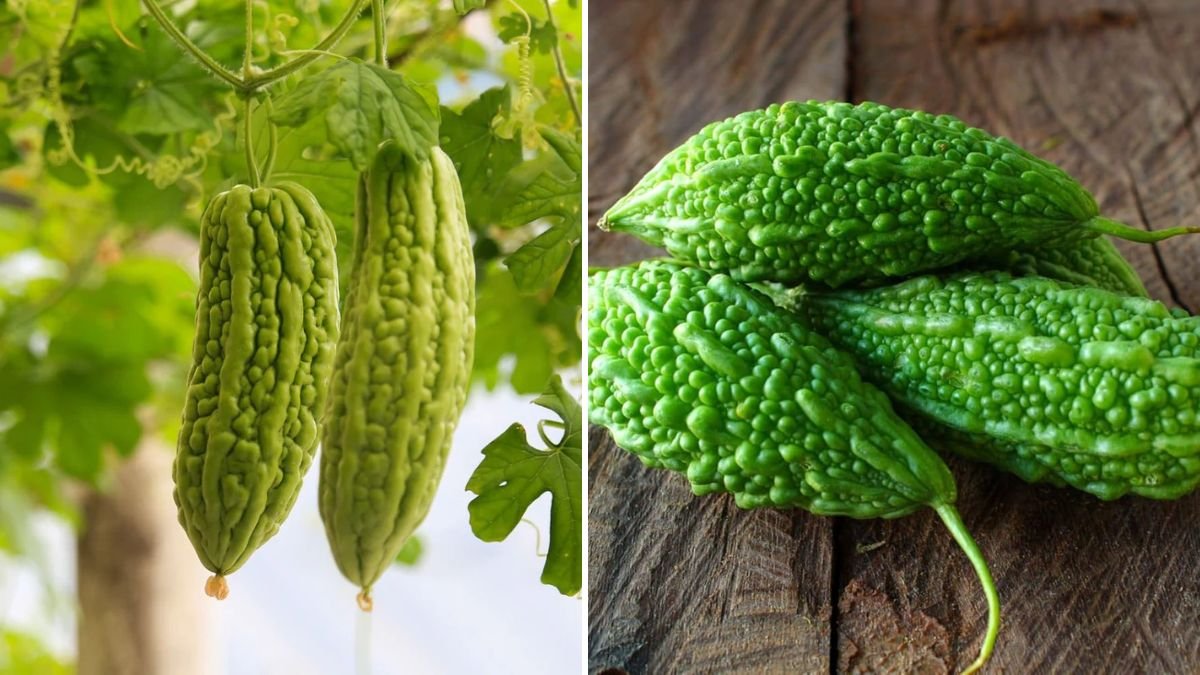
This guide will take you step-by-step through everything you need to know about how to grow bitter gourd, including seed selection, soil preparation, sowing, watering, fertilization, pest management, and harvesting. By following these tips, you can enjoy a thriving home garden full of healthy, juicy bitter gourds.
Why Grow Bitter Gourd at Home?
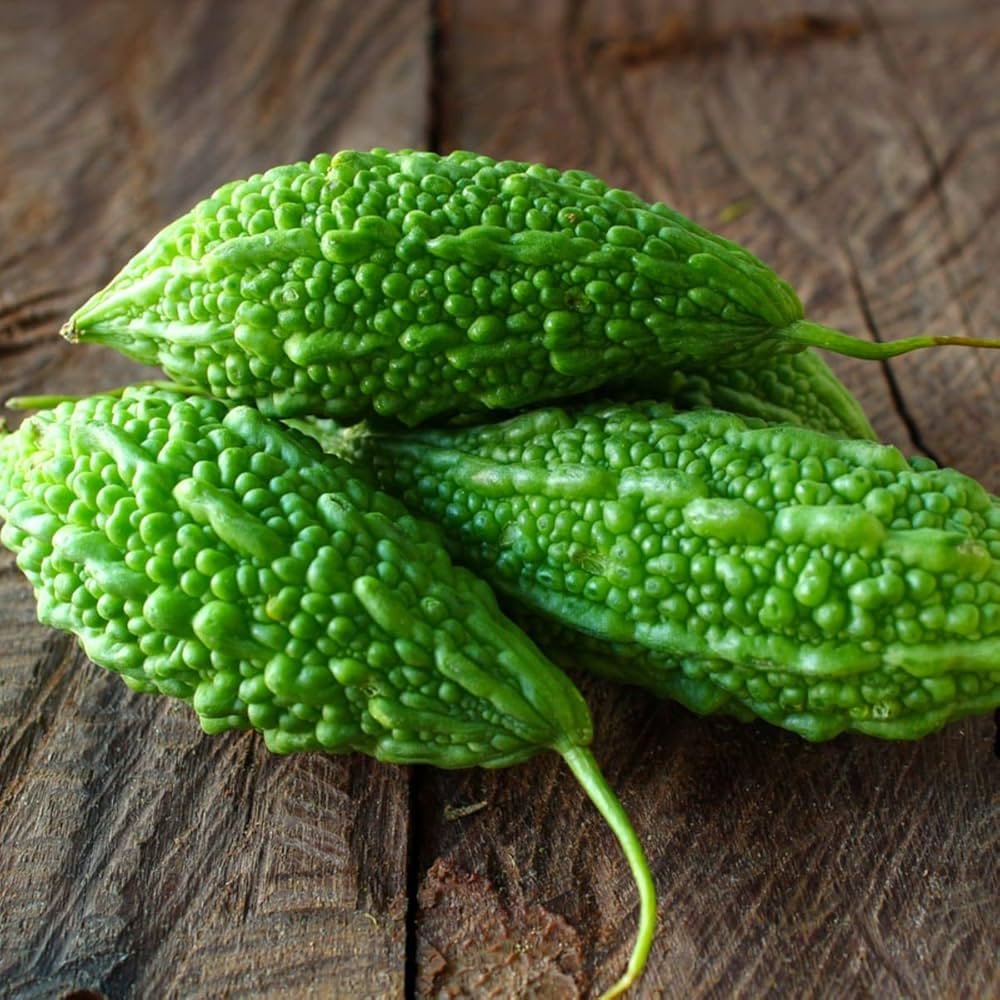
Growing bitter gourd at home offers several advantages:
- Fresh and chemical-free produce: Avoid pesticides and harmful chemicals
- High nutritional value: Rich in vitamins A, C, potassium, and iron
- Cost-effective: Saves money compared to buying from markets
- Easy to grow: Suitable for containers, vertical gardening, and backyard gardens
- Medicinal properties: Supports blood sugar control and immunity
With the right care, a single vine can produce dozens of fruits during the growing season.
Choosing the Right Variety
Selecting the right variety is crucial for a successful bitter gourd harvest. Popular varieties include:
- Pusa Do Mausami: High yield, medium-sized fruits, good for all climates
- Pusa Hybrid: Smooth skin, early-bearing variety, ideal for home gardens
- Arka Harit: Disease-resistant, long fruits, suitable for vertical gardening
- Local Varieties: Often more resilient to regional pests and climatic conditions
Choose a variety that suits your climate, space, and preference for fruit size.
Best Time to Grow Bitter Gourd
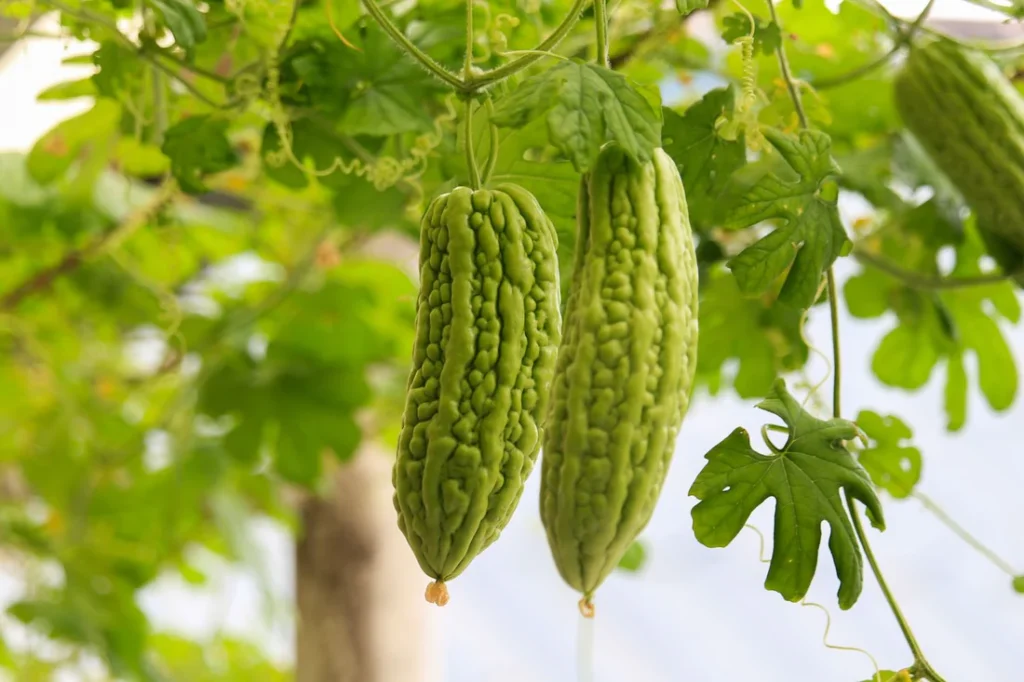
Bitter gourd thrives in warm, tropical, and subtropical climates.
- Sowing season: Late spring to early summer (March–June in India)
- Harvest season: 60–70 days after sowing, during summer and early monsoon
- Avoid frost: Bitter gourd is sensitive to cold and will not grow in winter
Soil Preparation for Bitter Gourd
Healthy soil is the foundation for high yield and disease-free growth.
Ideal Soil Conditions:
- Type: Well-draining, sandy loam or loamy soil
- pH: Slightly acidic to neutral (6.0–7.0)
- Organic content: High; enrich soil with compost or cow dung
Preparation Steps:
- Remove weeds, stones, and debris from the planting area
- Mix in well-rotted compost or organic manure
- Ensure the soil is loose to allow easy root penetration
For container gardening, use a mix of garden soil + compost + cocopeat.
Sowing Bitter Gourd Seeds
Bitter gourd can be grown from seeds, which is the most common and effective method.
Steps:
- Seed Selection: Choose healthy, mature seeds from reliable varieties.
- Soaking: Soak seeds in water for 6–8 hours to improve germination.
- Planting Depth: Sow seeds 1–2 inches deep in prepared soil.
- Spacing: Keep 18–24 inches between plants to allow proper growth.
- Initial Watering: Water gently after sowing to keep soil moist.
Seeds usually germinate within 7–10 days, depending on temperature and moisture.
Providing Support: Trellis or Vertical Gardening
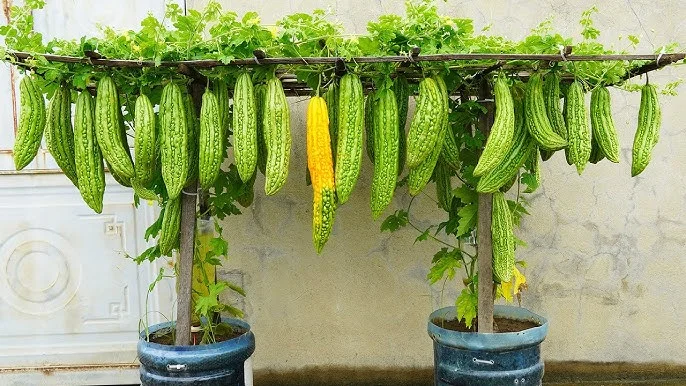
Bitter gourd is a climbing vine and requires support for healthy growth and high yield.
Support Options:
- Bamboo sticks or poles
- Trellises or mesh
- Fences and strings
Vines growing vertically produce cleaner fruits and reduce pest problems, as fruits are off the ground.
Watering Requirements
Bitter gourd needs consistent moisture but cannot tolerate waterlogging.
- Frequency: 3–4 times a week during summer, reduce during rainy season
- Method: Water at the base of the plant, avoid wetting leaves excessively
- Mulching: Apply straw or dry leaves to retain soil moisture
Proper watering ensures strong vines, healthy flowers, and juicy fruits.
Fertilization for Healthy Growth
Fertilizing bitter gourd improves growth, flowering, and fruiting.
Recommended Fertilizers:
- Organic options: Compost, cow dung, vermicompost
- Chemical options: NPK 10:10:10 or 20:20:20 for balanced nutrition
- Micronutrients: Magnesium, iron, and zinc for leaf health
Fertilization Schedule:
- At planting: Mix 1–2 kg compost per square meter
- During vegetative growth: Apply NPK every 3–4 weeks
- During flowering: Use potash-rich fertilizer to encourage fruiting
Flowering and Pollination
Bitter gourd produces male and female flowers on the same plant.
- Male flowers: Appear first; provide pollen
- Female flowers: Develop later; will bear fruit after pollination
Pollination is essential. If natural pollinators like bees are scarce, hand pollination using a soft brush increases fruit set.
Pest and Disease Management
Bitter gourd can be affected by pests and diseases. Common issues include:
Pests:
- Fruit Fly: Lay eggs inside fruits → use traps or neem oil
- Aphids: Spray neem or insecticidal soap
- Red Spider Mites: Spray water or neem oil
Diseases:
- Powdery Mildew: White powder on leaves → use sulfur-based fungicide
- Downy Mildew: Yellow patches → improve airflow and spray fungicide
- Anthracnose: Dark spots on leaves and fruits → remove infected parts
Maintaining proper spacing, airflow, and clean cultivation practices prevents most problems.
Harvesting Bitter Gourd
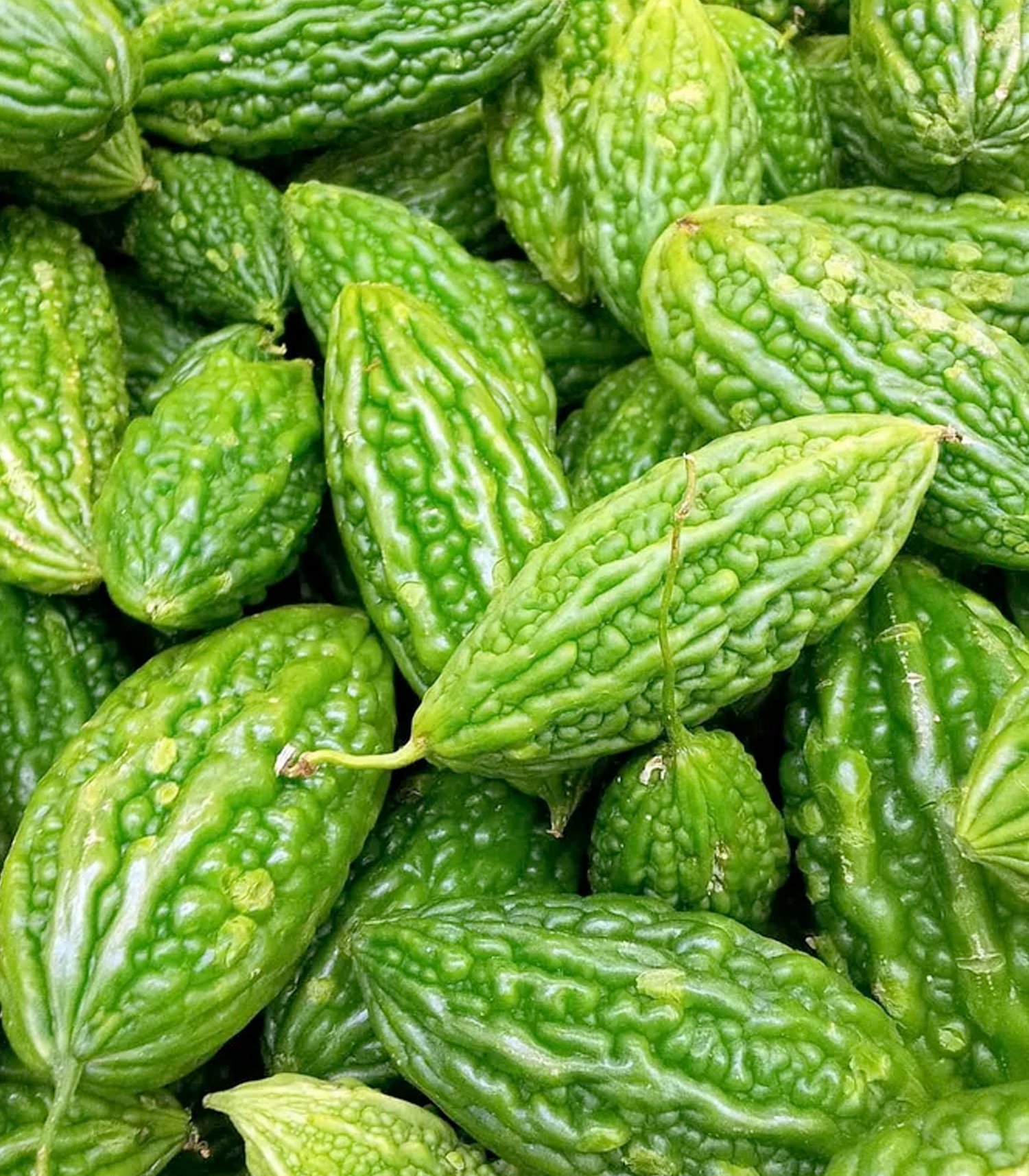
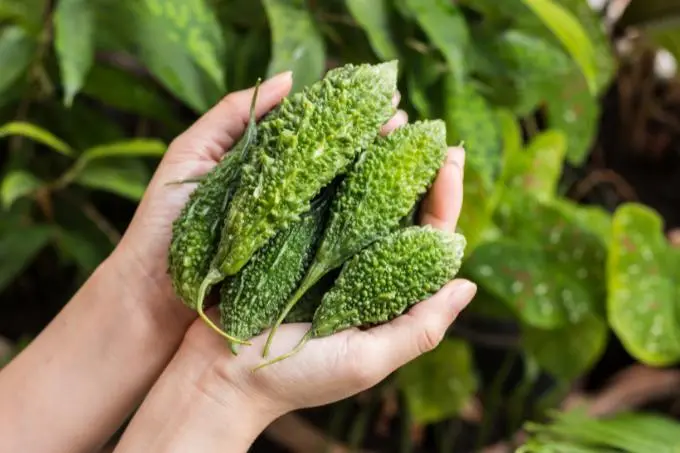
- Harvest when fruits are green, firm, and tender
- Do not let fruits turn yellow as they become bitter and lose nutritional value
- Use scissors or gently twist to avoid damaging the vine
- Regular harvesting encourages continuous flowering and fruiting
Typically, bitter gourd can be harvested 2–3 times a week during peak season.
Tips for Higher Yield
- Use trellises for vertical growth
- Ensure 6–8 hours of sunlight per day
- Provide consistent watering and mulching
- Hand-pollinate if natural pollinators are insufficient
- Apply organic fertilizers regularly
- Remove yellowing leaves and diseased fruits promptly
Growing Bitter Gourd in Containers
Even if you lack a garden, you can grow bitter gourd in pots.
- Pot size: Minimum 15–20 liters
- Soil mix: Garden soil + compost + sand
- Support: Small trellis or bamboo sticks
- Watering: Keep soil consistently moist
- Fertilization: Same as garden plants, in smaller doses
Container-grown bitter gourd is perfect for balconies, terraces, or small urban gardens.
Final Thoughts: Start Growing Bitter Gourd at Home
Growing bitter gourd is a highly rewarding experience. With proper care, support, and consistent attention to watering, fertilization, and pest management, you can enjoy a bountiful, fresh, and nutritious harvest.
Whether for your family’s health, culinary use, or traditional medicine, cultivating bitter gourd at home ensures that you always have access to fresh, chemical-free vegetables.
Start small with a few seeds or cuttings, experiment with vertical gardening or container planting, and gradually expand your home garden. With patience and practice, you’ll soon have healthy vines laden with juicy, green bitter gourds—a true testament to your gardening skills.