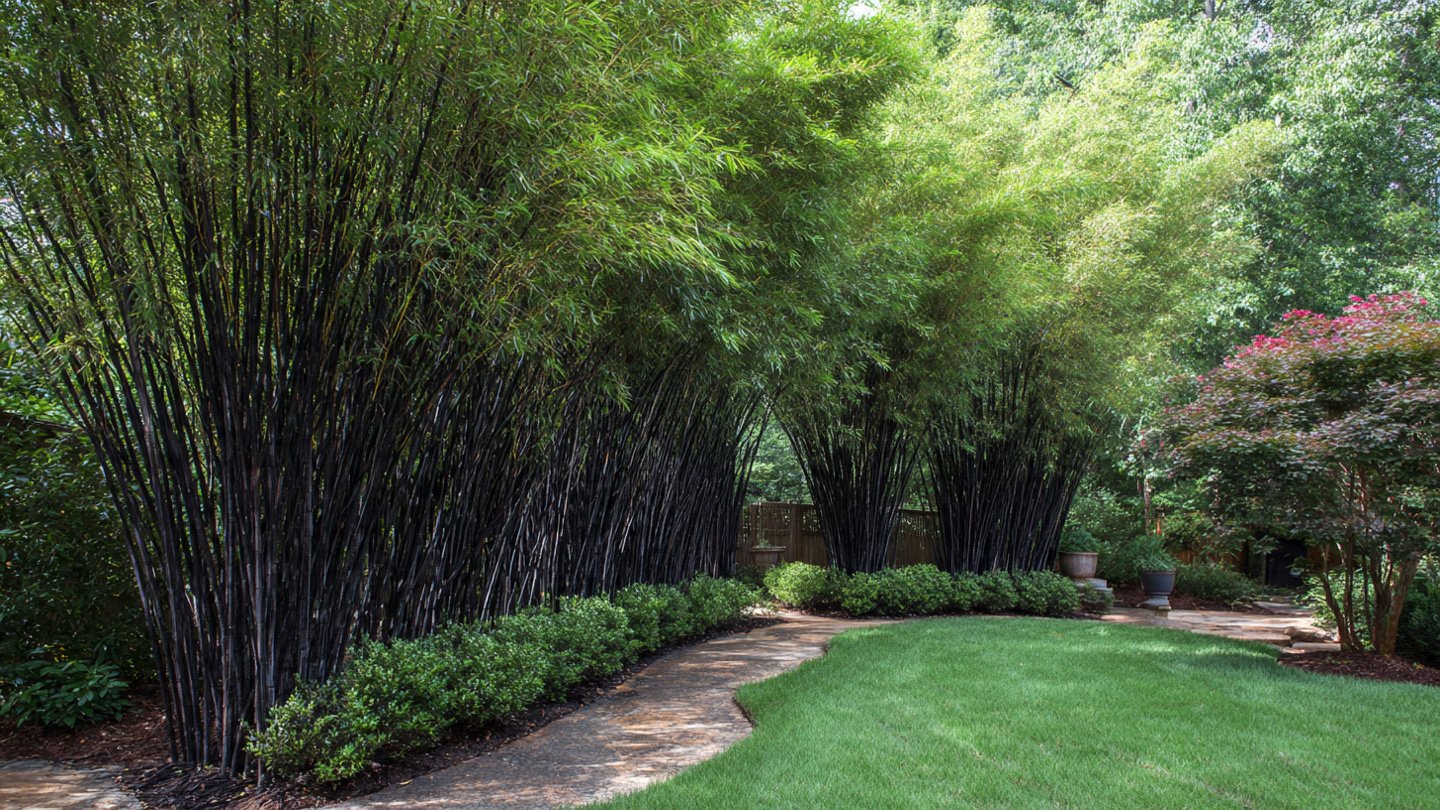
Black bamboo (Phyllostachys nigra) is a striking plant that can add both beauty and privacy to your garden. Known for its dark, almost ebony-colored culms, this bamboo variety is not just visually appealing; it’s also versatile, making it an excellent choice for gardeners looking to create a unique landscape design. In this article, we will dive into the essentials of growing black bamboo, including the optimum conditions, care requirements, and potential challenges.
Understanding Black Bamboo
Characteristics of Black Bamboo
Black bamboo is native to China and is known for its striking color and elegant appearance. The culms can grow up to 30 feet tall, with diameters ranging from 1 to 2 inches. The striking black color typically develops within the first few years as the plant matures, adding to its allure.
In addition to its aesthetic appeal, black bamboo offers several practical benefits:
- Privacy Screen: Its tall growth and dense foliage provide excellent coverage.
- Erosion Control: The strong root system helps prevent soil erosion in sloped areas.
- Environmental Benefits: Bamboo quickly absorbs carbon dioxide and produces oxygen, making it an environmentally friendly choice.
Choosing the Right Location
Sunlight Requirements
Black bamboo thrives in full sun to partial shade. Ideally, it should receive at least 6 hours of sunlight per day. However, hot climates might necessitate some afternoon shade to prevent scorching.
Soil Quality
This bamboo prefers well-drained soil rich in organic matter. A pH level of 6.0 to 7.0 is ideally suited for optimal growth. Heavy clay or overly sandy soils can hinder its growth, so amending these with compost can improve drainage and nutrient content.
Space Considerations
Consider the space available for black bamboo. It can spread relatively quickly, so it’s best to plant it in a designated area where you can control its growth.
Planting Black Bamboo
When to Plant
The best time to plant black bamboo is during the spring when the soil is beginning to warm. This allows the plant to establish itself before the heat of summer sets in.
Preparing for Planting
- Select a Variety: While the traditional black bamboo variety is popular, there are several cultivars worth exploring for color and size variations.
- Soil Preparation: Till the area and incorporate plenty of organic material, like well-rotted manure or compost, into the soil.
- Watering: Ensure the soil is moist before planting to help the roots establish quickly.
Planting Steps
- Dig a Hole: Create a hole that is twice the width and depth of the root ball.
- Placement: Remove the plant from its container and loosen any tightly bound roots, then place it into the hole.
- Backfill and Water: Refill the hole with soil and water thoroughly to eliminate air pockets.
Spacing Plants
If planting multiple bamboo plants, space them at least 3 to 5 feet apart. This spacing allows for growth and air circulation, which helps prevent diseases.
Caring for Black Bamboo
Watering
Black bamboo requires regular watering, especially during its first growing season. The soil should remain consistently moist but not soggy. Mulching around the base can help retain moisture while regulating soil temperature.
Fertilizing
A balanced fertilizer high in nitrogen, applied in the spring, will promote vigorous growth. Organic options, such as fish emulsion or compost, are excellent choices. Avoid over-fertilizing, as this can lead to weak, spindly growth.
Pruning
Regular pruning maintains the bamboo’s appearance and health. Remove any dead or weak canes to promote better air circulation and encourage new growth. The best time to prune black bamboo is in late winter or early spring before new growth begins.
Controlling Growth and Spread
Black bamboo is a clumping variety but can still spread. To maintain control, you might consider planting it in a designated area with bamboo barriers. These barriers can be made of thick plastic or metal buried vertically in the ground to prevent unwanted spreading.
Potential Challenges
Pests and Diseases
While black bamboo is relatively hardy, it can still be susceptible to pests such as spider mites and aphids. Regularly inspect the plants for signs of distress. Integrated pest management techniques, such as introducing beneficial insects or using insecticidal soap, can help mitigate pest problems.
Environmental Stressors
Extreme temperatures, drought, and heavy rains can stress black bamboo. If you live in an area prone to such conditions, consider planting it in a location that offers some shelter from harsh weather.
Harvesting Black Bamboo
One of the benefits of black bamboo is its utility beyond ornamental purposes. The culms can be harvested for various uses, including:
- Crafting: The strong, lightweight wood is ideal for making furniture, fencing, and garden trellises.
- Culinary Uses: Young shoots are edible and can be harvested in the spring.
To harvest, simply cut the culm at ground level, ensuring to leave enough of the root system intact for regrowth.
Creating a Stunning Design with Black Bamboo
Privacy Screens and Fencing
A row of black bamboo can create a natural privacy screen, allowing you to enjoy your outdoor space without prying eyes. When planting for privacy, consider the height and density of the culms to achieve the desired level of coverage.
Accent Planting
Black bamboo can also serve as a stunning accent plant in a mixed garden. Pair it with flowering perennials or ornamental grasses for a dynamic look. Consider using it as a backdrop for vibrant flowers that can contrast beautifully with the dark foliage.
Container Gardening
If space is limited, consider growing black bamboo in containers. Choose large pots to accommodate root growth and provide adequate drainage. This method allows for flexibility in placement and adds height to patios or balconies.
FAQs
1. How fast does black bamboo grow?
Black bamboo can grow quite rapidly, often increasing in height by 3 to 5 feet per year under optimal conditions.
2. Can black bamboo be grown in pots?
Yes, black bamboo can be successfully grown in pots. However, it’s essential to choose a large container and ensure it has good drainage.
3. Is black bamboo invasive?
While black bamboo is a clumping variety and isn’t as invasive as running bamboos, it can still spread. Installing bamboo barrier or regularly pruning can help control its growth.
4. When should I prune my black bamboo?
The best time to prune black bamboo is in late winter or early spring before the growth season begins. This encourages healthier growth and improves air circulation.
5. Can I use black bamboo for landscaping?
Absolutely! Black bamboo is excellent for landscaping, providing both beauty and privacy. Its unique color and tall stature can enhance various garden designs.
6. How do I know if my bamboo is healthy?
Healthy bamboo will show vibrant green leaves, strong and upright culms, and show minimal signs of pest damage. Look for signs such as yellowing leaves or wilting to identify issues early.
7. Does black bamboo need a lot of water?
Yes, black bamboo prefers consistently moist soil, especially during the first growing season. However, avoid waterlogged conditions to prevent root rot.
Conclusion
Growing black bamboo can transform your garden into a stunning focal point while providing privacy and environmental benefits. With the right conditions, care, and maintenance, you can enjoy the beauty of this unique plant for years to come. Whether used as a privacy screen or an accent piece in your garden, black bamboo is sure to make a lasting impression.