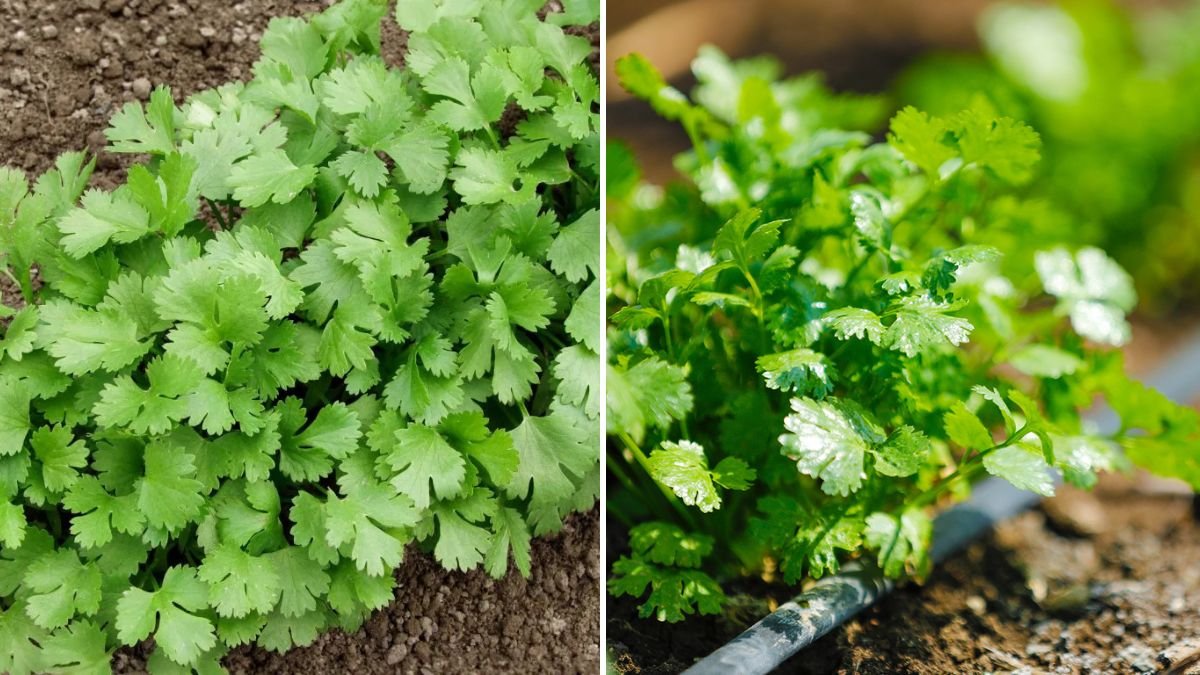
Cilantro is a fast-growing herb loved for its fresh flavor and aroma. It is widely used in cooking across many cuisines. Growing cilantro at home ensures clean, chemical-free leaves. It can be grown indoors, outdoors, or in containers. Cilantro grows quickly when given the right conditions. Even beginners can grow it successfully. Regular harvesting encourages continuous leaf production. Cilantro prefers cooler temperatures and moderate sunlight. Understanding its growth habit is essential. With simple care, cilantro thrives easily.
Why Grow Cilantro at Home
Homegrown cilantro is fresher than store-bought. It saves money and reduces food waste. Leaves can be harvested as needed. Growing cilantro ensures pesticide-free herbs. It grows well in small spaces like balconies and windowsills. Cilantro enhances garden diversity. Fresh leaves improve flavor in meals. Gardening cilantro builds confidence for beginners. It grows fast, offering quick rewards. Home cultivation promotes sustainable living.
Choosing the Right Cilantro Variety
Different cilantro varieties suit different climates. Slow-bolting varieties are ideal for warm regions. Standard coriander types work well in mild climates. Leaf-focused varieties produce more foliage. Some varieties grow better indoors. Choosing quality seeds improves germination success. Avoid old or poorly stored seeds. Climate-appropriate selection reduces stress. Variety choice affects flavor and growth speed. Selecting the right type ensures better harvests.
Best Time to Grow Cilantro
Cilantro prefers cool temperatures. Spring and fall are ideal seasons outdoors. Indoors, it can grow year-round. High heat causes early bolting. Morning sunlight is beneficial. Avoid peak summer heat outdoors. Indoor growing allows temperature control. Timing affects leaf quality and lifespan. Cooler weather produces tender leaves. Proper timing maximizes yield.
Soil Preparation for Cilantro
Cilantro prefers loose, well-draining soil. Mix garden soil with compost for nutrients. Avoid compact or clay soil. Slightly acidic to neutral pH works best. Organic matter improves moisture retention. Good drainage prevents root rot. Soil should remain moist but not soggy. Healthy soil supports rapid growth. Preparation before planting saves effort later. Soil quality directly affects leaf production.
Planting Cilantro Seeds
Cilantro does not transplant well. Seeds should be sown directly. Sow seeds about one centimeter deep. Space seeds evenly to avoid overcrowding. Lightly cover with soil and water gently. Germination takes seven to ten days. Thin seedlings after sprouting. Proper spacing improves airflow. Direct sowing reduces transplant shock. Early care ensures strong plants.
Growing Cilantro Indoors
Indoor cilantro grows well near bright windows. South-facing windows are ideal. Use pots with drainage holes. Rotate pots for even light exposure. Indoor temperatures should remain moderate. Water regularly to keep soil moist. Avoid placing near heaters. Indoor growing allows year-round harvests. Supplemental grow lights help in low light. Indoor cilantro is easy and productive.
Growing Cilantro Outdoors
Outdoor cilantro thrives in partial sun. Protect plants from intense afternoon heat. Raised beds improve drainage. Space plants properly to reduce disease. Mulch helps retain moisture. Outdoor airflow reduces fungal problems. Monitor weather conditions closely. Outdoor plants grow faster in cool seasons. Regular harvesting prevents bolting. Outdoor growing provides abundant leaves.
Watering Cilantro Properly
Cilantro prefers consistently moist soil. Avoid waterlogging. Water at the base of plants. Morning watering is best. Dry soil causes stress and bolting. Containers may need frequent watering. Mulch reduces evaporation. Overwatering leads to root problems. Balanced watering improves leaf quality. Consistency is key.
Sunlight Requirements
Cilantro needs four to six hours of sunlight. Too much sun causes early flowering. Partial shade is beneficial in warm climates. Indoor plants need bright indirect light. Rotate plants for uniform growth. Sunlight affects flavor intensity. Insufficient light causes leggy growth. Balance exposure carefully. Proper light ensures healthy foliage. Adjust placement seasonally.
Fertilizing Cilantro
Cilantro needs light feeding. Compost provides sufficient nutrients. Avoid heavy nitrogen fertilizers. Liquid organic fertilizer can be used sparingly. Overfertilizing reduces flavor. Feed every three weeks if needed. Nutrient balance supports leaf growth. Healthy soil reduces fertilizer needs. Observe plant color and growth. Gentle feeding works best.
Preventing Bolting
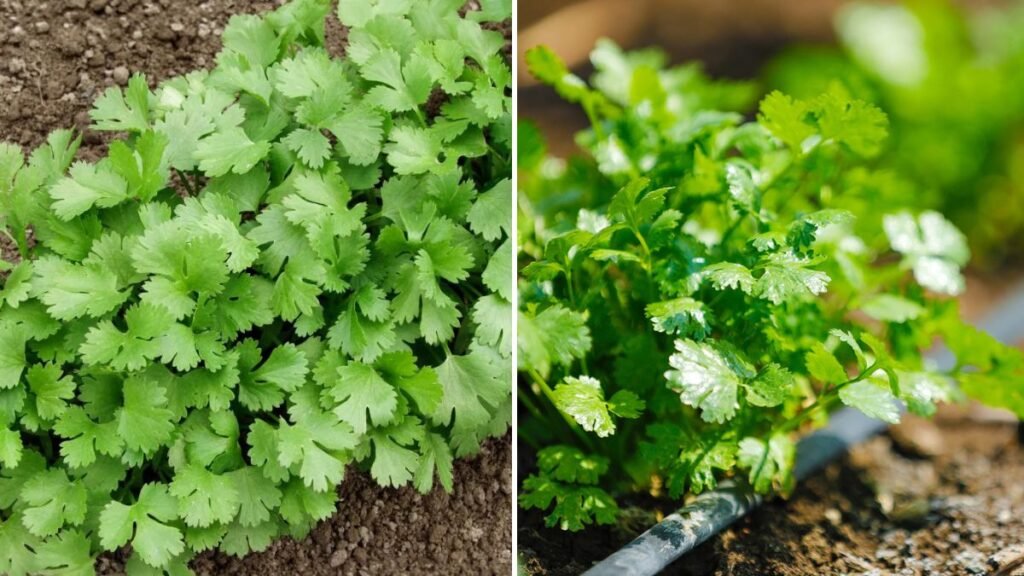
Bolting is common in cilantro. Heat and stress cause flowering. Harvest leaves regularly to delay bolting. Provide shade during warm days. Keep soil consistently moist. Use slow-bolting varieties. Cut flower stalks early. Indoor growing reduces bolting risk. Proper care extends harvest time. Prevention ensures longer leaf production.
Pest Management
Cilantro has few pest problems. Aphids may appear occasionally. Spray with water or neem oil. Encourage beneficial insects. Remove affected leaves promptly. Healthy plants resist pests. Avoid chemical pesticides. Inspect plants regularly. Early control prevents spread. Natural methods are effective.
Disease Prevention
Good airflow prevents fungal diseases. Avoid wetting leaves frequently. Use clean pots and tools. Rotate crops if growing outdoors. Remove infected plants immediately. Healthy soil reduces disease risk. Avoid overcrowding plants. Sunlight reduces fungal growth. Prevention is easier than treatment. Maintain cleanliness consistently.
Harvesting Cilantro Leaves
Harvest leaves when plants reach fifteen centimeters. Cut outer leaves first. Avoid removing more than one-third at a time. Regular harvesting promotes new growth. Morning harvest gives best flavor. Use clean scissors. Do not pull plants roughly. Gentle harvesting prolongs life. Frequent cuts delay flowering. Harvest responsibly.
Storing Fresh Cilantro
Store cilantro in the refrigerator. Wrap stems in damp paper towels. Place in airtight container. Use within one week. Alternatively, freeze chopped leaves. Avoid washing before storage. Proper storage preserves aroma. Fresh leaves taste best. Handle gently to avoid bruising. Storage extends usability.
Saving Cilantro Seeds
Allow some plants to flower. Let seeds mature and dry. Collect seeds when brown. Store in airtight containers. Label with date. Seeds remain viable for years. Seed saving saves money. Home-saved seeds adapt well locally. Use for future planting. Simple and sustainable practice.
Common Mistakes to Avoid
Planting in hot weather. Overwatering or underwatering. Transplanting seedlings. Ignoring sunlight needs. Overfertilizing plants. Delayed harvesting. Poor drainage. Crowded planting. Learning mistakes improves success. Observation prevents failure.
Table: Cilantro Growing Essentials
| Aspect | Recommendation | Benefit |
|---|---|---|
| Soil | Loose with compost | Fast root growth |
| Sunlight | Partial sun | Delays bolting |
| Watering | Consistent moisture | Tender leaves |
| Fertilizer | Light organic | Better flavor |
| Harvest | Regular cutting | Longer yield |
Final Thoughts
Cilantro is easy to grow with simple care. Cool temperatures and regular harvesting are key. Indoor and outdoor growing both work well. Proper watering prevents bolting. Healthy soil supports rapid growth. Light feeding maintains flavor. Pest problems are minimal. Cilantro rewards attention quickly. Fresh leaves enhance cooking. Anyone can grow cilantro successfully.