1. Introduction
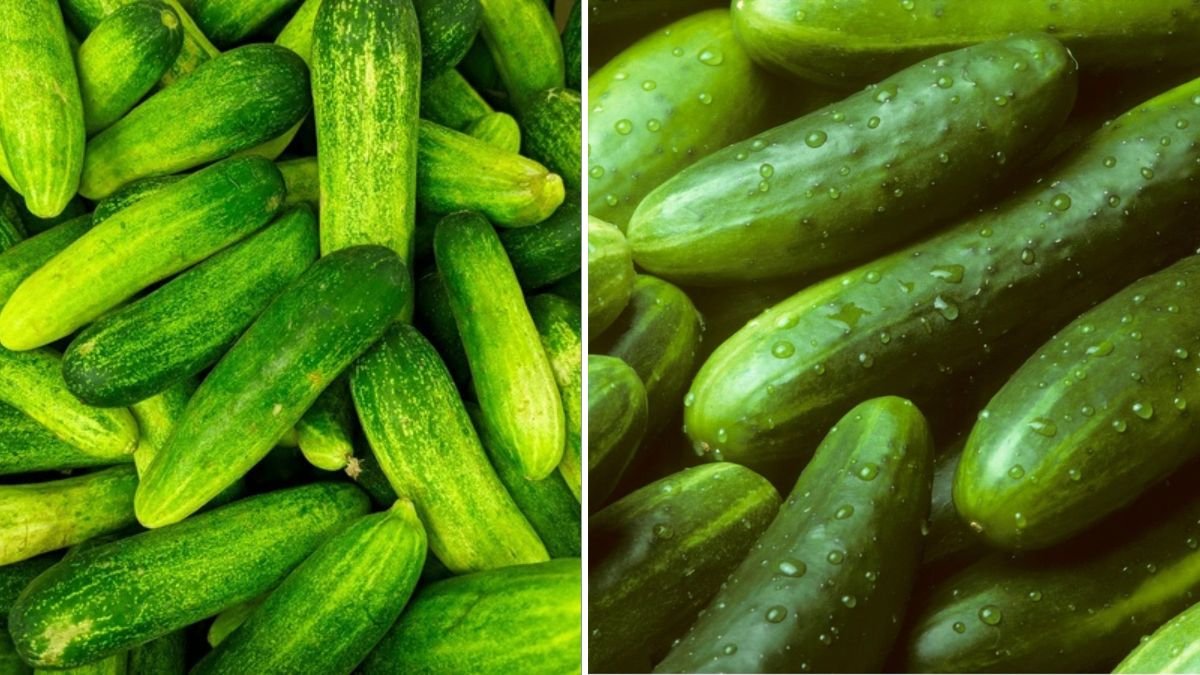
Growing cucumbers in containers is an excellent solution for home gardeners with limited space. Many people believe cucumbers need large gardens, but containers work surprisingly well. With proper care, container cucumbers grow fast and produce heavily. Balconies, terraces, and patios are perfect locations. Container gardening also reduces soil problems and pests. You can control water and nutrients easily. Fresh cucumbers taste crisp and refreshing. This method suits beginners and experienced gardeners alike. The right techniques lead to abundant harvests. This guide explains everything in detail.
2. Why Cucumbers Are Perfect for Containers
Cucumbers adapt very well to container environments. Their roots are shallow and spread easily in pots. Containers warm up faster, promoting quicker growth. Drainage is easier to manage than garden beds. Pests and diseases are easier to control. Vertical growth saves space efficiently. Container cucumbers receive focused care. Growth becomes more predictable and productive. Even small spaces become fruitful gardens. This makes container cucumbers highly practical.
3. Choosing the Right Container Size
Large containers are essential for cucumbers. A pot of at least twenty liters is recommended. Deep containers support healthy root systems. Wide containers allow better moisture retention. Drainage holes are mandatory to avoid waterlogging. Grow bags and plastic tubs work well. Dark containers may need shading. Proper container size ensures strong vines. Small pots reduce yield significantly. Choosing the right container is the first success step.
4. Best Cucumber Varieties for Containers
Bush cucumber varieties are ideal for containers. Compact vines are easier to manage. Hybrid varieties often produce higher yields. Disease-resistant types perform better. Pickling cucumbers also suit pots well. Avoid long-vine field varieties. Fast-growing varieties ensure quick harvests. Local varieties adapt better to climate. Variety selection directly affects productivity. Choose wisely for best results.
5. Preparing the Ideal Soil Mix
Cucumbers need loose, nutrient-rich soil. Mix garden soil, compost, and cocopeat evenly. Compost improves fertility and growth. Cocopeat improves drainage and moisture balance. Soil should remain airy and soft. Avoid heavy clay soil. Slightly acidic to neutral soil is best. Healthy soil supports continuous fruiting. Good soil preparation boosts yield. Soil quality is critical.
6. Sowing Seeds or Transplanting Seedlings
Seeds can be sown directly in containers. Sow seeds one inch deep. Keep soil moist during germination. Seedlings emerge quickly in warm soil. Transplanting seedlings also works well. Handle roots gently to avoid damage. Water immediately after planting. Proper spacing prevents overcrowding. Early care ensures strong growth. Gentle handling improves survival.
7. Placement and Sunlight Needs
Cucumbers require plenty of sunlight. Six to eight hours daily is ideal. Morning sunlight promotes healthy vines. Containers can be moved easily for light. Insufficient sunlight reduces flowering. Balanced exposure improves fruit size. Avoid extremely windy locations. Sunlight drives photosynthesis. Proper placement boosts productivity. Light management is essential.
8. Watering Techniques for Containers
Container cucumbers need regular watering. Soil dries faster in pots. Water deeply but avoid waterlogging. Morning watering is best. Mulching helps retain moisture. Inconsistent watering causes bitter fruits. Check soil moisture daily. Proper hydration supports fruit development. Balanced watering prevents stress. Consistency is key.
9. Fertilizing for Heavy Yield
Cucumbers are heavy feeders. Organic compost works effectively. Liquid fertilizer boosts growth. Feed every ten to fourteen days. Avoid excess nitrogen. Potassium supports flowering and fruiting. Balanced nutrition ensures continuous harvest. Overfeeding damages roots. Fertilizing schedule matters. Proper feeding increases yield.
10. Supporting Cucumber Vines
Cucumber vines need support in containers. Trellises or stakes work well. Vertical growth saves space. Supported vines receive more sunlight. Fruits stay clean and healthy. Airflow reduces disease risk. Strong support prevents vine breakage. Vertical training improves yield. Support makes harvesting easier. Proper support is necessary.
11. Pruning and Training Vines
Light pruning improves airflow. Remove weak or damaged shoots. Train vines upward gently. Avoid excessive pruning. Proper training directs energy to fruiting. Clean cuts prevent infection. Balanced growth improves yield. Regular inspection helps. Pruning simplifies maintenance. Technique matters.
12. Flowering and Pollination
Cucumbers produce male and female flowers. Pollination is essential for fruit set. Bees help naturally. Hand pollination improves results. Healthy plants produce more flowers. Stress reduces flowering. Adequate nutrients support bloom. Flower care determines yield. Attention improves productivity. Pollination is critical.
13. Pest Management
Container cucumbers face fewer pests. Aphids may appear occasionally. Neem oil controls pests naturally. Inspect leaves regularly. Remove infected leaves promptly. Clean surroundings prevent infestations. Healthy plants resist pests better. Organic methods protect harvest. Prevention saves effort. Vigilance is important.
14. Disease Prevention
Good drainage prevents fungal disease. Avoid wet leaves. Maintain airflow. Remove yellowing leaves. Clean tools regularly. Healthy soil reduces disease risk. Early detection prevents spread. Prevention protects yield. Simple habits ensure health. Clean gardening is essential.
15. Fruit Development Stage
Fruits develop quickly after pollination. Maintain consistent care. Avoid water stress. Proper feeding supports fruit growth. Monitor fruits regularly. Healthy leaves support development. Fruits grow straight and crisp. Consistency ensures quality. Development stage needs attention. Care leads to success.
16. Harvesting Cucumbers
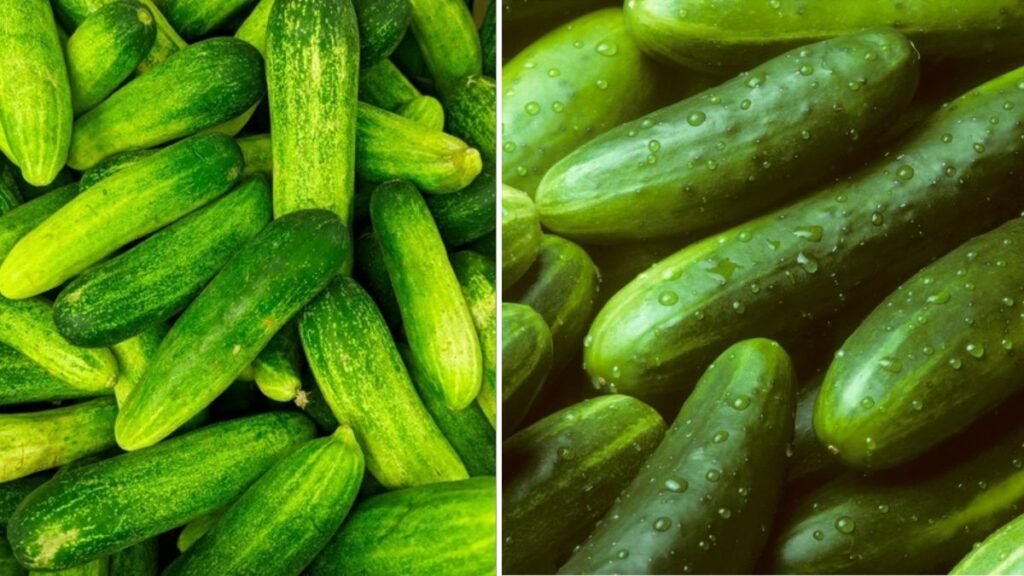
Harvest cucumbers regularly. Pick fruits when tender. Morning harvest preserves freshness. Frequent harvesting encourages more fruits. Avoid overripe cucumbers. Gentle handling prevents vine damage. Proper timing improves taste. Regular picking increases yield. Harvesting technique matters. Fresh cucumbers taste best.
17. Expected Yield from Containers
Container cucumbers yield generously. Small spaces produce many fruits. Vertical growth maximizes production. Consistent care boosts output. Gardeners enjoy steady harvests. Productivity improves with experience. Results often exceed expectations. Space is not a limitation. Smart methods deliver abundance. Care determines success.
18. Common Mistakes to Avoid
Using small containers reduces yield. Overwatering causes root rot. Insufficient sunlight limits growth. Ignoring support weakens vines. Skipping fertilization reduces fruiting. Poor drainage causes disease. Avoid overcrowding. Awareness prevents failure. Simple corrections improve results. Learn from mistakes.
19. Container Cucumber Gardening Table
| Item | Purpose | Benefit |
|---|---|---|
| Large container | Planting | Strong roots |
| Cucumber seeds | Growing | Fast harvest |
| Compost | Nutrition | Healthy vines |
| Trellis | Support | Vertical growth |
| Neem oil | Pest control | Organic safety |
20. Conclusion
Growing cucumbers in containers is easy and highly rewarding. This method proves that limited space is not a barrier. With proper soil, sunlight, and care, yields are impressive. Container gardening allows full control. Fresh cucumbers become easily accessible. Beginners can succeed confidently. Regular harvesting ensures continuous supply. Smart planning leads to abundant results. Home gardening becomes productive and enjoyable. Success starts with one container.