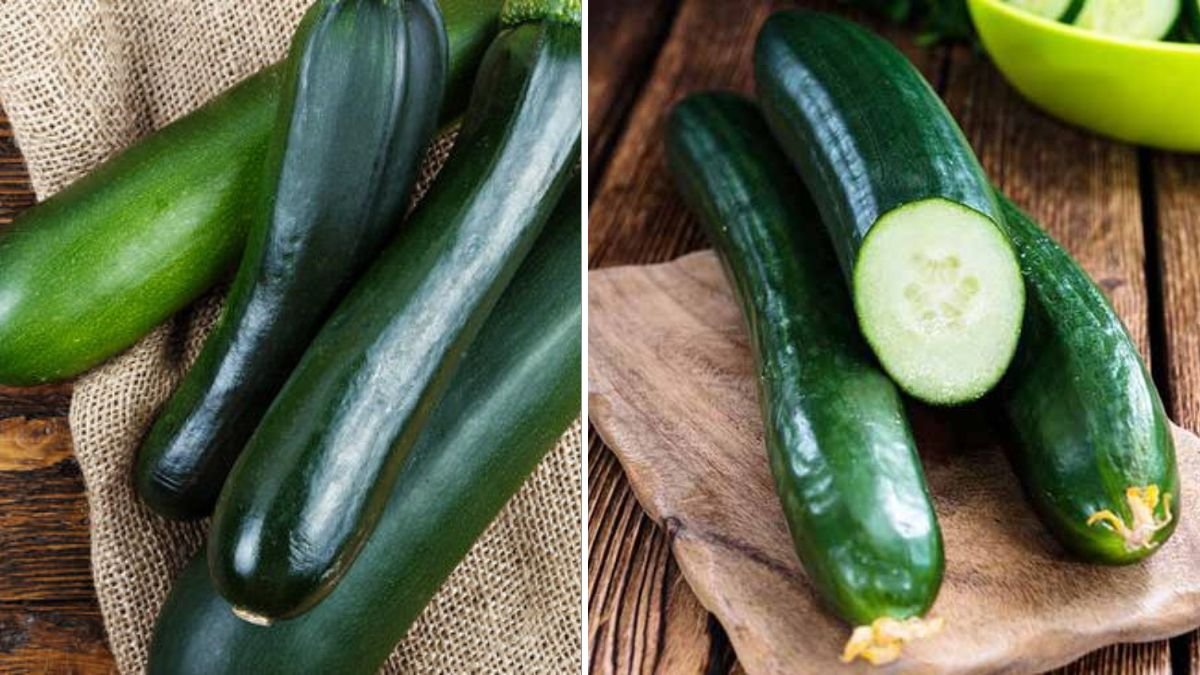
Cucumbers are fast-growing vines that adapt well to container gardening. Plastic containers allow control over soil and water. They are lightweight and easy to move. Containers reduce soil-borne diseases. Vertical growth saves space. Cucumbers thrive with proper sunlight and feeding. This method suits balconies and rooftops. Even beginners can grow cucumbers successfully.
Understanding Cucumber Growth Habits
Cucumbers grow rapidly and need support. They prefer warm temperatures and loose soil. Roots spread quickly in containers. Proper care leads to early flowering. Healthy vines produce continuously. Growth depends on sunlight and nutrition. Understanding habits improves planning. Preparation ensures higher yields.
Choosing the Right Plastic Containers
Use containers of at least 20–30 liters. Deep containers support strong roots. Ensure multiple drainage holes. Sturdy plastic is ideal. Avoid shallow containers. Larger containers produce more fruits. Container size affects vine strength. Choose wisely for success.
Preparing Drainage for Container Cucumbers
Add gravel or broken pots at the bottom. Ensure excess water drains freely. Good drainage prevents root rot. Cucumbers like moisture but hate soggy soil. Proper drainage improves oxygen flow. Healthy roots grow faster. Drainage preparation is essential. Never skip this step.
Best Soil Mix for Container Cucumbers
Use fertile, well-draining soil. Mix compost, garden soil, and coco peat. Add vermicompost generously. Avoid compact soil. Slightly acidic soil improves nutrient uptake. Loose soil promotes root growth. Healthy soil improves fruit size. Soil quality defines harvest.
Selecting High-Yield Cucumber Varieties
Choose compact or hybrid varieties. Disease-resistant types perform better. Fast-fruiting varieties suit containers. Local varieties adapt easily. Healthy seedlings establish quickly. Avoid weak plants. Variety choice affects yield and taste. Strong genetics matter.
Planting Cucumbers in Plastic Containers
Fill containers with prepared soil. Plant one or two seedlings per container. Firm soil gently around roots. Water lightly after planting. Place containers in warm sunlight. Avoid disturbing roots. Proper planting ensures strong starts. Healthy starts grow faster.
Sunlight Requirements for Rapid Growth
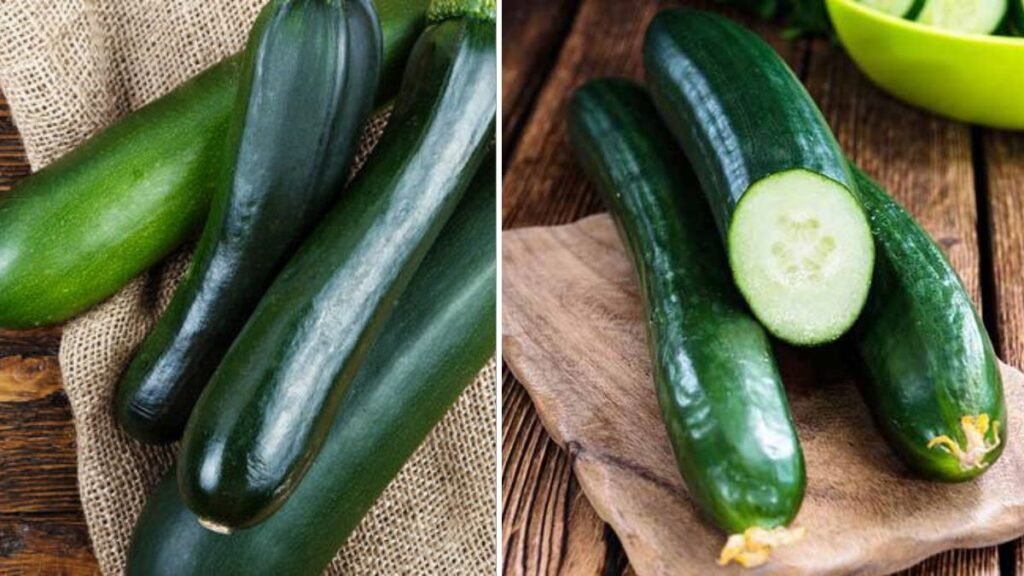
Cucumbers need 6–8 hours of sunlight daily. Morning sun is ideal. Rotate containers weekly. Insufficient light reduces flowering. Strong sunlight improves fruit shape. Light exposure affects yield. Proper placement is crucial. Consistency improves results.
Watering Schedule for Container Cucumbers
Water deeply and consistently. Containers dry quickly. Morning watering is best. Avoid water stress. Mulching reduces evaporation. Irregular watering causes bitter fruits. Balanced moisture improves taste. Daily checks are necessary.
Feeding Cucumbers for Heavy Production
Feed plants every 7–10 days. Use organic liquid fertilizer. Potassium boosts flowering. Nitrogen supports vine growth. Avoid overfeeding. Regular nutrition ensures continuous fruiting. Balanced feeding improves size. Feeding timing is important.
Providing Vertical Support and Trellis
Install trellises or stakes early. Cucumbers climb rapidly. Vertical growth saves space. Hanging fruits grow straighter. Support improves airflow. Reduces disease risk. Trellising increases harvest. Structure is essential.
Flowering and Pollination Tips
Cucumbers produce male and female flowers. Bees help pollination naturally. Hand pollination improves yield. Morning pollination works best. Healthy flowers indicate good nutrition. Poor pollination reduces fruit count. Proper care improves fruit set. Observation helps timing.
Pruning and Vine Management
Remove weak side shoots. Focus energy on main vines. Pruning improves airflow. Encourages larger fruits. Remove yellow leaves. Controlled growth improves productivity. Clean vines resist disease. Management improves harvest quality.
Pest and Disease Prevention
Common pests include aphids and beetles. Neem oil spray is effective. Remove infected leaves promptly. Good airflow prevents fungal disease. Container growing reduces soil pests. Organic methods keep cucumbers safe. Prevention saves effort.
Temperature and Seasonal Care
Cucumbers thrive in warm conditions. Protect plants from cold winds. Shade during extreme heat. Containers allow easy relocation. Mulching stabilizes temperature. Seasonal adjustment improves yield. Adapt care as needed. Stability ensures success.
Harvesting Cucumbers Properly
Harvest cucumbers when young and firm. Overripe fruits reduce production. Use scissors to cut gently. Frequent harvesting encourages new fruits. Morning harvest preserves freshness. Handle fruits carefully. Timely harvest improves taste. Regular picking increases yield.
Expected Yield from Container Cucumbers
| Growing Factor | Result |
|---|---|
| First harvest | 45–55 days |
| Fruits per plant | 15–25 |
| Container size | 20–30 liters |
| Growing method | Vertical |
Common Problems and Easy Fixes
Bitter fruits indicate water stress. Yellow leaves show nutrient issues. Flower drop signals heat stress. Adjust care quickly. Improve feeding and watering. Ensure proper sunlight. Early correction prevents loss. Experience improves results.
Benefits of Growing Cucumbers in Plastic Containers
Space saving. High yield. Easy maintenance. Cleaner fruits. Suitable for urban homes. Portable growing. Sustainable method. Very rewarding.
Tips for Bigger and Faster Harvests
Use large containers. Feed regularly. Water consistently. Provide strong sunlight. Install trellis early. Harvest frequently. Monitor plants daily. Consistency brings abundance.
Conclusion: Grow Fresh Cucumbers Anywhere
Plastic container cucumber gardening makes fresh produce accessible. Even small spaces can produce big harvests. With sunlight and care, yields are impressive. Beginners can succeed easily. Homegrown cucumbers taste better. This method is practical and sustainable. Start growing today.