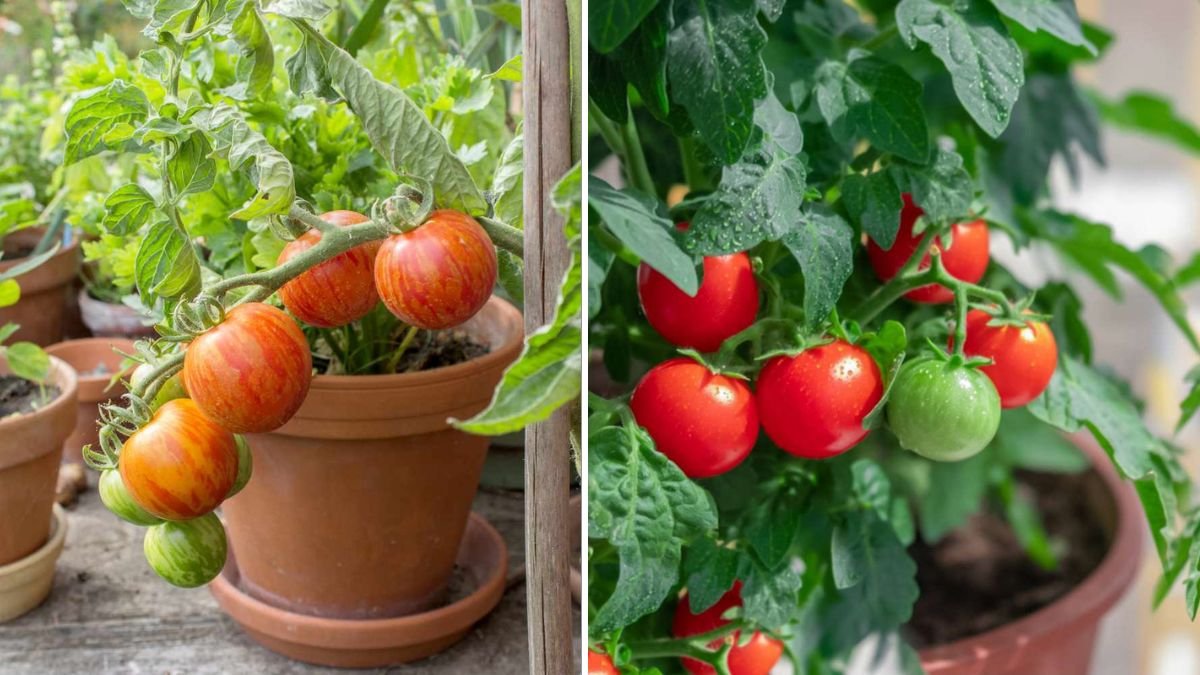
Tomatoes are one of the easiest vegetables to grow in containers. Recycled containers offer an eco-friendly solution for home gardening. With proper care, tomatoes thrive in reused pots. This method saves money and reduces waste. It is perfect for balconies and terraces. Container gardening allows better control over soil and water. Tomatoes grown this way are flavorful and healthy. Even beginners can achieve success. This approach combines sustainability with productivity. Fresh tomatoes at home are always rewarding.
Choosing the Right Tomato Varieties
Compact and determinate varieties work best in containers. Cherry tomatoes produce heavily. Roma and patio varieties are excellent choices. Disease-resistant seeds reduce maintenance. Choose varieties suited to your climate. Smaller plants perform better in limited space. High-yield varieties maximize output. Seed quality affects fruit flavor. Proper variety selection ensures success. Good choices lead to better harvests.
Selecting and Preparing Recycled Containers
Old buckets, tubs, and pots work well. Containers should be at least 12–18 inches deep. Clean thoroughly before use. Drill drainage holes at the bottom. Poor drainage causes root problems. Food-grade containers are safest. Avoid containers that held chemicals. Reusing containers saves money. Proper preparation improves plant health. Clean containers prevent disease buildup.
Best Soil Mix for Container Tomatoes
Tomatoes require rich, loose soil. Mix garden soil, compost, and cocopeat. Add bone meal for calcium. Calcium prevents blossom end rot. Avoid compacted soil. Good drainage is essential. Organic matter improves fertility. Healthy soil improves fruit taste. Soil quality directly impacts yield. Balanced soil supports continuous growth.
Sunlight Requirements for Tomatoes
Tomatoes need full sunlight. Six to eight hours is ideal. Morning sun improves plant health. Lack of light reduces fruiting. Place containers in open areas. Rotate containers weekly. Avoid shaded balconies. Sunlight improves sweetness and color. Strong light supports flowering. Proper exposure ensures productivity.
Watering Techniques for Container Tomatoes
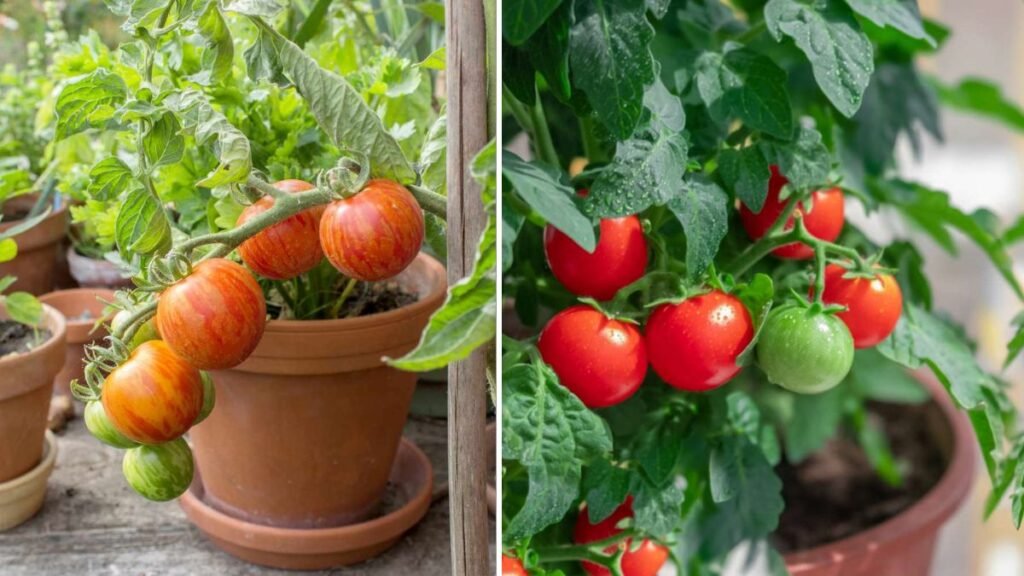
Water tomatoes consistently. Irregular watering causes cracking. Water deeply until excess drains out. Morning watering is best. Avoid wetting leaves frequently. Mulching helps retain moisture. Overwatering leads to root rot. Balanced watering improves fruit quality. Proper moisture supports steady growth. Consistency is key.
Fertilizing for High Tomato Yield
Tomatoes are heavy feeders. Use compost tea every two weeks. Banana peel water boosts potassium. Epsom salt provides magnesium. Avoid excess nitrogen. Too much nitrogen reduces flowering. Balanced nutrition supports fruiting. Organic feeding improves soil life. Regular fertilization increases yield. Healthy plants produce more fruits.
Providing Support to Tomato Plants
Tomato plants need support. Use stakes or cages. Tie stems gently as they grow. Support prevents breakage. Upright plants receive better airflow. Reduced disease risk improves yield. Containers tip easily without support. Proper staking ensures stability. Support improves fruit shape. Strong plants last longer.
Managing Pests Naturally
Common pests include aphids and whiteflies. Neem oil spray controls infestations. Remove damaged leaves promptly. Good airflow reduces disease. Avoid overcrowding containers. Healthy plants resist pests. Companion planting helps deter insects. Organic methods keep tomatoes safe. Prevention is essential. Natural care ensures clean produce.
Harvesting Tomatoes at Peak Flavor
Harvest tomatoes when fully colored. Vine-ripened fruits taste best. Use scissors to cut stems. Regular harvesting encourages new fruits. Morning harvest preserves freshness. Avoid leaving overripe fruits. Proper timing improves sweetness. Frequent harvesting increases productivity. Fresh tomatoes enhance meals. Timely harvest is important.
Table: Growing Tomatoes in Recycled Containers
| Aspect | Best Practice |
|---|---|
| Container size | 12–18 inches |
| Soil | Loose, organic |
| Sunlight | 6–8 hours |
| Watering | Consistent |
| Fertilizer | Organic, biweekly |
Why Recycled Containers Are a Smart Choice
Recycled containers reduce waste. They make gardening affordable. Tomatoes grow well in controlled spaces. This method suits urban homes. It promotes sustainable living. Fresh produce improves nutrition. Homegrown tomatoes taste superior. Gardening reduces stress. Reuse supports the environment. Small actions create big impact.