Introduction
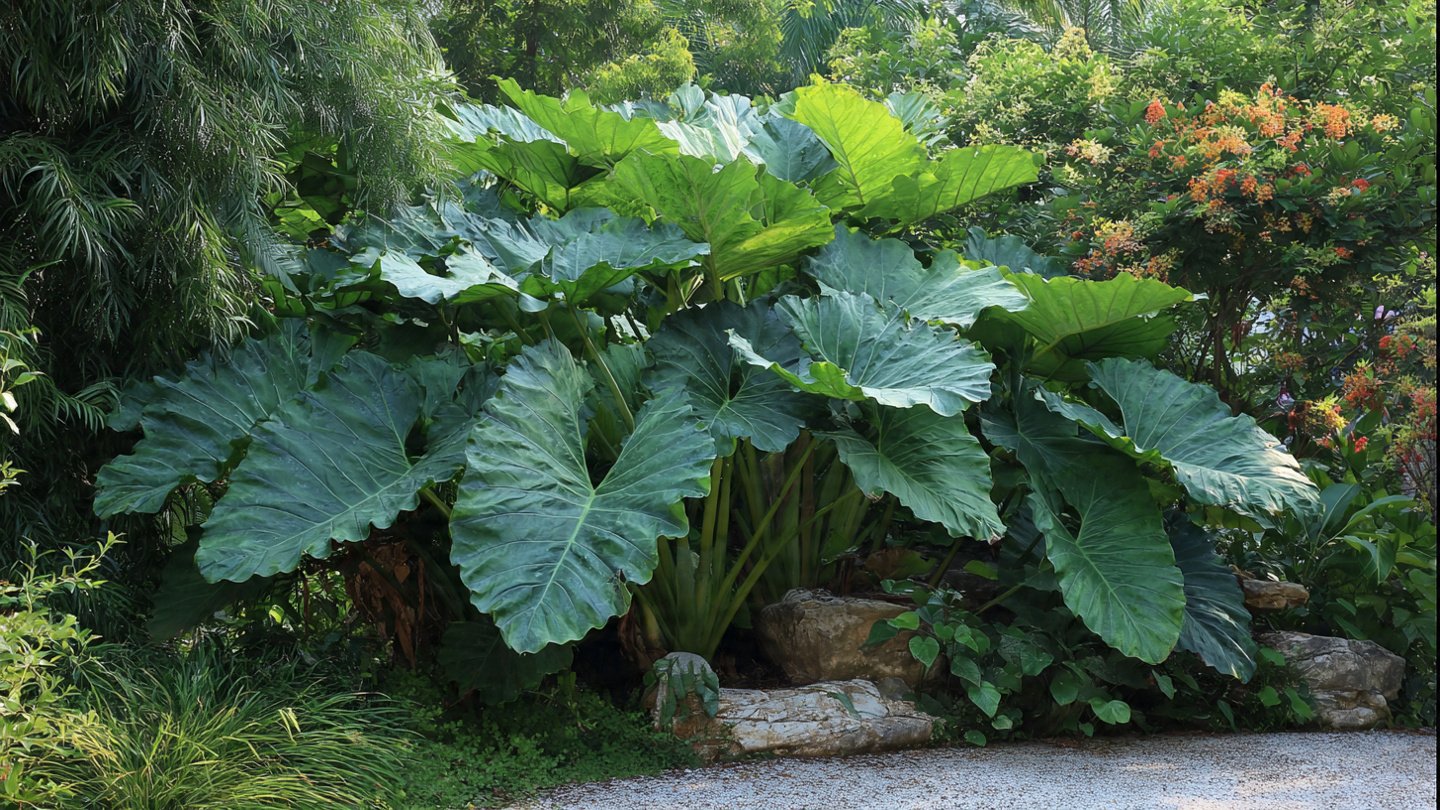
Gardening is all about creating inviting spaces, and one of the most effective ways to add excitement and visual interest to any garden is through the use of foliage. Among the most compelling options available to gardeners are Elephant Ear plants (Alocasia, Colocasia). Known for their gigantic, heart-shaped leaves, these plants not only provide a dramatic focal point but also bring a lush, tropical feel to gardens. In this article, we will explore the various aspects of growing Elephant Ear plants, including planting, care, watering, fertilizing, and pest control, ensuring your garden flourishes with these magnificent tropical wonders.
What Are Elephant Ear Plants?
Before diving into the specifics of growing Elephant Ear plants, it’s essential to understand what they are. The term “Elephant Ear” generally refers to several species belonging to the genera Alocasia and Colocasia. These plants are known for their large, striking leaves that can grow up to three feet long, making them perfect for adding a bold texture to your garden.
Alocasia typically boasts more rigid, upright leaves with a pronounced, glossy texture, suitable for indoor growth as well. Meanwhile, Colocasia varieties, such as the popular “Black Magic” and “Pink China,” tend to have broader, more heart-shaped leaves and thrive outdoors in warmer climates.
Choosing the Right Variety
Selecting the right Elephant Ear plant for your garden depends on your climate and the look you desire. Here are a few popular varieties to consider:
-
Colocasia esculenta: Often called Taro, this aquatic variety thrives in wet conditions and can be an excellent choice for water gardens.
-
Alocasia amazonica: Known for its dramatic foliage with striking veins, this variety is a favorite for both indoor and outdoor settings.
-
Colocasia ‘Black Magic’: This variety features deep purple-black leaves that create a striking contrast against lighter-colored plants.
-
Alocasia ‘African Mask’: This variety has bold, textured leaves with prominent veins, perfect for adding an exotic touch.
Planting Elephant Ear Plants
When to Plant
The best time to plant Elephant Ear tubers or seedlings is in the spring after the last frost. This timing ensures that these warm-weather plants have optimal conditions for growth throughout the growing season.
Choosing the Right Location
Elephant Ear plants thrive in locations that receive partial sun to full shade. While they can tolerate a bit of direct sunlight, too much can scorch their large leaves. Aim for a spot that receives dappled sunlight, especially during the hottest parts of the day.
Soil Requirements
These plants prefer rich, well-draining soil that retains moisture yet does not become waterlogged. A good soil mix might include:
- 40% compost
- 30% peat moss
- 30% garden soil or potting mix
This combination ensures that they have the nutrients they need while retaining enough moisture.
Planting Techniques
-
Tubers: When planting tubers, dig a hole about 6-8 inches deep. Place the tuber with the “eyes” facing upward. Cover it with soil and water thoroughly.
-
Seedlings: If starting from seedlings, dig a hole that is slightly larger than the root ball. Place the seedling in the hole, ensuring that the top of the root ball is level with the soil surface. Fill in around the root ball with soil and water well.
Watering Your Elephant Ear Plants
Elephant Ear plants thrive in consistently moist conditions, making regular watering essential. However, it’s crucial to strike a balance—overwatering can lead to root rot while underwatering can cause the leaves to wilt.
Watering Tips
-
Frequency: Water your plants at least once a week, increasing the frequency during hotter months when the soil dries out faster.
-
Method: Water at the base of the plant to avoid wetting the leaves, which can lead to fungal diseases.
-
Mulching: Apply a thick layer of mulch around the base to help retain moisture and suppress weeds. Organic mulch such as shredded bark or straw works well.
Fertilizing Elephant Ear Plants
Nutrient-rich soil is vital for you to achieve the bold foliage you desire. A balanced fertilizer applied during the growing season can promote robust growth.
Fertilizing Tips
-
Type of Fertilizer: Use a slow-release, balanced fertilizer with equal parts nitrogen (N), phosphorus (P), and potassium (K) (e.g., 10-10-10).
-
Timing: Fertilize once a month during the growing season—generally from spring to early fall.
-
Application: Follow the manufacturer’s instructions for dosage and application method. Spread granules around the base of the plant and water them in well.
Pest and Disease Control
While Elephant Ear plants are generally resistant to pests, they can occasionally be susceptible to issues such as aphids, spider mites, and root rot.
Common Pests
-
Aphids: Small, green, or black insects that suck sap from plants. They can be controlled using insecticidal soap or neem oil.
-
Spider Mites: Tiny pests that create webs on the undersides of leaves. Increase humidity around the plant to deter them or use a strong jet of water to wash them off.
Diseases
-
Root Rot: Caused by overwatering, it can lead to mushy roots. Ensure proper drainage and allow the soil to dry slightly between waterings.
-
Leaf Spot: Fungal infections that cause dark spots on leaves. Remove affected leaves and ensure proper air circulation around the plant.
Prevention
Regularly inspecting your plants for signs of pests or disease can help catch any issues early. Also, maintaining adequate air circulation and ensuring proper watering practices are essential preventive measures.
Winter Care
In regions where temperatures drop below freezing, it’s essential to prepare your Elephant Ear plants for winter. Both Alocasia and Colocasia can be sensitive to frost.
For Colocasia:
-
Location: If planted in the ground, dig up tubers before the first frost, keeping them intact with some soil.
-
Storage: Store them in a cool, dry place in a cardboard box or paper bag, ensuring they stay dry.
For Alocasia:
-
Indoor Transition: Alocasia varieties can often survive indoors. Move them indoors before frost and provide bright indirect light.
-
Temperature: Keep indoor temperatures above 60°F (15°C) to prevent damage.
Design Ideas and Placement Tips
Incorporating Elephant Ear plants into your garden design can elevate your landscape. Here are some creative ideas:
-
Focal Points: Use them as standalone specimens in larger pots or beds to create dramatic visual statements.
-
Borders: Plant them along the edge of beds for a lush, tropical feel. Pair them with plants that have contrasting colors and textures.
-
Water Features: Place Colocasia around ponds or water features to enhance the aquatic atmosphere while keeping their roots moist.
-
Mixing with Other Plants: Combine with other tropical foliage plants like Cannas or Hawaiian Ti plants for a rich, layered look.
Conclusion
Growing Elephant Ear plants can be a gratifying endeavor, allowing you to create unforgettable garden spaces filled with texture and drama. Their striking foliage, coupled with relatively easy care requirements, makes them accessible for gardeners of all levels.
With the right planting techniques, care, and attention to pests and diseases, you can create a lush, tropical oasis that draws the eye and invites admiration. Whether as focal points, border plants, or companions to other tropical species, Elephant Ear plants can undoubtedly add a distinctive touch to your garden, transforming any area into a verdant retreat. Embrace the boldness of these magnificent plants, and watch your garden come to life!