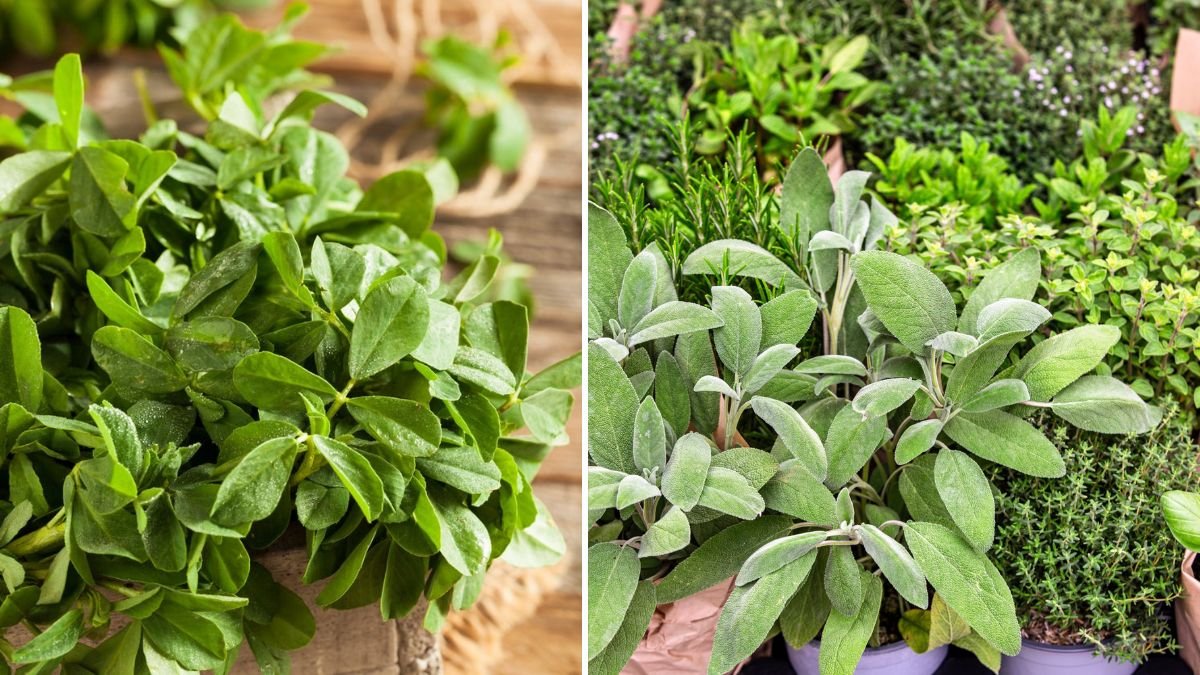
Fenugreek (Trigonella foenum-graecum), a versatile herb, is commonly used in cooking and has numerous health benefits. With its distinctive flavor, it enhances curries, soups, and salads. Fenugreek greens are nutritious, packed with vitamins A, C, and K, and minerals like iron, calcium, and magnesium. Growing fenugreek greens without soil, also known as hydroponic gardening, is a sustainable and innovative approach to indoor gardening that can yield fresh, flavorful greens year-round. This article will explore how to cultivate fenugreek greens hydroponically, covering everything from setup to maintenance and harvesting.
1. Benefits of Growing Fenugreek Greens Hydroponically
1.1 Sustainability
Hydroponic gardening eliminates the need for traditional soil, which can deplete ecosystems and require large amounts of water and space. By growing fenugreek greens indoors, you’re minimizing your carbon footprint and contributing to a sustainable food system.
1.2 Nutritional Value
Fenugreek is known for its high nutrient profile. Regular consumption can aid digestion, support weight loss, and improve blood sugar control. Growing your own fenugreek greens ensures you have fresh, pesticide-free produce at your fingertips.
1.3 Space Efficiency
Hydroponically grown plants require significantly less space than traditional gardens. This makes it ideal for urban dwellers or those with limited gardening space.
2. Setting Up Your Hydroponic Garden
2.1 Materials Needed
Before you start, gather the following materials:
- Growing Containers: Net pots, memory foam, or seed trays suitable for hydroponic systems.
- Growing Medium: Coconut coir, rock wool, or hydroton (expanded clay pellets) work well.
- Nutrient Solution: Hydroponic nutrient mixes specifically formulated for leafy greens.
- Water: Clean, preferably distilled or filtered water.
- Light Source: LED grow lights, especially if natural sunlight is insufficient.
- pH Test Kit: To maintain optimal pH levels.
2.2 Choosing the Right Location
Select a location with adequate light and temperature control. Fenugreek grows best at temperatures between 60°F and 75°F (15°C to 24°C) and requires around 12-14 hours of light per day. If natural sunlight isn’t sufficient, consider using grow lights that provide a full spectrum of light for healthy growth.
3. Step-by-Step Growing Process
3.1 Germination
-
Soak the Seeds: Start by soaking fenugreek seeds in water for 4-6 hours. This helps to speed up the germination process.
-
Prepare the Medium: Place your chosen growing medium in the containers. If using net pots, fill them with rock wool or coconut coir.
-
Plant the Seeds: Once soaked, distribute the seeds evenly on top of the growing medium. Cover them lightly with the medium, ensuring they are not buried too deep.
-
Watering: Mist the seeds with water to keep the medium moist. Avoid overwatering, which can lead to rot.
3.2 Nutrient Solution
Once the seeds begin to germinate (typically in 4-7 days), it’s essential to introduce a balanced nutrient solution. Start with a diluted nutrient mix, gradually increasing the dosage as the plants grow. The optimal pH for fenugreek is between 6.0 and 7.0.
-
Create the Solution: Mix the hydroponic nutrient solution with water, following the manufacturer’s instructions.
-
Application: Carefully pour the solution into your containers without disturbing the young seedlings. Use a spray bottle for gentle application.
3.3 Light and Temperature
Ensure your plants receive adequate light (12-14 hours per day) and maintain optimal temperatures. If using grow lights, position them 6 to 12 inches above the plants, adjusting as they grow taller.
3.4 Maintenance
-
Watering: Monitor the moisture levels, topping up the nutrient solution as needed. Ensure the plants aren’t waterlogged.
-
Pruning: As the fenugreek grows, thin out extra seedlings to prevent overcrowding. This promotes better air circulation.
-
Watch for Pests: Hydroponics reduces pest infestations, but remain vigilant. If you notice any signs of pests, employ natural remedies to manage them, such as neem oil.
4. Harvesting Fenugreek Greens
Fenugreek greens typically take about 20 to 30 days to mature, depending on growing conditions. Here’s how to harvest:
-
Timing: Wait until the plants are about 6 inches tall. At this stage, they will have developed enough leaves for a good harvest.
-
Method: Use clean scissors to snip the leaves just above the base. This encourages new growth and allows for a second harvest.
-
Frequency: You can harvest every couple of weeks, depending on growth and personal needs.
4.1 Storing Fenugreek Greens
Freshly harvested fenugreek greens can be stored in the refrigerator in a sealed container for about a week. Rinse them with water before use to maintain freshness.
5. Troubleshooting Common Issues
5.1 Wilting Leaves
If your fenugreek leaves are wilting, this may indicate overwatering or underwatering. Check the moisture levels in your growing medium and adjust your watering routine accordingly.
5.2 Yellowing Leaves
Yellow leaves can signal nutrient deficiencies, particularly nitrogen. Ensure your nutrient solution is balanced and suitable for leafy greens.
5.3 Slow Growth
If your plants are growing slowly, check their light exposure and ensure they are getting enough light for their growth stage. Also, confirm the pH and nutrient levels are optimal.
FAQs
1. How long does it take to grow fenugreek greens hydroponically?
Fenugreek greens usually take 20-30 days to grow from seed to harvest under optimal conditions.
2. Can I reuse the growing medium?
Yes, some growing mediums like coconut coir can be reused after sterilization. However, it’s advisable to use fresh medium for new crops to prevent disease.
3. Do fenugreek greens require specific light conditions?
Yes, fenugreek plants thrive under 12-14 hours of light per day. If natural light is insufficient, LED grow lights can provide the necessary spectrum for healthy growth.
4. What type of nutrient solution should I use?
Use a hydroponic nutrient solution designed for leafy greens. These are usually well-balanced and easy to find at gardening or online stores.
5. Is it difficult to grow fenugreek hydroponically?
Hydroponic gardening is relatively easy, especially with herbs like fenugreek. With careful monitoring of water, light, and nutrients, you can successfully cultivate your own greens indoors.
6. Can I grow fenugreek without any grow lights?
While it’s possible to grow fenugreek without grow lights, you’ll need a sunny spot that receives plenty of natural sunlight for at least 12 hours a day. Otherwise, growth may be slow or inadequate.
Conclusion
Growing fenugreek greens hydroponically is a rewarding, sustainable, and space-efficient method that allows you to enjoy fresh, nutritious herbs year-round. With a little preparation and care, you can cultivate these flavorful greens right in your home. Start small, learn the ropes, and soon you’ll be reaping the health benefits of your successful indoor garden.