
Guava is one of the most delicious and nutritious tropical fruits, loved for its sweet aroma, unique flavor, and high vitamin content. Growing guava at home is not only rewarding but also surprisingly easy—even for beginners. With the right soil, sunlight, and care, a guava tree can thrive in a backyard, balcony, or even a large pot.
Unlike many fruit trees that require specialized techniques, guava trees grow vigorously and tolerate a wide range of conditions. Whether you plant from seeds, cuttings, or grafting, you can enjoy fresh guavas within a few years—sometimes even earlier if propagated correctly.
This 1200-word guide covers everything you need to know about guava cultivation, including ideal conditions, planting methods, soil preparation, watering, pruning, pest control, and harvesting.
Why Grow Guava at Home?
Guava trees offer numerous advantages:
- ✔ Highly nutritious fruit
- ✔ Strong aroma and flavor
- ✔ Easy to grow
- ✔ Can thrive in pots or ground
- ✔ Low maintenance
- ✔ Produces fruit throughout the year (in tropical climates)
- ✔ Great for beginners
A single guava tree can produce hundreds of fruits annually, making it an excellent choice for home gardens.
1. Choose the Right Variety
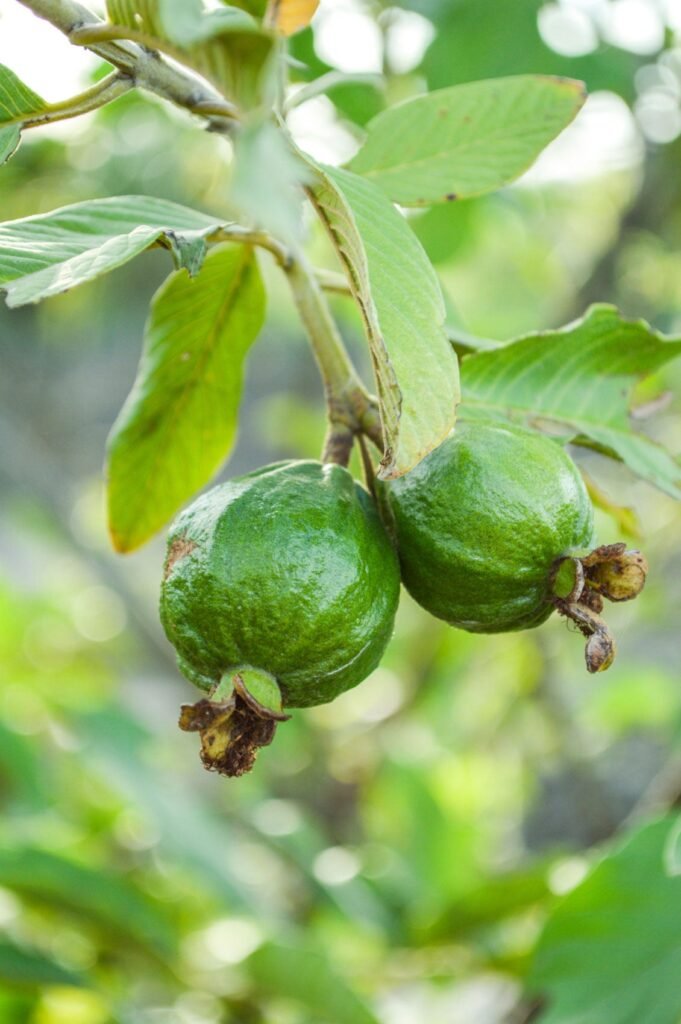
Guava comes in many varieties, each with unique flavor and size.
Popular varieties:
- Allahabad Safeda – sweet, white flesh
- Lucknow 49 – aromatic, soft
- Red Guava – antioxidant-rich
- Thai Guava – crisp and sweet
- Pear Guava – elongated shape
Choose varieties suited to:
- Climate
- Space
- Fruit taste preference
2. Best Climate for Guava Trees
Guava trees grow best in:
- Warm climates
- Subtropical areas
- Tropical regions
Temperature range:
- 15°C to 35°C
Guava tolerates:
- Heat
- Mild frost
- Drought
- Humidity
But it performs best with full sunlight and good airflow.
3. Choose the Best Location
Guava trees need full sun, at least:
- 6–8 hours per day
Shady areas reduce flowering and fruiting.
✔ Good airflow
Prevents fungal diseases.
✔ Space
Guava trees can grow:
- 10–15 ft tall
- Wide canopy
If space is limited:
- Grow in pots
- Prune regularly
4. Methods to Grow Guava
Guava can be propagated through:
- Seeds
- Cuttings
- Air layering
- Grafting (best for quality fruit)
- Root suckers
Let’s explore each method.
Method 1: Growing Guava from Seeds
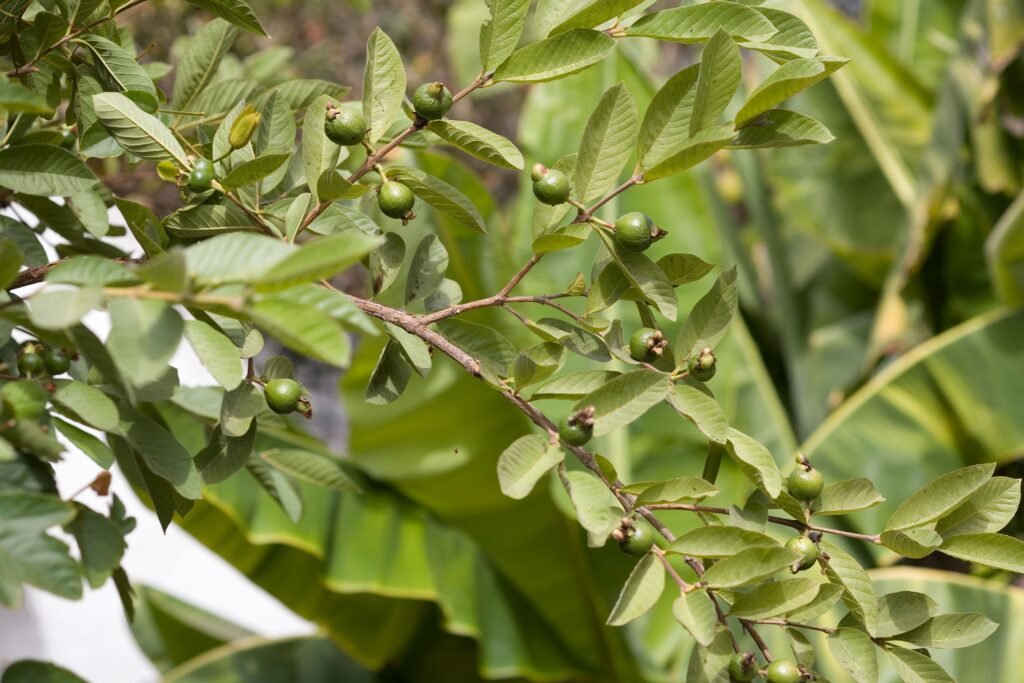
Seeds are easy but not ideal for fruit quality.
Steps:
- Choose ripe guava
- Remove seeds
- Clean and dry
- Sow shallow
- Water gently
- Keep warm
Seeds sprout in:
- 2–4 weeks
Advantages:
- Easy
- Lots of plants
- Good for learning
Disadvantages:
- Fruits vary
- Takes 4–6 years
- Weak roots
Method 2: Guava Cuttings (Easy & Fast)
Cuttings produce plants identical to parent.
Best for beginners
Steps:
- Choose a semi-hardwood branch
- Cut 6–8 inches
- Remove lower leaves
- Dip in rooting hormone
- Plant in moist soil
- Cover with plastic
- Keep in shade
Roots form in:
- 4–6 weeks
Method 3: Air Layering (Highly Successful Method)
Air layering is one of the best ways to propagate guava.
Advantages:
- High success rate
- Strong roots
- Early fruiting
- Identical fruit quality
Air Layering Steps
- Select a healthy branch
- Remove a ring of bark
- Apply rooting hormone
- Wrap with moist moss
- Cover with plastic
- Wait 4–8 weeks
- Cut and plant
Roots develop while branch remains intact.
Method 4: Grafting (Professional Technique)
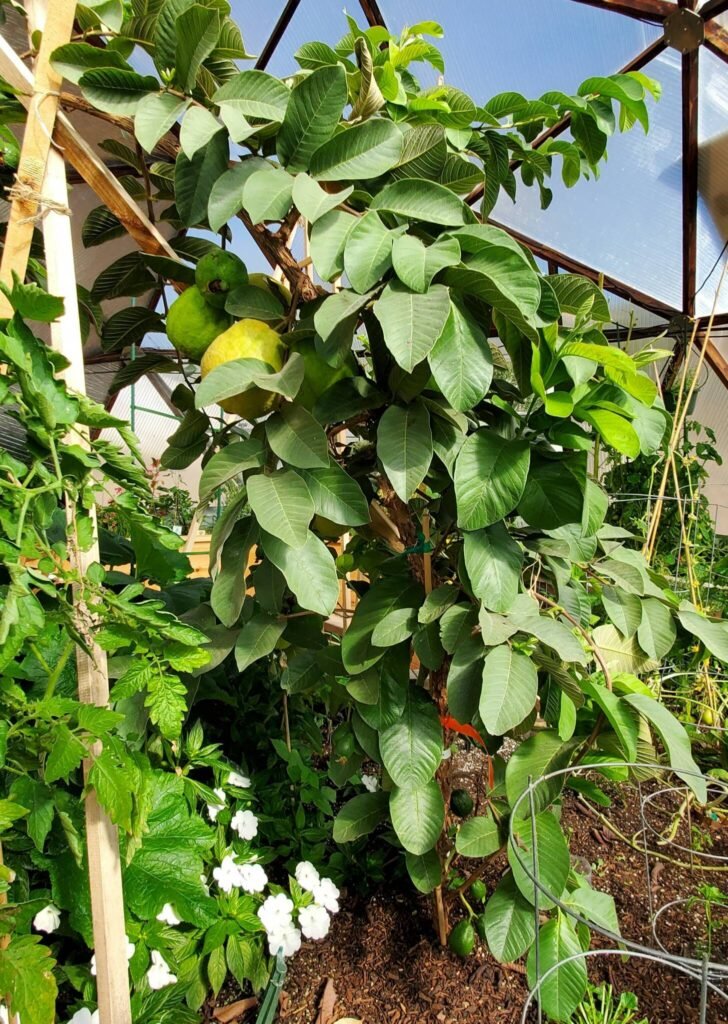
Grafting produces:
- Disease-resistant trees
- Early fruiting
- Consistent fruit
- Strong roots
Common methods:
- Bud grafting
- Cleft grafting
Best used for high-quality fruit varieties.
🪴 5. Planting Guava Saplings
Whether you grow from nursery or propagate yourself:
Dig a hole:
- 2 ft wide
- 2 ft deep
Soil mixture:
- 40% garden soil
- 40% compost
- 20% sand
Planting steps:
- Place sapling
- Fill soil
- Water deeply
- Mulch
Mulch helps retain moisture.
6. Watering Requirements
Guava needs moderate watering.
Young plants:
- 2–3 times per week
Mature plants:
- Once per week
During fruiting:
- Reduce watering
- Concentrates sweetness
Avoid:
- Waterlogging
- Wet soil
- Standing water
Roots rot easily in soggy soil.
7. Fertilizing Guava Trees
Guava responds well to organic fertilizers.
Recommended:
- Vermicompost
- Well-rotted manure
- Banana peel fertilizer
- Neem cake
- Bone meal
Apply:
- Every 45 days
- During flowering
- During fruit formation
Nutrients:
- Nitrogen → leaf growth
- Phosphorus → roots & flowers
- Potassium → fruit quality
Avoid excess nitrogen → causes leafy growth.
8. Pruning Guava Trees
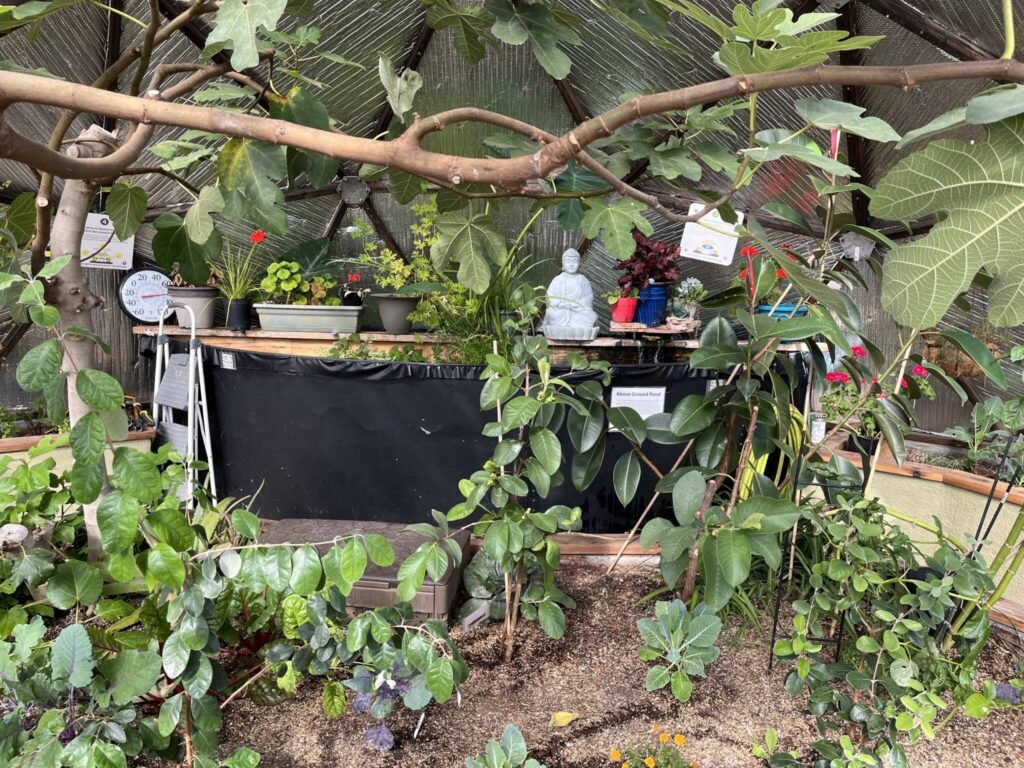
Pruning helps:
- Shape the tree
- Remove diseased wood
- Improve airflow
- Increase fruiting
- Control height
When to prune:
- After harvest
- During winter
Remove:
- Weak branches
- Crossing branches
- Dead wood
- Diseased parts
Keep:
- Strong framework
- Fruit-bearing branches
9. Flowering and Fruiting
Guava trees flower throughout the year in warm climates.
Flowers appear:
- In clusters
- Small white
- Sweet-smelling
Fruit sets after pollination.
10. Harvesting Guava
Guava is ready when:
- Skin changes color
- Fruit softens
- Aroma increases
- Seeds turn brown
Harvest by:
- Cutting with scissors
- Not pulling
Overripe guavas drop easily.
11. Pests & Diseases
Common problems:
1. Fruit flies
→ Use traps
→ Clean fallen fruits
2. Aphids
→ Soap water spray
→ Neem oil
3. Scale insects
→ Neem oil
→ Scrape gently
4. Anthracnose
→ Remove infected fruits
→ Fungicide
5. Leaf spot
→ Prune
→ Improve airflow
Early detection helps prevent spread.
12. Mulching
Mulch helps:
- Retain moisture
- Reduce weeds
- Improve soil
- Regulate temperature
Use:
- Dry leaves
- Coconut husk
- Straw
13. Sunlight Requirement
Guava needs:
- Full sunlight
- Minimum 6 hours
- Maximum 10 hours
No sunlight → no fruit.
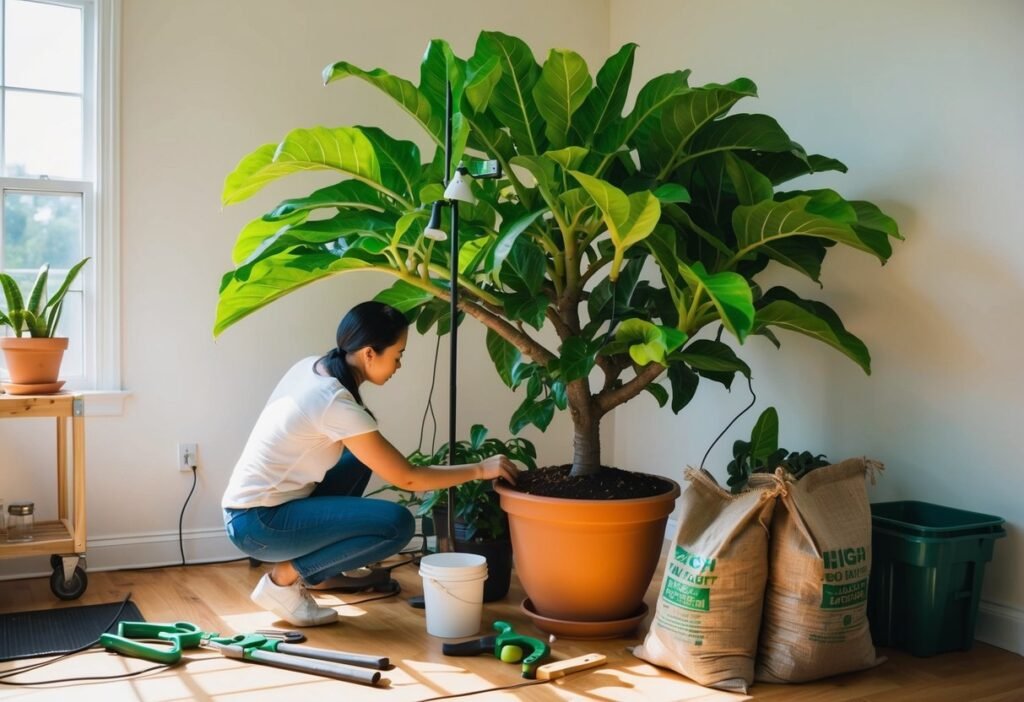
14. Growing Guava in Pots
Guava grows well in pots if:
- Pot is large (20–25 inches)
- Drainage holes exist
- Soil is well-draining
- Pruning is regular
Dwarf varieties work best.
15. How Long Until Guava Fruits?
| Propagation Method | Time |
|---|---|
| Seeds | 4–6 years |
| Cuttings | 2–3 years |
| Air layering | 1.5–2 years |
| Grafting | 1–1.5 years |
Air layering and grafting produce fruit fastest.
Final Thoughts
Growing guava at home is simple, enjoyable, and highly rewarding. With proper sunlight, soil, watering, and pruning, your guava tree will flourish and produce sweet, aromatic fruits year after year.
Whether you propagate through cuttings, air layering, or grafting, you can grow a healthy guava tree without expensive saplings.