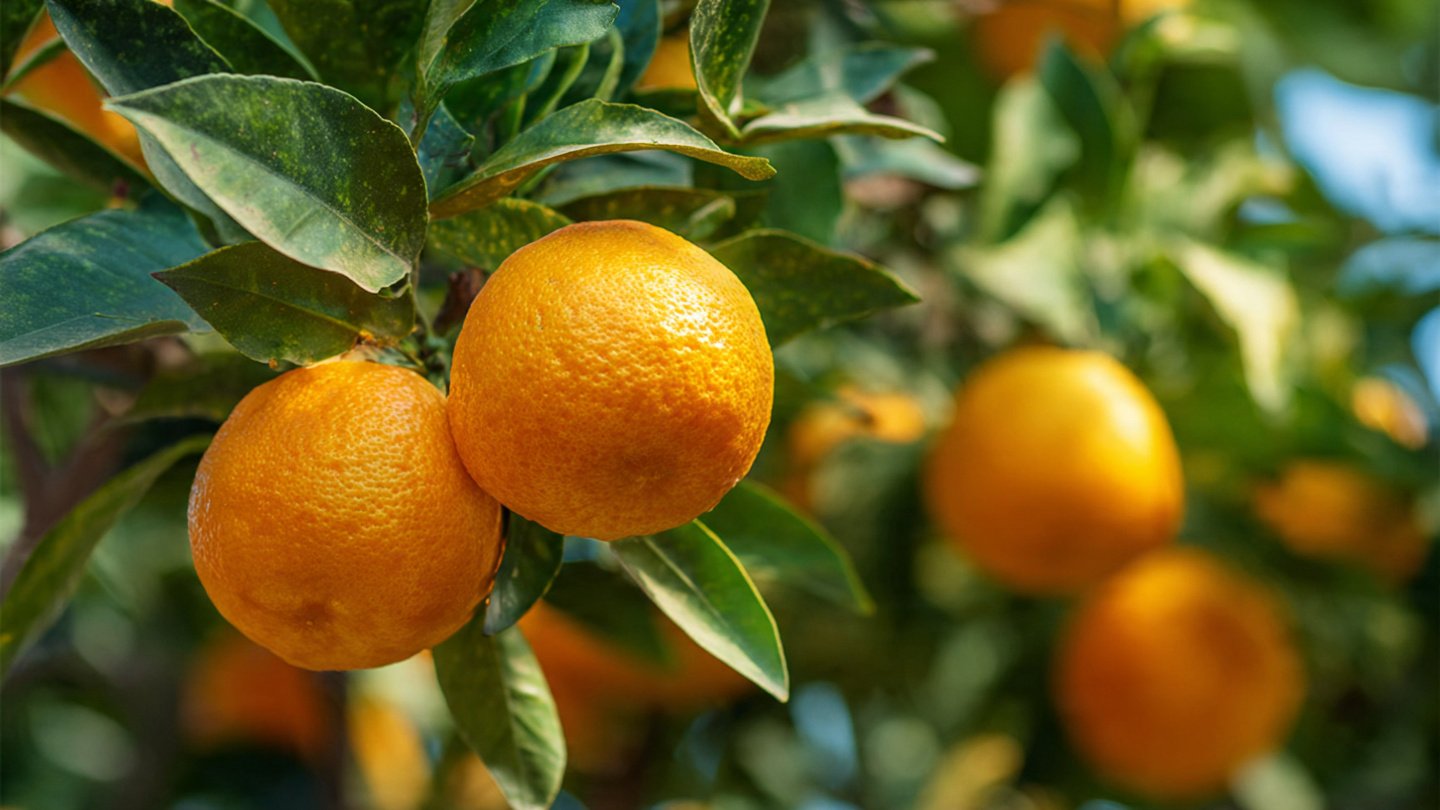
Growing juicy oranges can be a rewarding endeavor, whether you have a sprawling backyard or just a small patio. Oranges are not only delicious, they’re also incredibly nutritious, providing a good source of vitamin C, fiber, and antioxidants. To ensure your orange trees thrive and produce juicy fruit, follow these essential tips.
1. Choosing the Right Variety
Understanding Orange Varieties
The first step to successful orange growing is choosing the right variety for your climate. Here are a few popular types:
- Navel Oranges: Easy to peel and seedless, these are perfect for eating fresh.
- Valencia Oranges: Known for juicing, these are sweet and have a slightly thicker skin.
- Blood Oranges: Distinct for their red-colored flesh, these offer a unique flavor profile.
- Bergamot Oranges: These are primarily grown for their aromatic rind, used in Earl Grey tea.
Climate Considerations
Different orange varieties thrive in different climates. While most varieties prefer warmer climates (USDA zones 9-11), some can tolerate cooler temperatures. Be sure to check your local climate and select a variety that will flourish in your area.
2. Soil Preparation
Testing and Amending Soil
Oranges thrive in well-draining, slightly acidic soil with a pH between 5.5 and 6.5. Before planting, it’s advisable to conduct a soil test to gauge nutrient levels and pH.
Soil Amendments
Based on your soil test results, you may need to:
- Add sulfur or peat moss to lower pH.
- Incorporate lime to raise pH.
- Use organic matter such as compost to enrich nutrients and improve soil structure.
Drainage
Ensure proper drainage is crucial; standing water can lead to root rot. If your soil doesn’t drain well, consider building raised beds or planting in mounds.
3. Planting Your Orange Trees
Choosing the Right Location
Select a location that receives full sun for at least 8-10 hours a day. A sheltered area is ideal to protect young trees from harsh winds that can damage foliage and fruit.
Planting Procedure
-
Digging the Hole: Create a hole that is about twice as wide and as deep as the root ball.
-
Positioning the Tree: Place the tree in the center of the hole. Ensure that the graft union (the swollen area where the fruiting variety is grafted onto the rootstock) is above soil level.
-
Backfilling: Mix the removed soil with organic compost before backfilling around the tree.
-
Watering: Water the tree generously after planting to settle the soil and eliminate air pockets.
4. Watering and Fertilization
Watering Regimen
Citrus trees require consistent moisture, especially in their first year. Here are some guidelines:
- Young Trees: Water deeply once or twice a week during dry spells.
- Established Trees: Reduce frequency but ensure deep watering, especially during fruit set.
Signs of Under or Over-Watering
- Under-Watering: Leaves may become dry and curl.
- Over-Watering: Yellowing leaves, especially on the lower foliage, can be a sign of excess moisture.
Fertilization
Oranges require regular feeding to promote healthy growth.
- Timing: Fertilize in early spring, early summer, and late summer using a balanced fertilizer specifically formulated for citrus.
- Organic Options: Consider compost, aged manure, or specialized organic citrus fertilizers for added nutrients.
5. Pruning and Training
Importance of Pruning
Pruning not only shapes your trees but also encourages better air circulation and light penetration, which are essential for fruit production.
When and How to Prune
- Timing: Late winter or early spring is the best time to prune, just before the growing season.
- Technique: Remove dead or diseased branches, as well as any crossing branches that rub against each other. Aim to maintain an open center for light penetration.
6. Pest and Disease Management
Common Pest Concerns
Monitor for pests like aphids, spider mites, and scale. Here’s how to manage them:
- Preventive Measures: Encourage beneficial insects, like ladybugs, that prey on harmful pests.
- Organic Solutions: Use insecticidal soap or neem oil for pest control. Always follow the application guidelines on the product label.
Disease Prevention
Citrus trees are prone to diseases such as citrus greening and root rot. Here’s how to combat these issues:
- Citrus Greening: A bacterial infection, often spread by the Asian citrus psyllid. If detected, remove and destroy infected trees to prevent spread.
- Root Rot: Ensure good drainage and avoid over-watering to prevent this fungal issue.
7. Harvesting Your Oranges
Timing the Harvest
Navel oranges are typically ready to harvest in late winter to early spring, while Valencia oranges ripen in late summer. Fruit will not continue to ripen once harvested, so pick at peak ripeness.
Harvesting Techniques
- Gentle Clipping: Use scissors or pruning shears to cut fruit from the tree without damaging the branches or other fruits.
- Handling: Handle fruit gently to avoid bruising, and store them in a cool, shaded area.
8. Seasonal Care
Winter Protection
In colder climates, take measures to protect your orange trees during winter:
- Mulching: Add a layer of mulch around the base to insulate roots.
- Covering: Use frost cloths during unexpected cold snaps.
Summer Care
- Watering: Increase watering frequency during hot, dry spells.
- Weed Control: Regularly check for and remove weeds that compete for nutrients.
9. Additional Tips for Success
Companion Planting
Consider planting herbs, such as basil and marigold, near orange trees. They can help deter pests and attract beneficial insects.
Patience is Key
Growing citrus trees, including oranges, requires patience. It may take a few years for young trees to bear fruit, but the joy of harvesting your juicy oranges will make the wait worthwhile!
Conclusion
Growing juicy oranges is a labor of love that yields delicious rewards. From selecting the right variety and ensuring proper soil conditions to diligent care and maintenance, each step is crucial in cultivating thriving citrus trees. Following these essential tips will help you grow a bountiful harvest, allowing you to enjoy the tangy sweetness of homegrown oranges right from your backyard.
With thorough planning and dedicated care, your orange trees can become fruitful and productive plants that not only enhance your garden’s aesthetic but also provide you with fresh and nutritious fruit for years to come. Happy gardening!