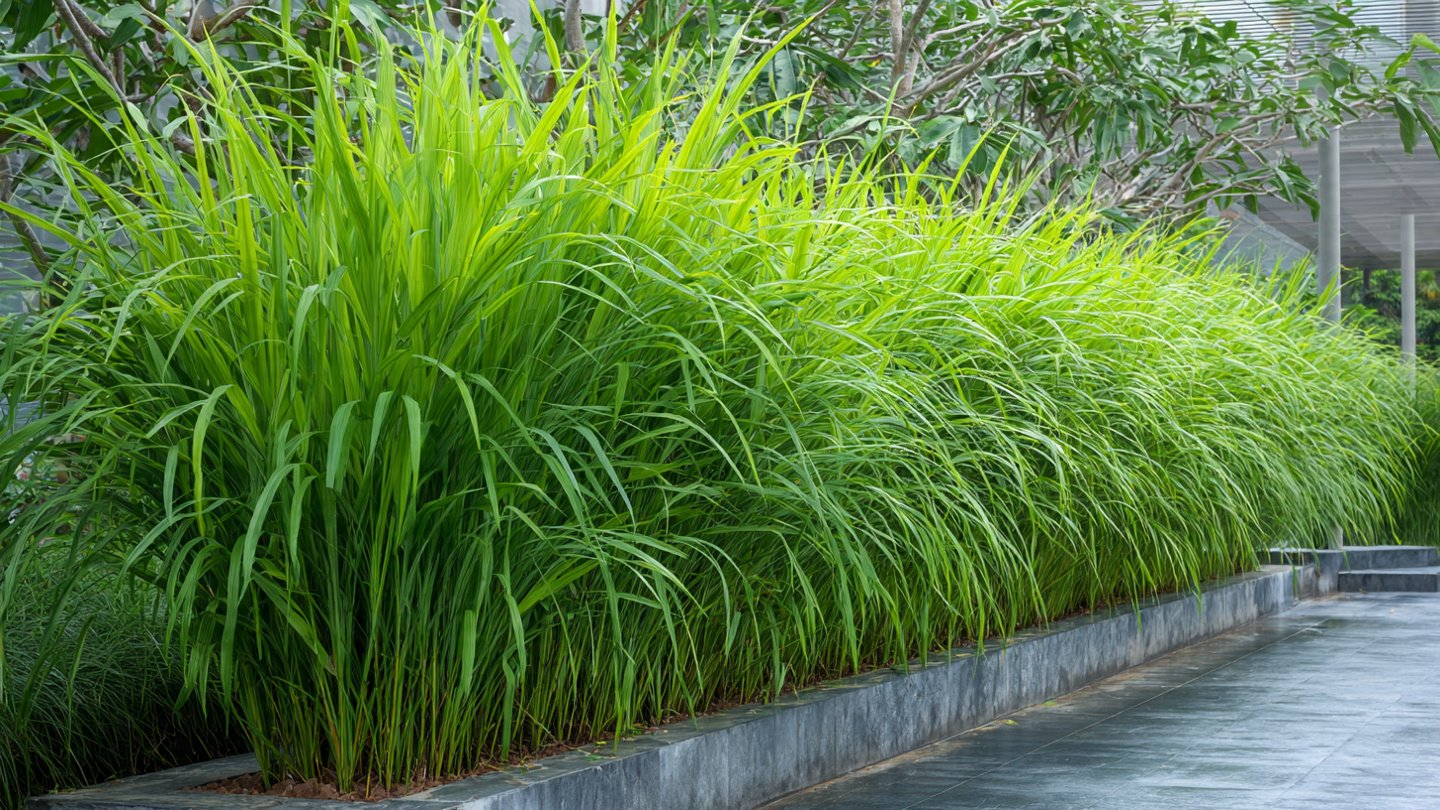
Lemongrass (Cymbopogon citratus) is a tropical grass known for its aromatic leaves and culinary uses. While it is often celebrated for its flavor in food and beverages, it can also serve as an exquisite and functional decorative border for your garden. With its tall, slender stalks and lush green foliage, lemongrass can enhance the aesthetics of your outdoor spaces while also providing a barrier for pests and an inviting atmosphere for pollinators. In this article, we will explore how to grow lemongrass as a decorative border, from choosing the right variety to cultivation tips and maintenance.
Why Choose Lemongrass as a Decorative Border?
1. Aesthetic Appeal
Lemongrass offers a striking visual element with its tall, upright growth. The fine blades create a soft, flowing effect, making it an excellent choice for borders. The vibrant green foliage remains lush throughout the growing season.
2. Aromatic Qualities
When brushed against or cut, lemongrass releases a refreshing citrus scent. The fragrance can fill your garden with a pleasant aroma and deter some pests.
3. Functional Benefits
Aside from providing beauty, lemongrass can act as a natural pest repellent. The scent is off-putting to certain insects, helping to mitigate infestations in your garden.
4. Versatile Uses
In addition to its decorative use, lemongrass is a versatile herb that can be used in cooking, teas, and even homemade skincare products. Having fresh lemongrass at hand can add value to your home and lifestyle.
Choosing the Right Lemongrass Variety
While there are many species of lemongrass, the most commonly cultivated for culinary and decorative purposes is Cymbopogon citratus. When selecting lemongrass for your border, consider the following:
1. Purchasing Options
- Seeds: Growing from seeds is possible but may take longer to germinate and establish.
- Transplants: Buying established plants from a nursery ensures quicker growth and immediate results.
- Divisions: If you have a friend or neighbor with lemongrass, asking for divisions can be a cost-effective way to start.
2. Selecting Healthy Plants
Choose plants that have deep, green foliage and no signs of pests or diseases. Healthy plants will establish faster and produce a more vibrant border.
Best Conditions for Growing Lemongrass
1. Sunlight Requirements
Lemongrass thrives in full sun, requiring at least 6-8 hours of sunlight daily. Select a location where the sun shines most of the day to ensure optimal growth.
2. Soil Type
Well-drained, nutrient-rich soil is ideal for lemongrass. Slightly acidic to neutral pH levels (between 6.0 and 7.0) are best. If your soil is compacted or has poor drainage, consider amending it with compost or organic matter.
3. Watering Needs
Lemongrass prefers consistently moist soil, but be cautious not to overwater. Water the plants when the top inch of soil feels dry. Installing a mulch layer can help retain moisture and keep weeds at bay.
4. Spacing
When planting lemongrass as a border, space the plants approximately 24-36 inches apart to allow for their upright growth and to ensure air circulation. For denser coverage, you can plant them closer, but be aware that they may compete for nutrients and water.
How to Plant Lemongrass
1. Preparation
Start by clearing the planting area of debris, weeds, and rocks. Use a garden fork to loosen the soil and mix in compost if necessary.
2. Planting Process
- From Seed: If starting from seeds, sow them in trays to get them established before transplanting. Lightly cover the seeds with soil and keep them moist until they germinate.
- From Transplants or Divisions: Dig a hole large enough to accommodate the root ball. Place the plant in the hole, ensuring that the top of the root ball is level with the soil surface. Backfill the hole and water thoroughly.
3. Initial Care
After planting, provide regular care. Water the plants well, especially in hot weather, to help them establish strong root systems. Consider using a balanced fertilizer after a few weeks to encourage healthy growth.
Maintaining Your Lemongrass Border
1. Fertilization
Lemongrass benefits from regular feeding during the growing season. Use a slow-release fertilizer or an organic option like compost tea to nourish the plants.
2. Pruning
To maintain a tidy appearance and encourage new growth, periodically trim back any brown or damaged leaves. Pruning can be done throughout the growing season but should be avoided in late fall when the plants are preparing for dormancy.
3. Pest and Disease Management
Lemongrass is relatively pest-resistant, but keep an eye out for aphids or spider mites. In case of infestation, treat with insecticidal soap or neem oil. Ensuring good air circulation can also help prevent diseases.
4. Winter Protection
In regions where winters are cold, lemongrass should be brought indoors if grown in pots. If planted in the ground, mulch heavily to protect the roots. Consider covering with frost cloth during severe cold spells.
Designing Your Garden Border
1. Incorporating Other Plants
Pair lemongrass with other herbs or flowering plants to create a visually appealing display. Consider combining it with marigolds, lavender, or other fragrant herbs that thrive in similar conditions.
2. Defining Spaces
Use lemongrass to delineate different areas of your garden, such as separating vegetable beds from ornamental spaces or creating a cozy nook for relaxation.
3. Utilizing Containers
If space is limited, lemongrass can be grown in large pots or containers. This not only allows for mobility but also adds height and structure to patios and balconies.
4. Creating an Edible Garden
Incorporate lemongrass into an edible garden design, allowing it to serve as a fragrant barrier alongside other culinary herbs and vegetables. This approach promotes biodiversity while enhancing your cooking experience.
Harvesting and Using Lemongrass
1. When to Harvest
Lemongrass can be harvested when the stalks are at least 1/2 inch thick. Harvesting can begin approximately 3-4 months after planting, typically in late summer or early fall.
2. How to Harvest
To harvest, cut the stalks at the base using clean scissors or pruners. Leave the lower part to allow for regrowth. Use fresh lemongrass in soups, salads, and beverages for its zesty flavor.
3. Preserving Lemongrass
If you have a large harvest, consider drying, freezing, or making lemongrass-infused oils. These preservation methods will allow you to enjoy the herb beyond its growing season.
FAQs about Growing Lemongrass
1. Can I grow lemongrass indoors?
Yes! Lemongrass can be successfully grown indoors as long as it gets ample sunlight (at least 6-8 hours) and is in a well-draining potting mix.
2. How often should I water lemongrass?
Water lemongrass when the top inch of the soil feels dry. It prefers consistently moist soil but dislikes standing water.
3. Is lemongrass hardy?
Lemongrass is a tropical plant and is not frost-tolerant. In colder regions, it is best to grow it in pots that can be brought inside during the winter.
4. How can I propagate lemongrass?
Lemongrass can be propagated through divisions of mature plants. Simply separate the root clumps and replant them in well-prepared soil.
5. What pests should I watch for?
Common pests include aphids and spider mites. Regular inspections and timely intervention with organic methods can help control these pests.
6. Can lemongrass survive winter?
In colder climates, lemongrass may not survive outdoor winter conditions. It should be mulched heavily, or plants should be brought indoors to protect them from frost.
Conclusion
Growing lemongrass as a decorative border in your garden is a rewarding endeavor that enhances both the visual appeal and functionality of your outdoor space. The right conditions, care, and design can turn this fragrant grass into an attractive feature that provides flavor and aroma all season long. Whether you’re a seasoned gardener or a beginner, lemongrass offers a beautiful, practical addition to any garden scheme. Embrace the process, enjoy the fragrant beauty, and savor the culinary delights that fresh lemongrass brings to your meals!