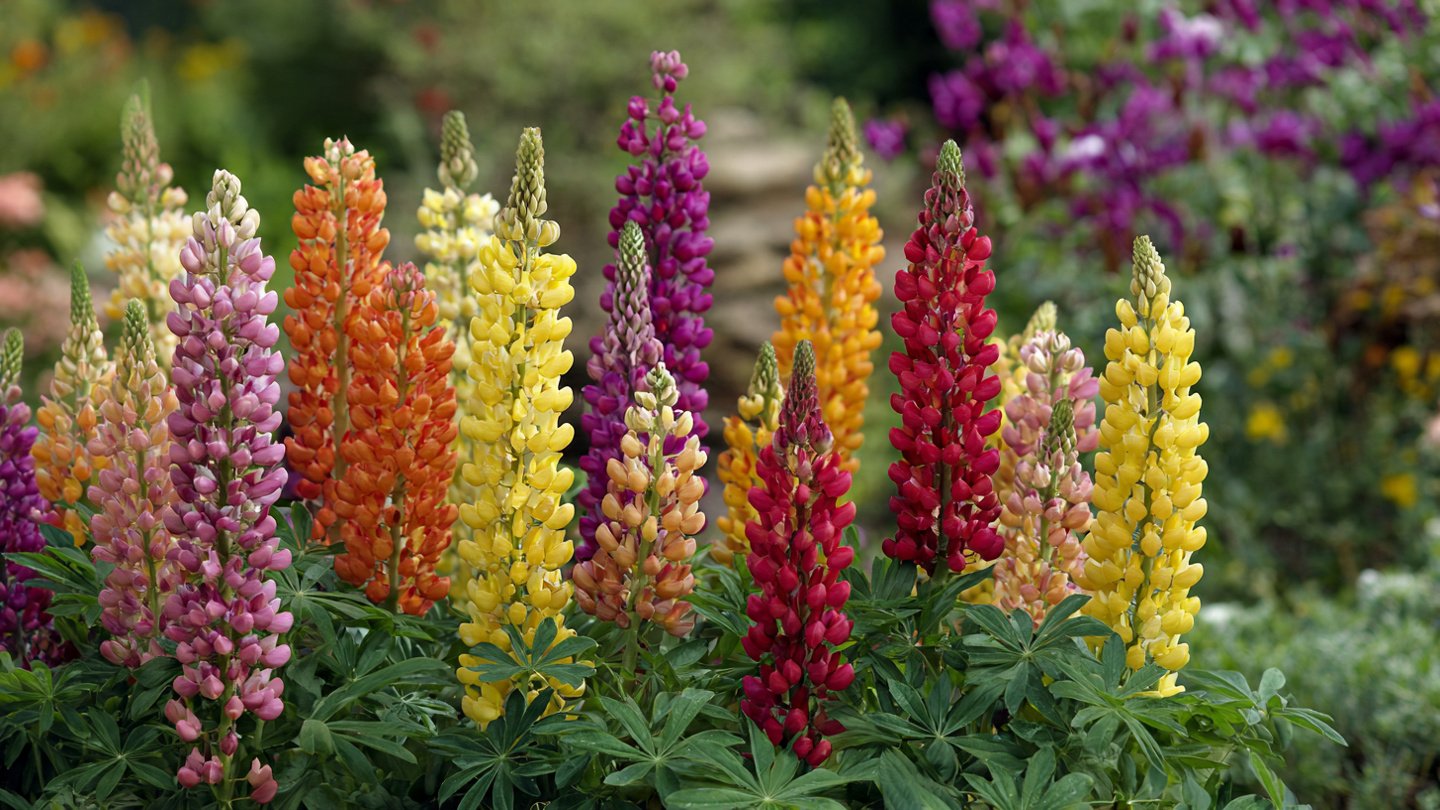
Lupins are a fantastic choice for any garden enthusiast looking to add a burst of colors and textures. With their enchanting flowers forming tall, striking spikes in various shades, they can bring both elegance and vibrancy to any outdoor space. This article provides a detailed guide on how to grow and care for these delightful plants, ensuring you achieve a stunning display in your garden.
Understanding Lupins
Lupins, belonging to the Fabaceae family, are perennial or annual plants that produce beautiful flowers resembling pea blossoms. They come in a range of colors, including purple, blue, pink, white, and even multi-colored varieties. Known for their robust height and striking floral displays, they are ideal for borders, cottage gardens, or as stand-alone features.
Benefits of Growing Lupins
- Aesthetic Appeal: Their tall and colorful flower spikes add a vertical aspect to your garden design.
- Wildlife Friendly: They attract butterflies, bees, and other beneficial insects, promoting biodiversity in your garden.
- Soil Improvement: Lupins have a nitrogen-fixing ability, which helps improve soil fertility.
Choosing the Right Variety
Before planting, it’s essential to choose the right lupin variety for your garden. Some popular varieties include:
- Lupinus polyphyllus (the common perennial lupin): Known for its tall flower spikes and vibrant colors.
- Lupinus arboreus (tree lupin): A shorter variety, it has a more shrub-like appearance and is excellent for coastal areas.
- Lupinus perennis: Native to North America, this variety features a lovely blue flower and is suitable for wildflower gardens.
Growing Conditions
1. Soil Requirements
Lupins thrive in well-drained, sandy to loamy soils. They prefer slightly acidic to neutral pH levels (around 6.0 to 7.0). It’s essential to ensure good drainage, as they dislike soggy conditions. To improve soil drainage, consider mixing in organic matter like compost or well-rotted manure.
2. Light
Lupins prefer full sun, meaning they need at least 6 hours of direct sunlight each day. However, they can tolerate light shade, particularly in hotter climates.
3. Water
These plants appreciate regular watering, especially during dry spells. However, avoid over-watering, as this can lead to root rot. The soil should remain consistently moist but not waterlogged.
4. Temperature and Climate
Lupins are adaptable and can grow in various climates. However, they prefer temperate conditions and may struggle in extremely hot or humid environments. They are cold hardy and can survive frost.
Planting Lupins
1. Timing
The best time to sow lupin seeds is in the spring after the last frost. If you live in a mild climate, you may also sow them in fall.
2. Seed Sowing
- Preparation: Soak the seeds overnight in water to enhance germination.
- Site Selection: Choose a sunny garden bed with well-drained soil.
- Spacing: Plant the seeds about 1 inch deep and space them 12 to 18 inches apart to allow for growth.
- Watering: After sowing, water the area gently to avoid displacing the seeds.
3. Transplanting Seedlings
If starting indoors, transplant seedlings outdoors once they have a few true leaves and the danger of frost has passed. When moving seedlings, handle them carefully to avoid disturbing the roots. Plant them at the same depth they were growing in their pots.
Care and Maintenance
1. Fertilization
Lupins are low-maintenance plants that do not require heavy fertilization. A light application of a balanced fertilizer in early spring can boost growth, but avoid high-nitrogen fertilizers as they can lead to excessive foliage with fewer flowers.
2. Weed Control
Keeping the area around lupins clear of weeds is essential. Weeds compete for nutrients and water. Hand-pulling is recommended to avoid damaging the shallow root system of the lupins.
3. Watering
Regular watering is crucial, especially during dry spells. However, allow the top inch of soil to dry out before watering again to prevent over-saturation.
4. Deadheading and Pruning
To promote more blooms, deadhead spent flowers regularly. This encourages the plant to produce additional flowers rather than going to seed. At the end of the growing season, cut back the foliage to about 6 inches above the ground to promote healthy growth for the next season.
Pests and Diseases
Common Pests
- Aphids: These tiny insects can be controlled by spraying a strong stream of water on them or using insecticidal soap.
- Slugs and Snails: Use barriers or organic slug bait to deter these pests.
Common Diseases
- Powdery Mildew: This fungal disease can affect lupins, especially in humid conditions. Ensure good air circulation and avoid overhead watering to prevent this issue.
- Root Rot: Caused by overly wet soil; ensure proper drainage to avoid this problem.
Propagation
Lupins can be propagated through seeds or division. If you want to increase your stock:
- Seeds: Collect seeds from the flower spikes after they dry and plant them as previously mentioned.
- Division: In early spring or fall, dig up mature plants carefully and divide them, ensuring each division has roots and shoots. Replant immediately to minimize shock.
Seasonal Care
1. Spring
- Start monitoring for pests and diseases.
- Fertilize and prepare the soil for growth.
2. Summer
- Water thoroughly, especially during dry spells.
- Deadhead spent blooms to promote new growth.
3. Fall
- Collect seeds for the next season.
- Cut back the foliage to encourage healthy spring growth.
4. Winter
- In colder climates, apply mulch around the base to protect the roots from freezing temperatures.
Designing with Lupins
Incorporating lupins into your garden design can create stunning visuals:
- Borders: Plant lupins in groups along pathways or borders for a rustic look.
- Cottage Gardens: Mix lupins with other perennial flowers like delphiniums and poppies for a whimsical and colorful display.
- Containers: Smaller varieties work beautifully in pots on patios or balconies.
Troubleshooting
1. Stunted Growth
If lupins are not thriving, consider checking soil conditions. They may need better drainage or aeration.
2. Fewer Flowers
Ensure adequate light, as limited sun exposure can lead to reduced flowering. Also, check if you are using too much nitrogen in fertilizers.
Conclusion
Growing lupins can be a rewarding experience, enhancing the beauty of any garden landscape. With their imposing height, vibrant colors, and ability to attract wildlife, they are a perfect addition for any gardener looking to create a stunning outdoor display. By following the guidelines in this article, you can successfully cultivate these magnificent plants and enjoy a vibrant garden full of life and color. Whether you’re planting them for personal enjoyment or to attract beneficial wildlife, lupins are sure to brighten your outdoor space for years to come.