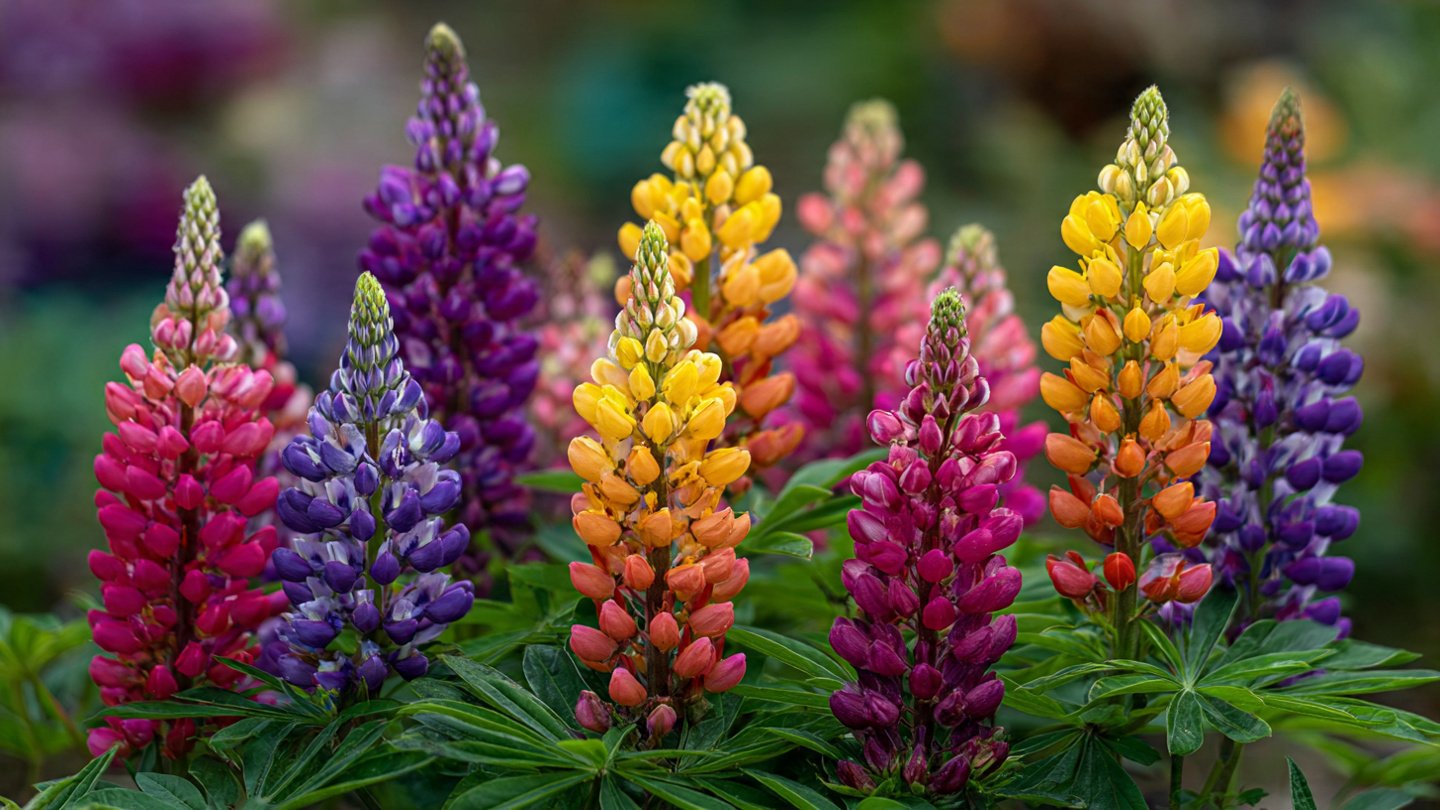
Lupins, with their tall, striking spikes of colorful flowers, can transform any garden into a vibrant celebration of nature. Known for their impressive height and variety of hues, these cool-season blooms are perfect for creating a stunning backdrop or a focal point in your garden design. In this article, we’ll explore how to grow lupins successfully, ensuring that they thrive and contribute to your garden’s beauty.
Understanding Lupins
Lupins belong to the Leguminosae family and primarily thrive in cooler climates. They are native to areas with a temperate climate and are characterized by their tall flower spikes, usually appearing in blue, purple, white, pink, and yellow shades. Besides being visually appealing, lupins are also beneficial to the soil, as they fix nitrogen and improve soil fertility.
Benefits of Growing Lupins
-
Aesthetic Appeal: The vibrant flower spikes can reach heights of up to 4 feet, making them an excellent choice for borders and focal points.
-
Soil Improvement: As a legume, lupins can enhance soil fertility by fixing nitrogen, benefiting nearby plants.
-
Wildlife Attraction: These flowers attract bees and butterflies, contributing to local biodiversity.
Choosing the Right Variety
Before planting, it’s essential to choose the right lupin variety for your garden. Some popular options include:
-
Lupinus polyphyllus: Known for its large flower spikes and wide range of colors, this species is a favorite among gardeners.
-
Lupinus arboreus: With a more bushy appearance, these lupins thrive in coastal areas.
-
Lupinus nootkatensis: These are often found in alpine regions and can add a unique touch to gardens.
-
Lupinus perennis: The native blue lupin is perfect for naturalized areas and attracts a variety of pollinators.
Site Selection and Preparation
Choosing the Right Location
Lupins prefer full sun to partial shade, so choose a location that receives at least six hours of sunlight daily. If you live in a particularly warm climate, some afternoon shade can protect them from the intense heat.
Soil Preparation
Lupins thrive in well-draining, slightly acidic to neutral soil (pH 6.0 to 7.0). Here’s how to prepare your soil:
-
Clear the Area: Remove any weeds, rocks, or debris from the designated planting area.
-
Test Your Soil: Consider using a pH testing kit to determine your soil’s acidity.
-
Amend the Soil: If necessary, amend the soil with organic matter such as compost or well-rotted manure. This will improve soil texture and drainage.
-
Tilling: Loosen the soil to a depth of about 12 inches to facilitate root growth.
Planting Lupins
Seeds vs. Transplants
You can start lupins from seeds or purchase young plants from a nursery.
- Seeds: Starting from seeds is cost-effective but requires patience.
- Transplants: Buying young plants can provide quicker results and a flowering display in the same season.
Planting Seeds
If you choose to start from seeds, follow these steps:
-
Scarification: Lupin seeds have a hard coating, so it’s beneficial to scarify them. You can do this by soaking them in water for 12-24 hours or gently scratching them with sandpaper.
-
Sowing: Plant seeds about 1 inch deep and 12-18 inches apart.
-
Timing: Sow seeds in early spring, as lupins prefer cooler temperatures. Additionally, you can plant them in late summer for a fall bloom.
Planting Transplants
If you opt for transplants:
-
Spacing: Plant them 12-18 inches apart in prepared soil.
-
Depth: Ensure that the plant’s crown is even with the soil surface.
Watering After Planting
After planting, water the area thoroughly to settle the soil. Maintain consistent moisture during the germination period but avoid overwatering, as soggy soil can lead to root rot.
Care and Maintenance
Watering
Lupins prefer consistently moist but well-drained soil. Water them when the top inch of soil feels dry, especially during dry spells. Be mindful of overwatering, which can cause fungal diseases.
Fertilization
While lupins can fix their nitrogen, a little extra nourishment can promote flowering:
-
Balanced Fertilizer: Use a balanced fertilizer (10-10-10) once in early spring as new growth begins.
-
Organic Options: Alternatively, you can use compost or well-rotted manure.
Pruning and Deadheading
-
Pruning: Remove any dead or diseased leaves throughout the growing season to encourage healthy growth.
-
Deadheading: Once blooms begin to fade, deadhead the spent flowers to promote more blooms and prevent self-seeding.
Pest and Disease Management
Lupins are generally hardy but can face some challenges:
-
Pests: Watch out for aphids and slugs. You can control aphids by spraying them off with water and use barriers or traps for slugs.
-
Diseases: Powdery mildew and root rot can afflict lupins. Ensure proper spacing for air circulation and avoid overhead watering to mitigate these issues.
Harvesting Seeds for Future Plantings
Once your lupins have produced seed pods, you can collect seeds for future plantings. Allow the pods to dry on the plant, then harvest when they turn brown and brittle. Store seeds in a cool, dry place until you are ready to plant them next season.
Creating a Vibrant Design with Lupins
To maximize the visual impact of lupins in your garden, consider these design tips:
-
Grouping: Plant lupins in clusters for a stunning visual effect. A group of three to five plants of the same color can make a bold statement.
-
Complementary Plants: Pair lupins with other cool-season flowers like delphiniums, hollyhocks, or even ornamental grasses to create texture and layering.
-
Color Mixing: Create a rainbow effect by mixing different colors of lupins together. This can create a lively, cheerful garden.
-
Vertical Interest: Use lupins at the back of a flower bed or mixed-border to add height and drama.
Conclusion
Growing lupins can be a rewarding experience for any gardener looking to inject vibrancy and elegance into their outdoor space. With their unique beauty and environmental benefits, lupins are well worth the effort. By understanding their needs, from soil preparation to care and maintenance, you can cultivate a stunning display that will bloom year after year, enhancing your garden’s appeal.
Remember, gardening is as much about patience and care as it is about planting. Enjoy the process and the beauty that comes with nurturing these magnificent cool-season flowers!