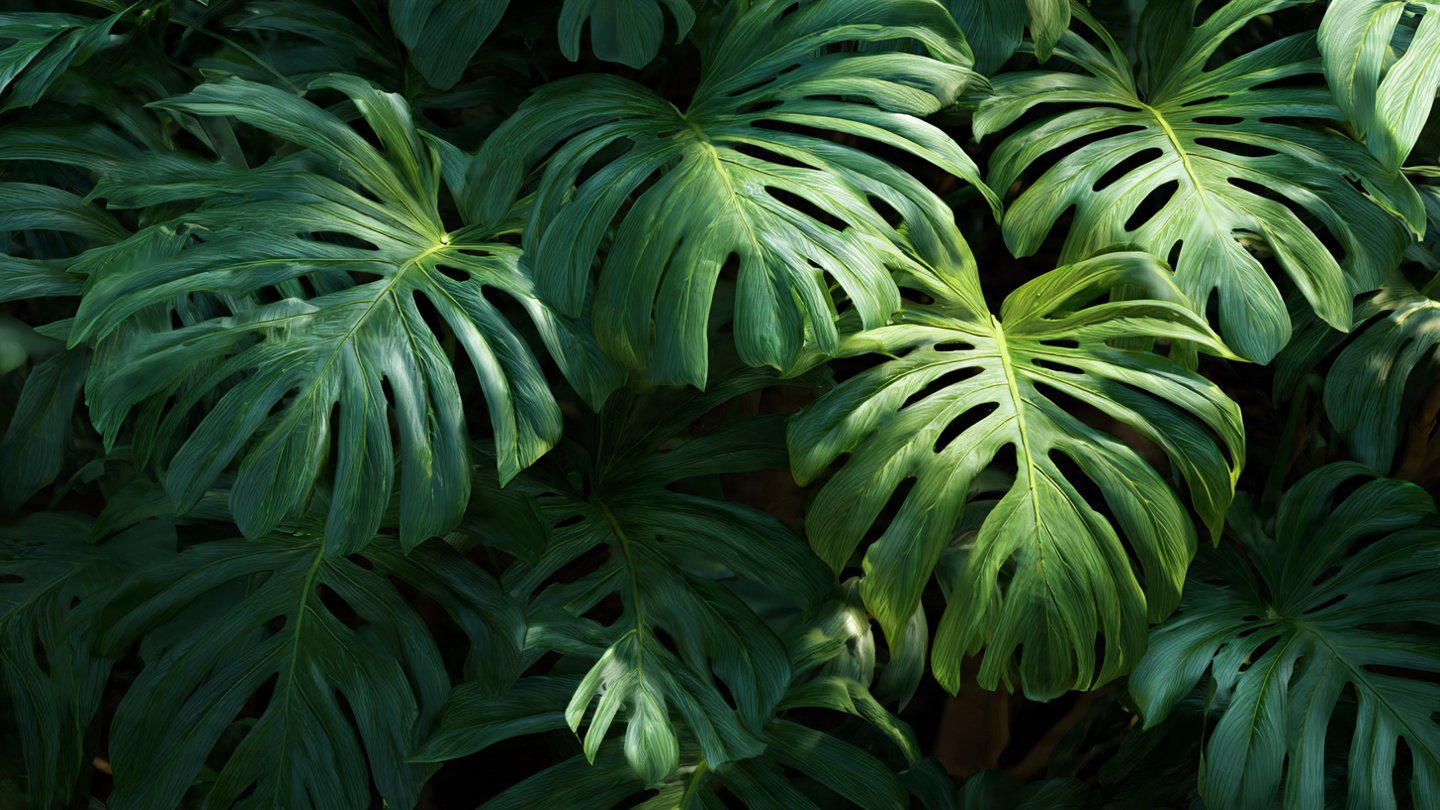
Monstera, commonly known as the Swiss cheese plant, is a stunning addition to any outdoor space, embodying that lush, tropical aesthetic we often associate with paradise. With its striking, split leaves and vigorous growth, this plant can transform your garden into a vibrant oasis. In this article, we will explore how to grow Monstera to maximize its beauty and health, providing you with the tools you need to create a tropical retreat right at home.
Understanding Monstera
Botanical Overview
Monstera deliciosa is native to the tropical rainforests of Central America. As a climbing plant, it typically grows up trees, using its aerial roots to cling onto trunks and branches. This growth behavior gives the plant its distinctive appearance, characterized by large, glossy leaves that develop holes or splits as they mature.
Varieties
While Monstera deliciosa is the most well-known species, there are other varieties worth considering for your outdoor space, including:
- Monstera adansonii: Known for its smaller, heart-shaped leaves with unique splits and holes.
- Monstera obliqua: A rare variety with delicate leaves, often more difficult to care for.
- Monstera borsigiana: Similar to deliciosa but typically smaller and more compact.
Each variety brings something unique to your garden, so consider your space and personal style when selecting.
Choosing the Right Location
Light Requirements
Monstera plants thrive in bright, indirect sunlight, typical of their native tropical habitat. Select a location that receives filtered light, such as under the canopy of larger plants or near a patio with dappled sunlight. Avoid direct sunlight, which can scorch the leaves.
Temperature and Humidity
Ideal temperatures for Monstera range from 65°F to 85°F (18°C to 29°C). They enjoy high humidity levels, so if you live in a drier climate, consider misting them regularly or placing a humidifier nearby. In colder climates, be mindful of bringing your Monstera indoors if temperatures drop below 50°F (10°C).
Protection from Wind
A sheltered location away from strong winds will help protect your Monstera. Wind can damage the large leaves and disrupt their growth. Positioning your plant near a wall or larger plants can provide the necessary protection.
Preparing the Soil
Soil Composition
Monstera prefers a well-draining potting mix rich in organic matter. A mixture of potting soil, peat moss, and perlite or orchid bark can create an ideal environment. This blend allows for good drainage while retaining enough moisture for the roots.
pH Levels
Monstera flourishes in slightly acidic to neutral soil, with pH levels between 5.5 and 7.0. You can test your soil using a pH kit available at gardening stores, and amend it as needed with lime (to raise pH) or sulfur (to lower it).
Planting Monstera
Propagation Techniques
Monstera can be propagated through stem cuttings, which is an easy and rewarding process. Take a cutting of at least 4-6 inches, ideally with a node and aerial root. Place the cutting in water or plant it directly into the potting mix.
- Water Propagation: Place the cutting in a container with water, ensuring the node is submerged. Change the water every few days until you see roots developing.
- Soil Propagation: If planting directly, ensure the cutting is about 2-3 inches deep in the soil. Water lightly and keep the soil moist but not soggy.
Planting in the Ground
If you’re planting directly in the ground, dig a hole that is twice the width of the root ball. Mix in organic compost to enrich the surrounding soil. Place your Monstera and backfill with soil, firming it gently around the base.
Container Planting
Using containers provides flexibility, allowing you to move your Monstera as needed. Choose a pot with drainage holes, and ensure it’s large enough to accommodate the plant’s growth. Use the aforementioned potting mix for best results.
Watering and Fertilization
Watering Needs
During the growing season (spring and summer), Monstera requires regular watering. Water when the top inch of soil feels dry to the touch. Be cautious of overwatering, which can lead to root rot. In cooler months, reduce the frequency, allowing the soil to dry out more thoroughly between waterings.
Fertilization Strategy
Fertilize your Monstera every 4-6 weeks during the growing season with a balanced, water-soluble fertilizer. A 20-20-20 NPK (nitrogen, phosphorus, potassium) fertilizer is an excellent choice. In the fall and winter, reduce or stop fertilization altogether, as the plant enters a dormant phase.
Pruning and Maintenance
Pruning Techniques
Regular pruning helps promote bushy growth and manage the size of your Monstera. You can prune away any yellowing or dead leaves at any time. For larger plants, pruning back leggy growth will encourage bushier, healthier development.
- Timing: Late winter or early spring is the best time to prune before the plant begins its active growing season.
- Cutting Technique: Use clean, sharp scissors or pruning shears to make clean cuts just below a leaf node or where leaves intersect.
Support Structures
Given its climbing nature, Monstera often benefits from a support structure. Use moss poles or trellises to encourage upward growth. Aerial roots will attach to these structures, helping the plant climb and thrive.
Pest and Disease Management
Common Pests
Monstera is generally pest-resistant, but it can occasionally fall victim to mealybugs, spider mites, and scale. Regularly inspecting your plant will help catch problems early.
- Mealybugs: Remove them with a cotton swab dipped in alcohol.
- Spider Mites: Increase moisture around the plant, which can deter these pests.
- Scale: Manual removal and horticultural oils can help manage infestations.
Disease Prevention
Root rot is the most common disease affecting Monstera, primarily caused by overwatering or poorly draining soil. Ensure adequate drainage and avoid letting your plant sit in water. Fungal issues can also arise; using a well-draining mix and proper air circulation helps prevent these problems.
Aesthetics and Landscaping Ideas
Creating a Tropical Vibe
Monstera pairs beautifully with other tropical plants. Consider incorporating:
- Palms: Such as Areca or Kentia palms for a layered look.
- Ferns: Boston or Maidenhair ferns add lush greenery.
- Orchids: For pops of color and elegance.
Container vs. Ground Planting
Using containers allows for versatility in positioning. Creating groupings of different heights, colors, and textures can enhance the tropical feel. For a more cohesive look, choose pots in complementary colors.
Seasonal Care
Be mindful of seasonal changes. In colder months, it may be necessary to bring container plants indoors to protect them from frost. You can also consider using frost cloths or protective coverings for ground-planted Monstera in cooler climates.
Conclusion
Growing Monstera can yield stunning results, adding a lush, tropical look to your outdoor space. With attention to light, soil, watering, and pest management, you can maintain a vibrant and healthy plant. Let your Monstera be the focal point of your garden, surrounded by a diverse array of tropical companions to create your very own paradise. Whether you’re cultivating a few potted plants on a patio or designing an elaborate outdoor display, your efforts will bring the beauty of the tropics right to your doorstep. Happy gardening!