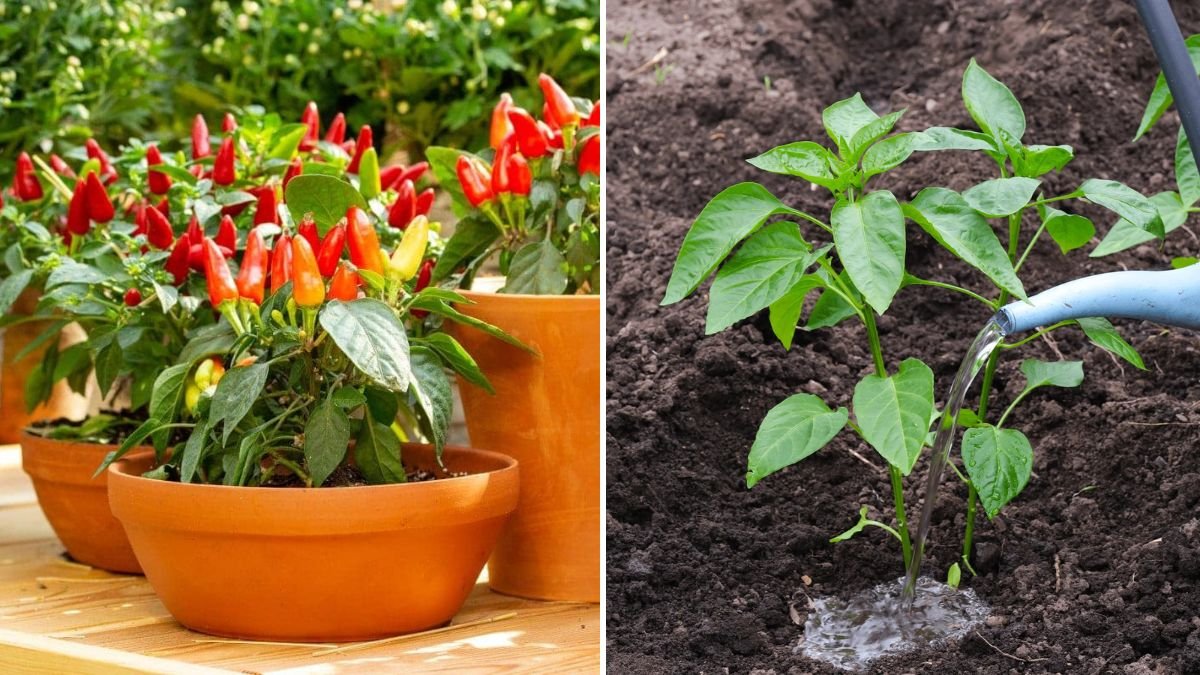
Peppers are among the most rewarding vegetables to grow at home. They come in many varieties, including sweet bell peppers and spicy chili peppers. Growing peppers at home ensures fresh, chemical-free produce. Pepper plants thrive in warm conditions with proper care. They are suitable for gardens, containers, and balconies. With the right techniques, yields can be impressive. Peppers are rich in vitamins and antioxidants. Home gardening also improves sustainability.
Choosing the Right Pepper Variety
Selecting the right variety is essential for success. Bell peppers are ideal for beginners. Chili peppers thrive in warm climates. Choose disease-resistant seeds for better results. Compact varieties are perfect for containers. Climate-appropriate varieties grow faster. Heirloom peppers offer unique flavors. Proper selection improves productivity and taste.
Ideal Climate and Temperature for Peppers
Peppers love warm temperatures and sunlight. Ideal temperature ranges between twenty and thirty degrees Celsius. Cold stress slows growth significantly. Avoid planting before frost ends. Warm nights support flowering. Sudden temperature drops reduce fruit set. Consistent warmth ensures steady development. Climate awareness improves harvest quality.
Selecting the Best Growing Location
Choose a location with full sunlight. Peppers require at least six to eight hours of sun daily. Avoid windy areas that damage stems. Ensure good air circulation. Balcony or terrace gardens work well. Indoor growing needs grow lights. Proper location improves flowering. Sunlight directly affects yield.
Soil Preparation for Pepper Plants
Use loose, fertile, and well-draining soil. Mix garden soil with compost and sand. Avoid heavy clay soils. Soil pH should be slightly acidic to neutral. Organic matter improves nutrient availability. Proper soil preparation promotes strong roots. Healthy soil prevents disease. Preparation determines plant vigor.
Planting Pepper Seeds or Seedlings
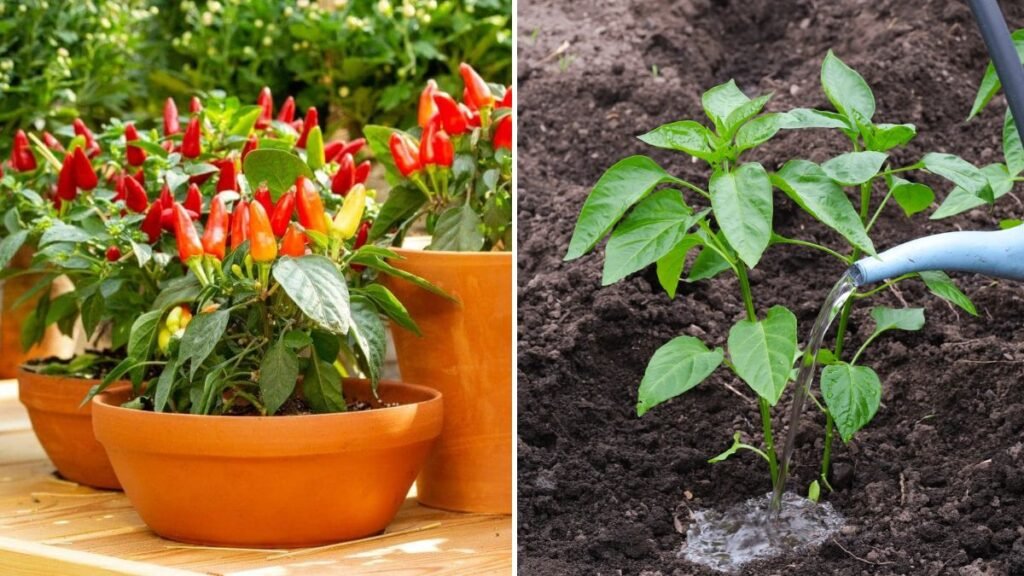
Start seeds indoors for better control. Sow seeds shallowly and water gently. Transplant seedlings after true leaves appear. Space plants adequately for airflow. Avoid damaging roots during transplanting. Water immediately after planting. Proper planting reduces stress. Early care improves survival.
Watering Requirements for Peppers
Peppers require consistent but moderate watering. Overwatering causes root rot. Allow topsoil to dry slightly between watering. Water deeply rather than frequently. Morning watering is ideal. Avoid wetting leaves excessively. Mulching helps retain moisture. Proper watering ensures steady growth.
Fertilizing Pepper Plants
Use balanced organic fertilizer. Nitrogen supports leaf growth initially. Phosphorus strengthens roots and flowers. Potassium improves fruit quality. Fertilize every two to three weeks. Avoid excessive nitrogen during flowering. Compost tea works effectively. Balanced nutrition increases yield.
Mulching for Moisture Retention
Apply organic mulch around plants. Mulch conserves moisture and reduces weeds. Straw or dry leaves work well. Maintains stable soil temperature. Prevents soil erosion. Improves soil structure over time. Mulching reduces watering frequency. Healthy roots grow better.
Supporting Pepper Plants
Pepper plants need support as fruits develop. Use stakes or cages. Prevents stems from breaking. Supports heavier yields. Tie gently to avoid damage. Proper support improves airflow. Makes harvesting easier. Strong plants give higher production.
Pruning and Pinching Techniques
Pinch early flowers to encourage root growth. Remove weak or damaged branches. Improves airflow within plant. Focuses energy on fruit development. Avoid excessive pruning. Regular inspection is important. Pruning boosts yield quality. Healthy structure supports growth.
Pollination and Flowering Care
Peppers are self-pollinating but benefit from airflow. Gentle shaking helps pollen transfer. Avoid excessive humidity. Encourage beneficial insects nearby. Healthy flowers set better fruit. Temperature consistency is crucial. Pollination affects fruit shape. Good care improves results.
Managing Pests Naturally
Common pests include aphids and mites. Inspect leaves regularly. Use neem oil or soap spray. Remove affected parts promptly. Encourage ladybugs naturally. Avoid chemical pesticides. Healthy plants resist pests better. Prevention is always easier.
Preventing Pepper Plant Diseases
Avoid waterlogging soil. Ensure good drainage. Remove infected leaves immediately. Rotate crops annually. Avoid overcrowding plants. Use disease-resistant varieties. Proper hygiene prevents spread. Healthy practices reduce losses.
Growing Peppers in Containers
Use containers with drainage holes. Choose pots at least twelve inches deep. Use lightweight potting mix. Water more frequently than ground plants. Fertilize regularly. Containers allow easy movement. Ideal for balconies. Proper care ensures success.
Harvesting Peppers Correctly
Harvest peppers when firm and shiny. Green peppers mature faster. Red peppers offer sweeter flavor. Use clean scissors or hands. Avoid pulling fruits harshly. Regular harvesting encourages more fruit. Early morning harvest is best. Gentle handling preserves quality.
Storing and Using Peppers
Store peppers in cool, dry conditions. Refrigerate for longer storage. Avoid washing before storage. Dry or freeze excess harvest. Proper storage preserves nutrients. Fresh peppers last longer. Use promptly for best flavor. Preservation reduces waste.
Common Mistakes to Avoid
Overwatering damages roots. Poor sunlight reduces yield. Ignoring pests causes damage. Overfertilizing leads to leaf growth only. Late harvesting reduces productivity. Monitoring prevents issues. Learning from mistakes improves success. Consistency matters most.
Pepper Growing Summary Table
| Aspect | Recommendation | Benefit |
| Soil | Loose compost-rich soil | Strong roots |
| Sunlight | Six to eight hours daily | Better fruiting |
| Water | Moderate consistent watering | Healthy growth |
| Support | Stakes or cages | Prevents breakage |
| Fertilizer | Balanced organic feed | Higher yield |