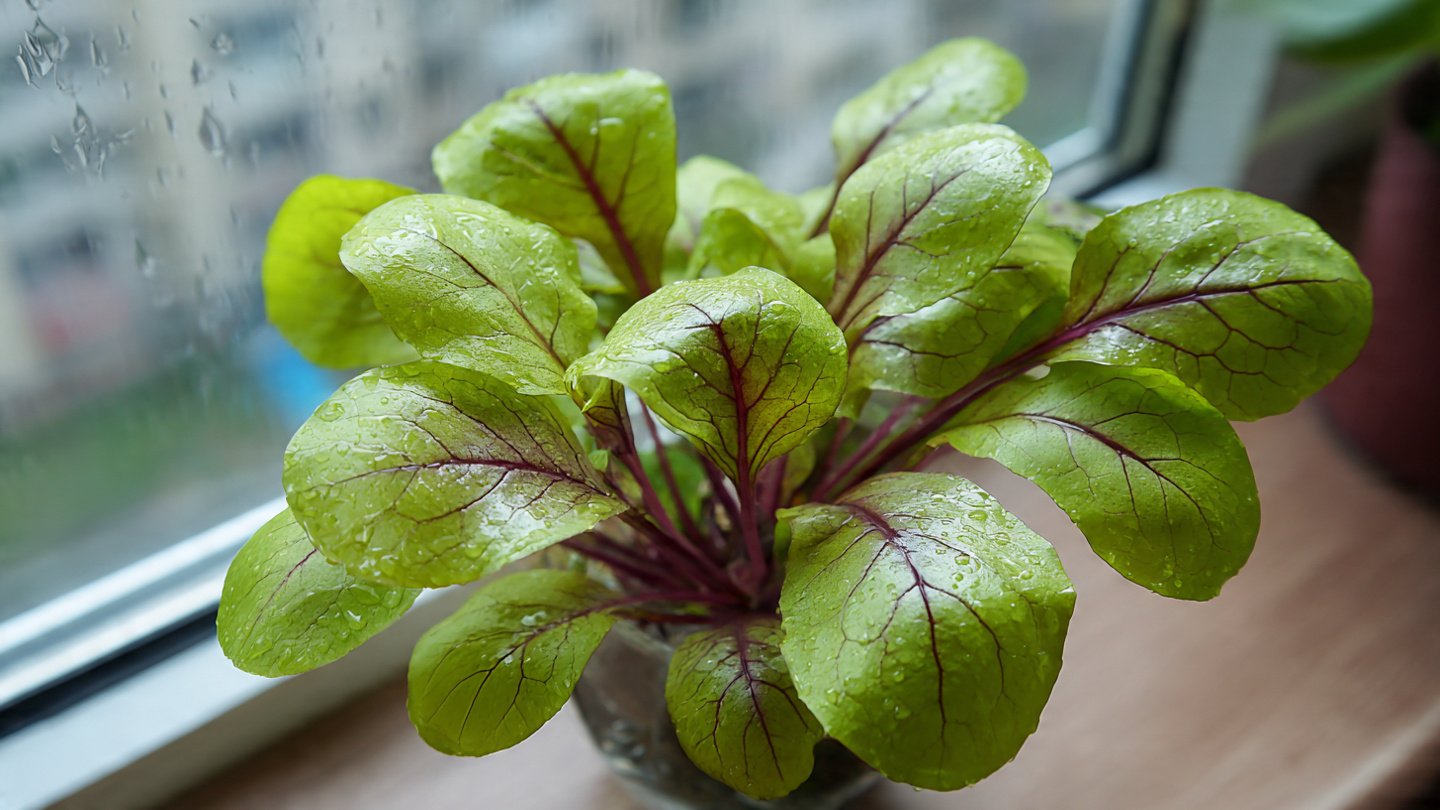
Sorrel, with its tangy, lemony flavor, is a versatile herb that can elevate many dishes, from salads to soups and sauces. For home gardeners, growing sorrel indoors year-round not only provides a steady supply of fresh greens but also adds a splash of greenery to your home. This complete guide will take you through every step of the journey to grow sorrel indoors, ensuring that you can enjoy this delightful herb regardless of the season.
Understanding Sorrel
Sorrel (Rumex acetosa) is a perennial herb that belongs to the knotweed family. It thrives in cooler temperatures and is known for its unique sour flavor due to the presence of oxalic acid. Rich in vitamins A and C, potassium, and antioxidants, sorrel is not just a culinary delight; it also offers numerous health benefits. Its leaves can be used fresh in salads, blended into smoothies, or cooked similarly to spinach.
Types of Sorrel
There are several varieties of sorrel, but the two most popular for culinary purposes are:
- Common Sorrel: This variety has broad, arrow-shaped leaves and a tangy flavor. It’s the most frequently used in cooking.
- French Sorrel: Slightly more mild and sweeter than common sorrel, French sorrel has a more refined taste, making it a favorite among chefs.
Selecting the Right Containers
When growing sorrel indoors, container selection is crucial for optimal growth. Here’s what to consider:
- Size: Use containers that are at least 6-8 inches deep. Sorrel has a deep root system and needs adequate space to grow.
- Material: Choose pots made of clay, plastic, or ceramic. Ensure they have drainage holes to prevent waterlogging, which can lead to root rot.
- Mobility: If you can, use pots with trays or those that are lightweight. This will help you easily move them for sunlight or care as needed.
Essentials for Growing Sorrel Indoors
Light Requirements
Sorrel thrives in bright, indirect sunlight. Here’s how to provide the right lighting conditions:
- Window Placement: Place your pots near a south- or west-facing window where they can receive at least 4-6 hours of sunlight per day.
- Grow Lights: If natural light is insufficient, consider using LED grow lights. Position them about 12-18 inches above the plants and keep them on for 12-16 hours daily.
Soil Composition
The right soil mix is vital for healthy sorrel production:
- Type: Use a well-draining potting mix. A blend containing peat moss, perlite, and compost is ideal.
- pH Level: Sorrel prefers slightly acidic soil, ideally between 6.0 and 7.0. You can test your soil pH with an inexpensive kit from gardening stores.
- Preparation: Before planting, mix in some organic fertilizer to provide initial nutrients.
Watering Needs
Watering is crucial for sorrel care. Aim for:
- Moisture Levels: Keep the soil consistently moist but not soggy. Water whenever the top inch feels dry.
- Drainage: Ensure that excess water can escape from the pot. Overwatering can destroy your plants.
Temperature and Humidity
Sorrel prefers cooler temperatures, making it easier to grow indoors:
- Ideal Temperature: Maintain indoor temperatures between 60-75°F. Sorrel can tolerate cooler temperatures, so avoid placing it near heat sources like radiators.
- Humidity Levels: Aim for moderate humidity; a simple way to increase humidity around your plants is to place a tray of water nearby or use a humidity tray filled with pebbles.
Fertilization
Nutrients play a vital role in the health of your sorrel.
- Initial Fertilizing: Incorporate time-release organic slow fertilizer into the potting mix during planting.
- Ongoing Feeding: After about four weeks, begin to fertilize every four to six weeks during the growing season using a balanced liquid fertilizer diluted to half strength.
Planting Sorrel from Seeds
Growing sorrel from seeds allows you to control the growing environment right from the start. Here is a step-by-step process:
1. Seed Selection
Choose high-quality seeds from a reputable supplier. You can select common or French sorrel, based on your preference.
2. Soaking Seeds
For better germination, soak seeds in water for 24 hours before planting. This helps soften the seed coat and encourages sprouting.
3. Planting Seeds
Follow these steps:
- Fill your containers with the prepared potting mix, leaving about an inch of space at the top.
- Lightly compress the soil and create small holes or rows about 1-2 inches apart.
- Place 2-3 seeds in each hole and cover them lightly with soil.
4. Watering After Planting
Gently water the seeds until the soil is moist but not soggy. Use a fine mist spray to avoid displacing seeds.
5. Covering for Germination
Consider covering the containers with plastic wrap or a seed tray to retain moisture until sprouts emerge. Remove the cover once you see seedlings.
Caring for Young Sorrel Plants
As your sorrel sprouts up, a little extra care will help them thrive:
Thinning
Once seedlings have 2-3 true leaves, thin them to avoid overcrowding. Leave the healthiest plants about 4-6 inches apart.
Pruning
Regularly prune the leaves of your sorrel to encourage bushier growth. Harvesting the outer leaves will stimulate new growth from the center.
Harvesting Sorrel
Harvesting should begin about 6-8 weeks after sowing seeds or when leaves reach 4-6 inches in length. Here’s how to do it:
- Cutting the Leaves: Use scissors to cut the leaves from the base. Avoid removing more than one-third of the plant at a time to allow for continued growth.
- Frequency: You can harvest sorrel every few weeks during the growing season for a continuous supply.
Pest and Disease Management
Growing sorrel indoors minimizes pest issues, but it’s important to remain vigilant:
- Common Pests: Look out for aphids, spider mites, and whiteflies. You can treat infestations with insecticidal soap or neem oil.
- Diseases: Root rot can occur from overwatering; adjust your watering schedule if you notice wilting or yellowing leaves.
Storing Sorrel
Fresh sorrel is best enjoyed immediately after harvesting, but it can also be stored:
- Refrigeration: Wrap fresh leaves in a damp paper towel and place them in a plastic bag for short-term storage in the refrigerator. Use within 5-7 days.
- Freezing: Blanch leaves briefly in boiling water, then plunge them into ice water. Pat dry and store in airtight containers or freezer bags for longer preservation.
Conclusion
Growing sorrel indoors year-round is not only feasible but can be incredibly rewarding. With the right care, you can enjoy this nutritious and flavorful herb at your fingertips, adding zest to your meals while enhancing your home gardening skills. Whether you choose from the delightful tang of common sorrel or the subtle sweetness of French sorrel, these simple guidelines will set you up for success in your indoor garden. Happy gardening!