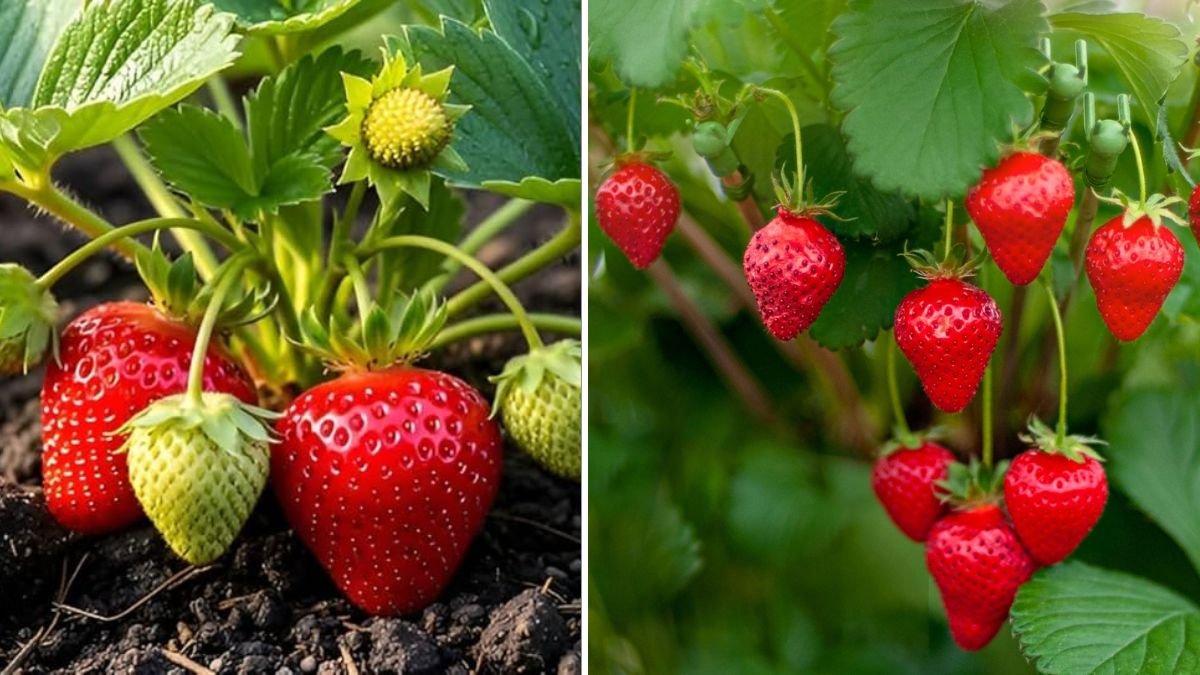
1. Introduction to Balcony Strawberry Growing
Growing strawberries on a balcony is both beautiful and rewarding. These compact plants adapt perfectly to container gardening. Even without a garden, you can enjoy fresh strawberries daily. Balcony gardening allows better control over soil and watering. Strawberries grow fast and fruit generously. Homegrown berries taste sweeter than store-bought ones. The plants also add decorative beauty. Anyone can start with minimal tools. Proper care ensures continuous harvests. This guide explains everything step by step.
2. Why Strawberries Are Perfect for Balconies
Strawberries have shallow root systems and grow well in pots. They require limited space and adapt to vertical setups. Containers reduce weed problems completely. Balcony air circulation lowers disease risk. Strawberries thrive in controlled environments. They fruit quickly compared to many crops. Repeated harvesting encourages more production. Small balconies can produce large harvests. Their green leaves and red fruits look attractive. Strawberries combine beauty with productivity.
3. Choosing the Best Strawberry Varieties
Variety selection determines success. Day-neutral strawberries produce fruit year-round. Ever-bearing types offer multiple harvest cycles. Alpine strawberries stay compact and flavorful. Disease-resistant varieties reduce maintenance. Avoid varieties meant only for open fields. Local nursery varieties adapt better to climate. Healthy seedlings establish faster than seeds. Compact growth habits suit balconies best. Always read seed or plant labels carefully.
4. Selecting the Right Containers
Proper containers support healthy roots. Pots should have good drainage holes. Hanging baskets save floor space. Grow bags offer excellent aeration. Vertical planters maximize production. Containers should be at least eight inches deep. Lightweight containers are easier to move. Clean containers prevent disease buildup. Container size affects fruit yield. Choosing wisely improves success.
5. Preparing the Ideal Soil Mix
Strawberries prefer loose, nutrient-rich soil. Mix garden soil, compost, and cocopeat evenly. Vermicompost boosts beneficial microbes. Avoid heavy clay soil. Good drainage prevents root rot. Slightly acidic soil improves sweetness. Organic matter retains moisture evenly. Healthy soil supports flowering and fruiting. Soil preparation is critical. Quality soil leads to quality harvests.
6. Planting Strawberries Correctly
Plant healthy seedlings rather than seeds. Place the crown just above soil level. Do not bury the crown deeply. One plant per small pot is ideal. Water gently after planting. Provide shade for the first few days. Avoid overcrowding containers. Proper spacing improves airflow. Correct planting reduces stress. Strong starts lead to better yields.
7. Sunlight Requirements
Strawberries need five to six hours of sunlight daily. Morning sunlight is ideal. East-facing balconies perform well. Rotate containers for even exposure. Insufficient light reduces flowering. Bright light improves fruit color and sweetness. Protect plants from harsh afternoon sun. Shade nets help in hot climates. Light consistency drives productivity. Placement matters greatly.
8. Watering Schedule
Strawberries need consistent moisture. Containers dry faster than garden soil. Water when topsoil feels dry. Avoid waterlogging at all costs. Morning watering is best. Mulching helps retain moisture. Irregular watering causes sour fruits. Consistent moisture supports berry development. Balanced watering prevents stress. Watering discipline ensures success.
9. Fertilizing for Bigger Harvests
Strawberries respond well to organic feeding. Compost tea every two weeks boosts growth. Banana peel water adds potassium. Avoid excess nitrogen fertilizers. Liquid fertilizers suit containers best. Feeding during flowering increases fruit size. Balanced nutrients improve sweetness. Overfeeding damages roots. Fertilization timing is important. Proper feeding unlocks high yields.
10. Flowering and Pollination
Strawberry flowers are self-pollinating. Gentle shaking improves pollination. Morning hours are best. Balconies may lack bees. Hand pollination increases fruit set. Healthy flowers indicate good care. Poor pollination causes misshapen berries. Simple actions improve success. Pollination directly affects yield. Small effort brings big results.
11. Managing Runners
Runners drain energy from fruiting plants. Remove runners regularly for larger berries. Allow runners only for propagation later. Clean cuts prevent disease spread. Runner control focuses energy on fruiting. Neglect reduces berry size. Regular inspection is necessary. Balanced management improves productivity. Healthy plants produce better fruits. Runner control is essential.
12. Mulching Benefits
Mulching keeps soil cool and moist. Straw or coco husk works well. Mulch prevents fruits from touching soil. It reduces fungal diseases. Moisture retention improves growth. Mulching suppresses algae formation. Organic mulch improves soil health. Simple technique with big benefits. Mulching stabilizes production. Highly recommended for containers.
13. Pest Control on Balconies
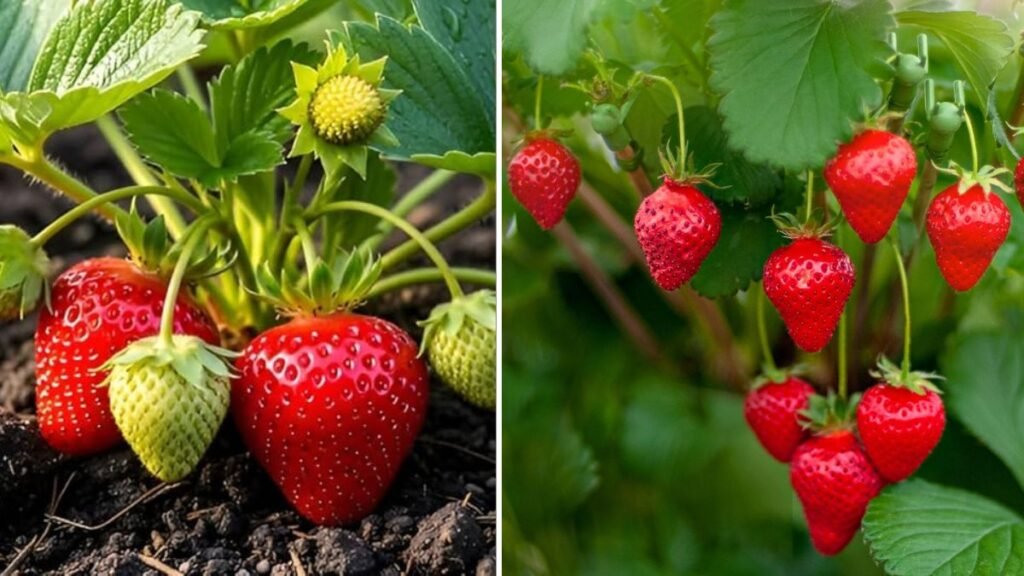
Aphids and mites are common pests. Neem oil spray works effectively. Inspect leaves weekly. Remove infected leaves immediately. Healthy plants resist pests better. Avoid chemical pesticides. Clean surroundings reduce infestations. Early action saves harvests. Organic methods keep fruits safe. Pest control protects yield.
14. Disease Prevention Tips
Good airflow prevents fungal diseases. Avoid wet leaves at night. Use clean soil and tools. Remove diseased plants promptly. Proper spacing reduces spread. Disease-free plants yield more. Prevention is easier than cure. Regular monitoring helps early detection. Healthy environment ensures success. Preventive care saves effort.
15. Harvesting Strawberries
Harvest strawberries when fully red. Morning harvest preserves freshness. Twist gently instead of pulling. Frequent harvesting encourages more fruiting. Handle fruits carefully. Harvesting too early reduces sweetness. Proper timing improves flavor. Regular picking boosts yield. Observation is essential. Harvesting completes the cycle.
16. Storage and Usage
Fresh strawberries are best eaten immediately. Refrigerate unwashed berries. Use within two days. Avoid stacking fruits. Homegrown berries spoil faster naturally. Use extras for smoothies and desserts. Proper storage maintains quality. Gentle handling prevents bruising. Freshness defines taste. Enjoy your free harvest.
17. Common Growing Mistakes
Overwatering causes root rot. Poor drainage kills plants. Lack of sunlight reduces fruiting. Ignoring runners lowers yield. Overfertilizing harms roots. Crowding reduces airflow. Late harvesting reduces sweetness. Learning mistakes improves success. Awareness saves time. Experience builds confidence.
18. Seasonal Care Tips
Grow strawberries in mild temperatures. Shade during extreme heat. Reduce watering in cooler months. Light feeding during dormancy helps. Seasonal adjustments improve longevity. Climate awareness is important. Adapt care as seasons change. Proper timing boosts harvests. Seasonal care ensures success. Observation guides decisions.
19. Balcony Strawberry Growing Table
| Factor | Recommendation |
|---|---|
| Container depth | 8–10 inches |
| Sunlight | 5–6 hours |
| Soil | Loose, organic |
| Watering | Regular, moderate |
| Fertilizer | Organic liquid |
20. Conclusion
Growing strawberries on a balcony is easy and rewarding. Beautiful plants provide free, fresh fruit. With proper care, harvests continue for months. Small spaces become productive gardens. Organic methods improve flavor and safety. Beginners can succeed easily. Consistency is the real secret. Follow these steps carefully. Enjoy beauty and sweetness together. Homegrown strawberries are unbeatable.