
1. Introduction
Tomatoes are one of the most popular home-grown vegetables. Plastic containers make tomato gardening affordable and simple. Even small spaces can produce high yields. Containers offer better control over soil and water. Tomatoes adapt very well to container life. Balcony and terrace gardeners benefit greatly. Fresh tomatoes taste richer and healthier. Plastic containers are easy to manage. This guide explains simple methods for success. Anyone can grow tomatoes easily at home.
2. Why Plastic Containers Are Ideal for Tomatoes
Plastic containers are lightweight and durable. They are easy to move. Moisture retention is better than clay pots. Drainage holes can be customized. Containers warm up soil quickly. Tomatoes grow faster in warm soil. Recycling plastic reduces waste. Containers suit urban lifestyles. Tomatoes thrive with focused care. Plastic containers make gardening accessible.
3. Choosing the Right Plastic Containers
Large containers produce better results. Use containers of at least twenty liters. Depth supports strong roots. Drainage holes are essential. Avoid chemical residue containers. Clean thoroughly before use. Light-colored containers reduce heat stress. Strong containers last multiple seasons. Container size affects yield. Proper selection ensures success.
4. Best Tomato Varieties for Containers
Compact tomato varieties are best. Cherry tomatoes perform exceptionally well. Determinate varieties stay manageable. Disease-resistant types reduce problems. Fast-growing varieties ensure early harvest. Avoid large indeterminate types. Choose varieties suited to climate. Healthy genetics improve productivity. Proper variety selection simplifies care. Choose wisely.
5. Preparing the Best Soil Mix
Tomatoes need rich, loose soil. Mix garden soil, compost, and cocopeat. Compost improves fertility. Cocopeat enhances drainage. Soil should retain moisture. Avoid heavy clay soil. Balanced soil supports healthy roots. Good soil improves fruit size. Preparation sets the foundation. Soil quality matters most.
6. Planting Tomatoes in Containers
Plant one seedling per container. Spread roots gently. Avoid planting too shallow. Water immediately after planting. Provide light shade initially. Gentle handling prevents shock. Proper planting ensures establishment. Healthy seedlings grow quickly. Technique affects survival. Care is essential.
7. Sunlight Requirements
Tomatoes need full sunlight. Six to eight hours daily is ideal. Morning sun improves growth. Containers allow repositioning. Insufficient light reduces fruiting. Balanced exposure improves taste. Sunlight drives photosynthesis. Light management boosts yield. Proper placement is critical. Sun affects productivity.
8. Watering Schedule
Water regularly and deeply. Containers dry faster. Avoid waterlogging. Morning watering is best. Mulching helps retain moisture. Irregular watering causes cracking. Check moisture daily. Balanced watering supports fruiting. Consistency prevents stress. Proper watering is vital.
9. Fertilizing for High Yield
Tomatoes are heavy feeders. Organic compost works well. Liquid fertilizer boosts growth. Feed every two weeks. Avoid excess nitrogen. Potassium supports fruiting. Balanced nutrition ensures continuous harvest. Overfeeding harms plants. Fertilizer timing matters. Proper feeding increases yield.
10. Supporting Tomato Plants
Tomatoes require strong support. Stakes or cages work well. Secure stems gently. Vertical growth saves space. Support prevents breakage. Airflow reduces disease. Strong support handles fruit weight. Stability improves yield. Support is necessary. Proper care matters.
11. Pruning for Better Results
Remove unnecessary side shoots. Focus energy on fruiting. Avoid heavy pruning. Remove yellow leaves. Pruning improves airflow. Controlled growth boosts yield. Clean cuts prevent infection. Pruning simplifies maintenance. Technique matters. Balance is key.
12. Flowering and Pollination
Healthy plants flower abundantly. Stress causes flower drop. Maintain consistent care. Tomatoes self-pollinate easily. Gentle shaking improves pollination. Adequate nutrients support blooms. Flowers determine yield. Flower care is crucial. Attention improves results. Pollination matters.
13. Pest Control
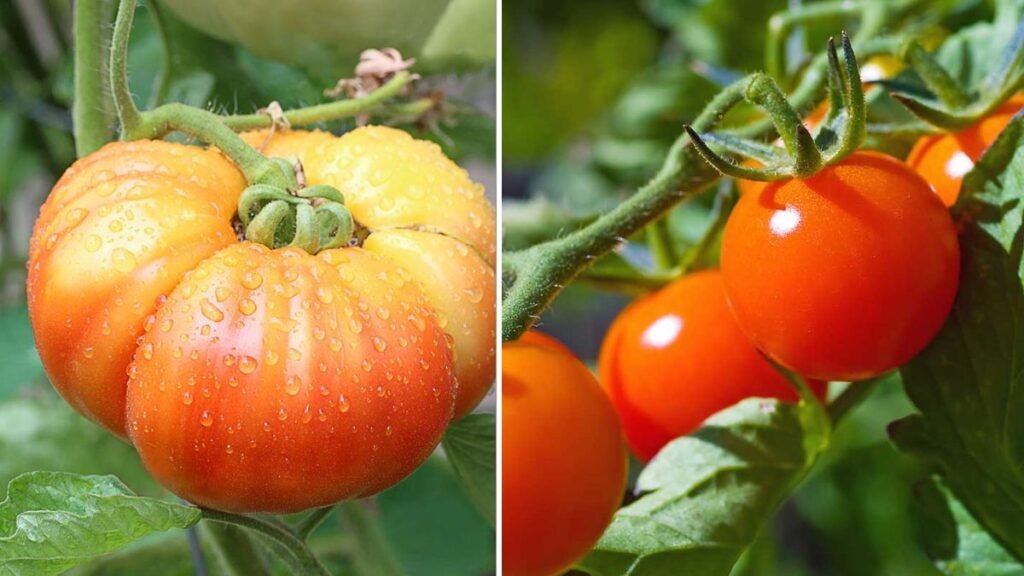
Container tomatoes face fewer pests. Aphids may appear occasionally. Neem oil works effectively. Inspect plants weekly. Remove infected leaves promptly. Clean surroundings prevent infestation. Healthy plants resist pests. Organic methods protect fruits. Prevention saves effort. Vigilance ensures success.
14. Disease Prevention
Good drainage prevents disease. Avoid wet leaves. Maintain airflow. Remove diseased foliage early. Clean tools regularly. Healthy soil reduces problems. Prevention protects harvest. Simple habits prevent loss. Awareness is essential. Clean gardening ensures success.
15. Fruit Development
Fruits develop steadily with care. Maintain consistent watering. Adequate nutrients support growth. Avoid stress during fruiting. Monitor fruits regularly. Healthy leaves support development. Fruits grow firm and flavorful. Consistency ensures quality. Development stage is important. Care improves yield.
16. Harvesting Tomatoes
Harvest tomatoes when fully colored. Morning harvest preserves flavor. Regular picking encourages more fruit. Avoid pulling stems. Gentle handling prevents damage. Proper timing improves taste. Frequent harvesting boosts yield. Harvesting technique matters. Fresh tomatoes taste best. Handle with care.
17. Expected Yield from Containers
Container tomatoes produce impressive yields. Small spaces deliver abundance. Vertical growth increases production. Consistent care boosts output. Gardeners enjoy regular harvests. Productivity improves with experience. Results often surprise beginners. Space is not a limitation. Smart methods deliver success. Care determines harvest size.
18. Common Mistakes to Avoid
Small containers limit roots. Overwatering causes rot. Insufficient sunlight reduces yield. Ignoring support weakens plants. Overfertilizing harms roots. Poor drainage causes disease. Avoid overcrowding. Awareness prevents failure. Simple corrections improve results. Learn continuously.
19. Plastic Container Tomato Gardening Table
| Item | Purpose | Benefit |
|---|---|---|
| Plastic container | Planting | Space saving |
| Tomato seedling | Growing | High yield |
| Compost | Nutrition | Healthy fruit |
| Stake | Support | Strong stems |
| Neem oil | Pest control | Organic safety |
20. Conclusion
Growing tomatoes in plastic containers at home is simple and effective. This method proves that anyone can enjoy high yields. With proper soil, sunlight, and care, tomatoes thrive easily. Containers save space and reduce cost. Home-grown tomatoes are healthier and tastier. Beginners can succeed confidently. Consistent harvesting ensures steady supply. Plastic container gardening is sustainable and practical. Fresh tomatoes become part of daily life. Success starts with one container.