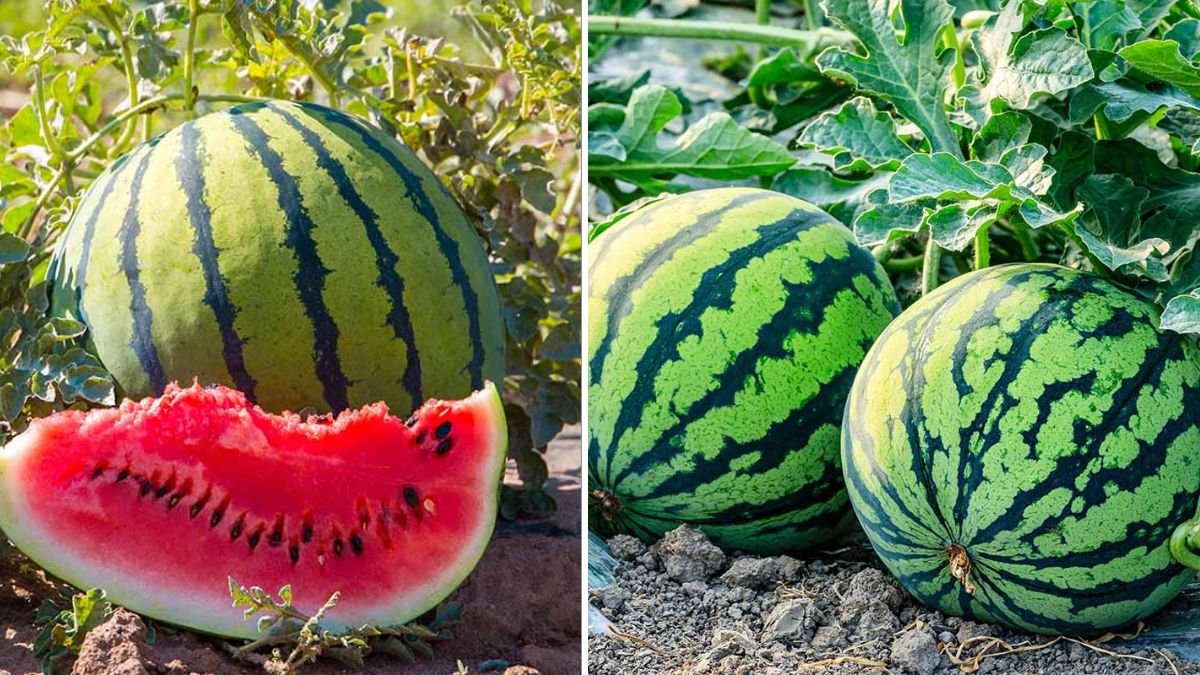
Watermelon is often considered a crop that needs large farmland, but that is not true. With the right technique, watermelon grows very well in plastic containers. Container gardening allows better control over soil, water, and nutrients. Plastic containers retain warmth, which watermelons love. This method is ideal for balconies, terraces, and rooftops. Even urban gardeners can enjoy sweet, juicy watermelons at home. This article explains how to grow watermelon step by step using plastic containers. You will learn how to get strong vines and healthy fruits.
Why Plastic Containers Work Well for Watermelon
Plastic containers warm up faster than ground soil. Warm soil promotes faster root growth. Containers allow excellent drainage when prepared correctly. You can move containers to chase sunlight. Soil-borne diseases are easier to control. Watering becomes more precise. Plastic containers are affordable and reusable. This makes them perfect for growing watermelons at home.
Best Watermelon Varieties for Container Growing
Not all watermelons are suitable for containers. Small and compact varieties work best. Bush and mini watermelons produce good yields. Fast-maturing varieties are ideal for limited space. Disease-resistant seeds reduce problems. Proper variety selection improves success. Choose varieties labeled for container gardening. Good seeds lead to sweeter fruits.
Recommended Watermelon Varieties for Containers
| Variety Type | Fruit Size | Suitability |
|---|---|---|
| Mini watermelon | Small to medium | Excellent |
| Bush watermelon | Compact vine | Very good |
Choosing the Right Plastic Container
Large containers are essential for watermelon. Use containers with at least fifty to sixty liters capacity. Buckets, tubs, or storage boxes work well. Ensure the container is strong and clean. Light-colored plastic reduces heat stress. Depth supports healthy root systems. Larger containers result in bigger fruits. Proper container choice is critical.
Preparing Proper Drainage
Good drainage prevents root rot. Drill multiple holes at the bottom. Add a layer of gravel or broken bricks. Elevate containers slightly. Proper drainage allows oxygen to reach roots. Avoid waterlogging at all times. Healthy roots support strong vines. Drainage is essential for success.
Preparing the Ideal Soil Mix
Watermelons need loose, nutrient-rich soil. Mix garden soil, compost, and sand. Coco peat improves moisture balance. Organic matter supports vine growth. Avoid heavy clay soil. Loose soil helps roots spread easily. Good soil improves fruit sweetness. Soil preparation directly affects yield.
Sowing Watermelon Seeds
Sow seeds directly into the container. Plant two seeds per container. Cover lightly with soil. Water gently after sowing. Germination occurs quickly in warm soil. Remove weaker seedlings later. Direct sowing avoids transplant shock. Healthy seedlings establish faster.
Sunlight Requirements
Watermelons need full sunlight. Eight hours daily is ideal. Morning sunlight encourages strong growth. Insufficient light reduces flowering. Place containers in open areas. Rotate containers if needed. Sunlight affects sugar content. Proper exposure ensures sweet fruits.
Watering Routine for Containers
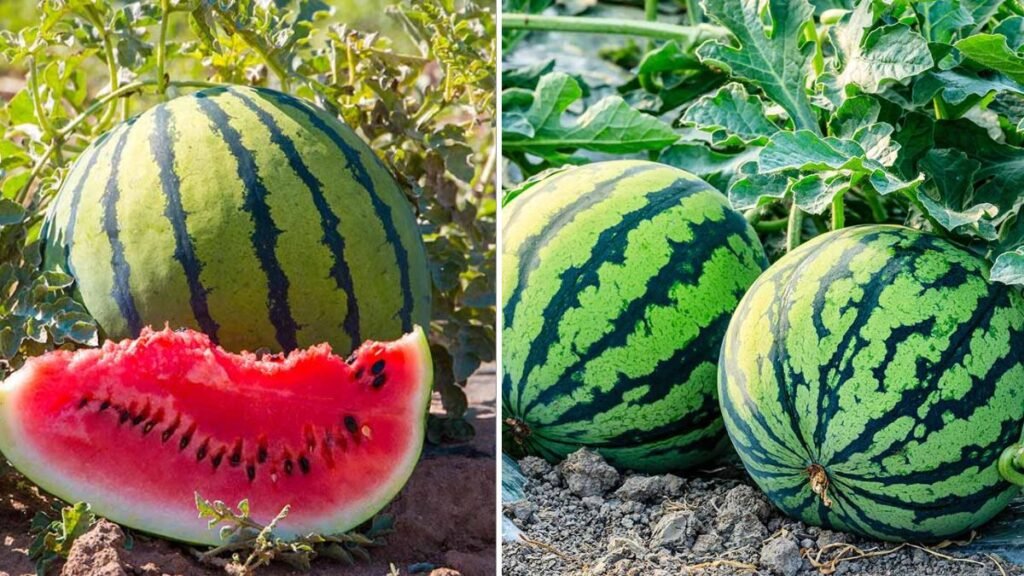
Water deeply and consistently. Containers dry faster than ground soil. Avoid frequent shallow watering. Morning watering is best. Mulching reduces moisture loss. Avoid water stress during flowering. Balanced watering prevents fruit cracking. Proper watering supports healthy fruits.
Feeding Watermelon Plants
Watermelons are heavy feeders. Use organic compost tea. Feed every two weeks. Nitrogen supports vine growth early. Potassium boosts flowering and fruiting. Avoid excessive nitrogen during fruiting. Balanced nutrition improves sweetness. Proper feeding increases yield.
Watermelon Feeding Guide
| Growth Stage | Nutrient Focus |
|---|---|
| Vine growth | Nitrogen |
| Flowering | Balanced nutrients |
| Fruiting | Potassium |
Providing Support for Vines
Watermelon vines spread widely. Guide vines carefully. Use trellises if space is limited. Support prevents vine damage. Fruits may need slings. Vertical growth saves space. Proper support improves airflow. Strong vines produce better fruits.
Flowering and Pollination
Watermelons produce male and female flowers. Bees assist pollination. Hand pollination can help. Healthy flowers result in fruit set. Avoid spraying chemicals during bloom. Nutrients affect flower quality. Good pollination increases yield. Flower care is important.
Fruit Development and Care
Once fruits form, consistent care is crucial. Maintain steady moisture. Avoid moving containers excessively. Support fruits to prevent damage. Potassium improves fruit size. Remove excess fruits for better quality. Healthy vines focus energy efficiently. Good care ensures juicy watermelons.
Managing Pests Naturally
Common pests include aphids and beetles. Neem oil works effectively. Inspect plants regularly. Remove affected leaves. Container gardening reduces pest pressure. Healthy plants resist pests better. Avoid harsh chemicals. Natural control keeps fruits safe.
Disease Prevention
Good airflow reduces fungal diseases. Avoid wetting leaves. Remove diseased vines quickly. Use clean tools. Proper drainage prevents root problems. Container growing minimizes disease risk. Prevention saves time and effort. Healthy plants live longer.
When to Reduce Watering
Reduce watering as fruits mature. This improves sweetness. Excess water near harvest reduces flavor. Observe fruit color and size. Gradual reduction is best. Proper timing enhances taste. Water management affects quality. Final stages are crucial.
Harvesting Watermelon
Harvest when the underside turns yellow. The vine near fruit dries slightly. Fruits sound hollow when tapped. Use a sharp knife. Morning harvest is best. Handle carefully. Fresh watermelon tastes best. Proper harvesting ensures quality.
Expected Yield in Containers
Each container can produce one to two fruits. Yield depends on variety and care. Mini watermelons perform best. Proper feeding increases success. Small spaces can produce big results. Urban gardeners are often surprised. Experience improves outcomes. Container watermelon is rewarding.
Environmental Benefits
Container growing saves space and water. Reduces chemical use. Produces fresh, chemical-free fruit. Encourages sustainable living. Ideal for urban homes. Reuses plastic containers. Reduces food transportation impact. Gardening improves well-being.
Conclusion
Growing watermelon in plastic containers is completely achievable. With proper soil, sunlight, and care, anyone can enjoy sweet homegrown watermelons. This method proves that even small spaces can produce large, delicious fruits.