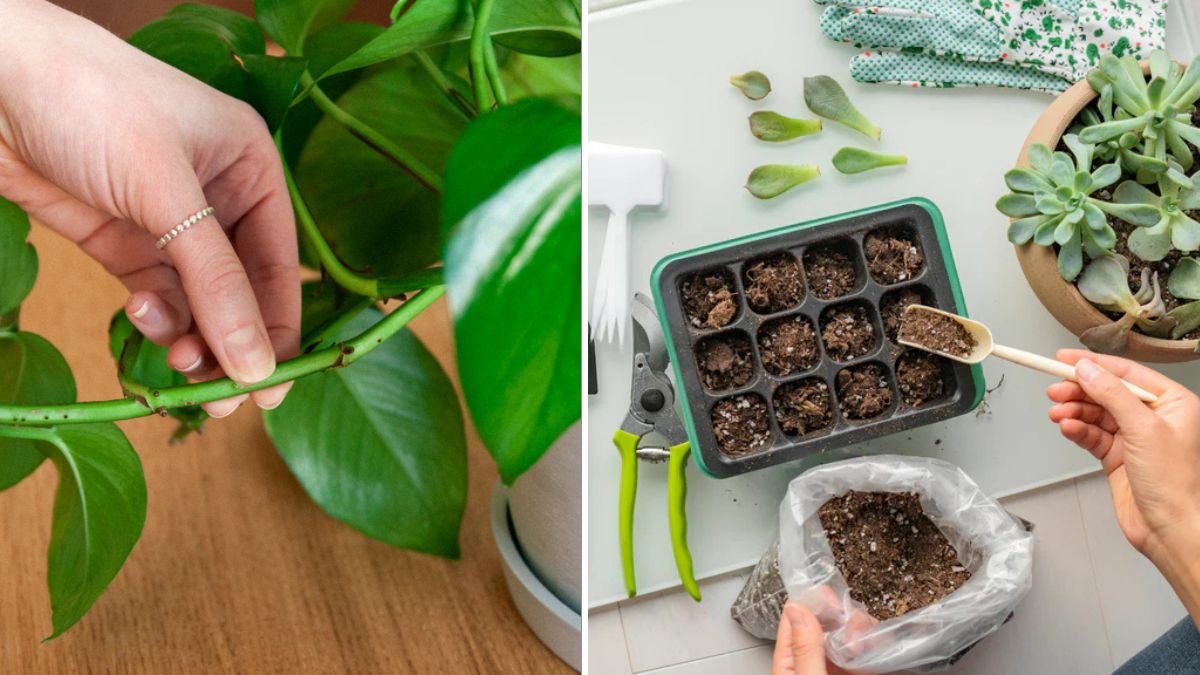
Propagation is one of the most exciting skills every gardener can learn. Imagine turning a single plant into dozens, or growing a new tree from a small cutting. Propagation allows you to expand your garden, save money, preserve heirloom varieties, and enjoy the magic of watching new life grow from a tiny piece of a plant.
Whether you want to multiply your favorite houseplants, grow fruit trees, or experiment with new gardening techniques, propagation is a powerful and rewarding method. With simple tools and a little patience, even beginners can achieve success.
In this complete and detailed guide, we will explore everything about plant propagation — the methods, tools, steps, and special tips that guarantee success. By the end, you’ll understand how to propagate almost any plant at home with confidence.
Let’s begin your propagation journey!
What Is Plant Propagation?
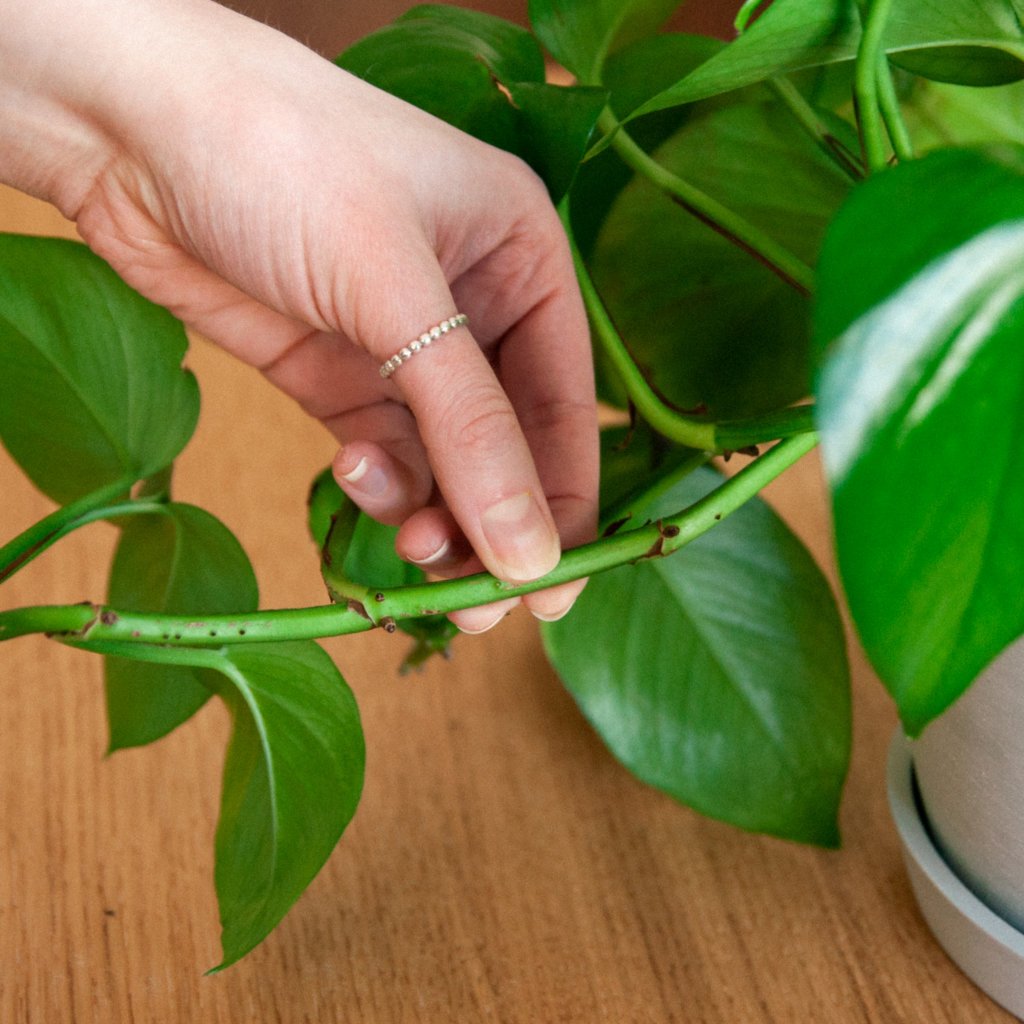
Plant propagation is the process of creating new plants from existing ones. Instead of planting seeds, propagation uses parts of a parent plant such as:
- Stems
- Leaves
- Roots
- Cuttings
- Bulbs
- Offshoots
The new plant produced is usually a clone, meaning it has the same characteristics as the parent — same color, same fragrance, same fruit quality.
Propagation helps gardeners:
Multiply plants cheaply
Preserve rare varieties
Grow plants faster than seeds
Keep plants uniform
Experiment with new species
Because of these advantages, propagation is used worldwide in home gardens, nurseries, and commercial farming.
Common Propagation Methods
There are many ways to propagate plants, but the most popular techniques are:
1. Stem Cuttings
Used for roses, hibiscus, guava, lemon, money plant, and many others.
2. Leaf Cuttings
Common for succulents, begonias, and African violets.
3. Root Division
Suitable for herbs, ornamental plants, ferns.
4. Offsets / Suckers
Used by bananas, aloe vera, orchids.
5. Air Layering
Ideal for fruit trees like mango, lychee, and citrus.
6. Seeds
The most natural method but slow compared to cuttings.
Each method has its own advantages, and choosing the right one increases your success rate.
Best Tools for Successful Propagation
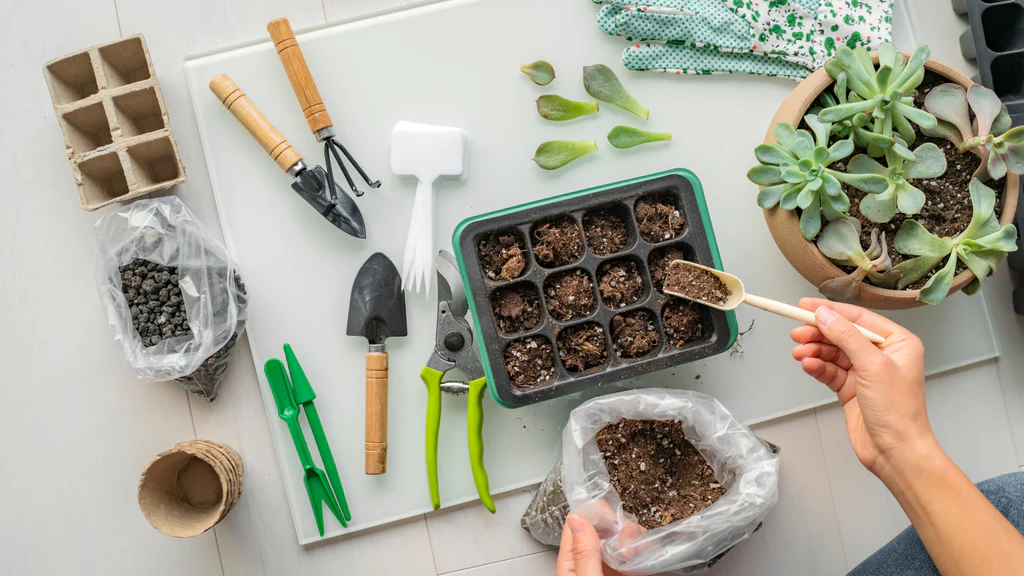
You don’t need fancy equipment—just a few basic tools:
- Sharp pruning shears
- Clean knife
- Rooting hormone (optional)
- Small pots or trays
- Sterile soil or cocopeat
- Spray bottle
- Plastic cover or humidity dome
Clean tools prevent infection and improve rooting success.
Method 1: Propagating Plants from Stem Cuttings
Stem cuttings are the easiest and most common method.
Best for:
Rose, lemon, guava, hibiscus, mint, basil, money plant, jasmine.
Step-by-Step Guide
Step 1: Choose a Healthy Stem
Select a stem that is:
- Fresh
- Disease-free
- Semi-hardwood (not too soft, not too woody)
Length: 6–8 inches
Step 2: Make Clean Cuts
- Cut below a node
- Cut top straight
- Use sterilized tools
Step 3: Remove Lower Leaves
Leaves at the bottom cause rot.
Keep 1–2 leaves at the top only.
Step 4: Apply Rooting Hormone
(Optional but very effective)
Use:
- Commercial powder
- Aloe vera
- Honey
- Cinnamon
These stimulate root growth.
Step 5: Plant the Cutting
Use a light medium:
- Cocopeat
- Sand
- Perlite
- Mix
Insert cutting 2–3 inches deep.
Step 6: Maintain Humidity
Cover with:
- Plastic bottle
- Plastic bag
- Mini greenhouse
Humidity encourages rooting.
Step 7: Provide Indirect Light
Avoid direct sunlight.
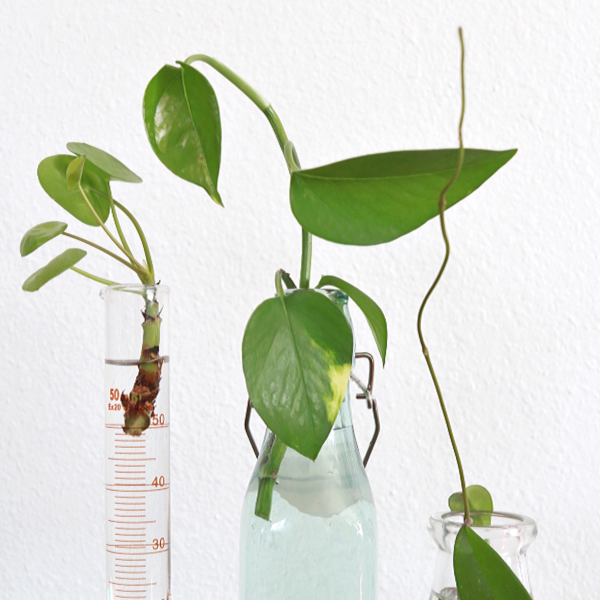
Roots appear in:
- 2–4 weeks (most plants)
- 4–8 weeks (harder plants)
Once new leaves grow → transplant.
Method 2: Leaf Propagation (Succulents & Ornamentals)
Great for:
- Jade plant
- Aloe
- Begonia
- African violet
Steps
- Select a thick, healthy leaf
- Cut cleanly
- Allow it to dry for 1–2 days
- Place on soil (don’t bury)
- Mist regularly
- Wait for tiny plantlets
Roots and baby plants form in 4–6 weeks.
Method 3: Air Layering (Best for Fruit Trees)
Air layering works for plants that don’t root easily from cuttings.
Perfect for:
- Mango
- Lychee
- Guava
- Citrus
- Rubber plant
Steps
- Choose a healthy branch
- Remove a ring of bark
- Apply rooting hormone
- Wrap with moist moss
- Cover with plastic
- Seal tightly
Roots appear in 4–12 weeks.
Then cut and plant.
Method 4: Root Division
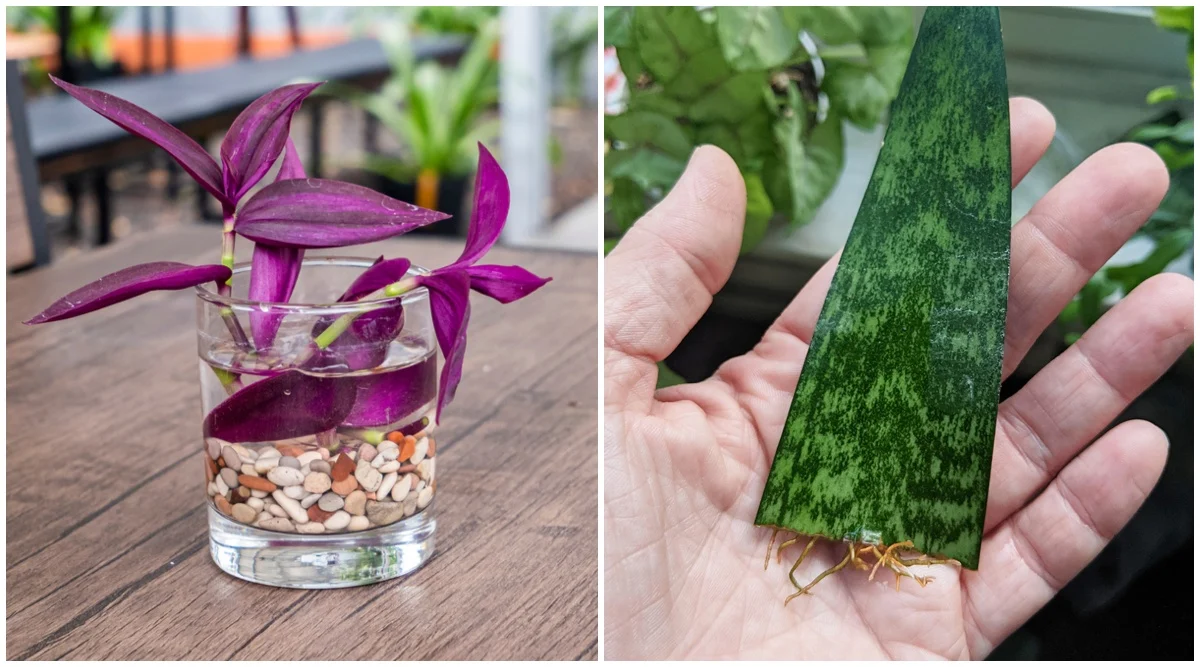
Useful for plants that form clumps:
- Mint
- Ginger
- Turmeric
- Ferns
- Chrysanthemum
Steps
- Remove plant from pot
- Separate roots gently
- Divide into sections
- Plant in new pots
- Water lightly
Instant new plants with minimal effort.
Method 5: Propagation by Offsets / Suckers
Many plants naturally produce babies.
Examples:
- Banana
- Aloe vera
- Spider plant
- Orchids
Steps
- Locate the offset
- Cut with a clean blade
- Allow to dry
- Plant in soil
- Water lightly
This method has very high success rate.
Key Factors for Propagation Success
Propagation success depends on:
Humidity
Most cuttings need high humidity.
Temperature
Ideal: 20–28°C
Light
Bright indirect light, not direct sun.
Soil
Light, airy, and sterile.
Water
Moist—not wet.
Patience
Roots take time.
Do not disturb the cutting.
Common Mistakes Beginners Make
Overwatering
Using old or weak stems
Direct sunlight
Heavy soil
Not sanitizing tools
Checking for roots too often
Avoiding these mistakes dramatically improves success.
Propagation Tips from Expert Gardeners
Tip 1: Use fresh cuttings
Older stems root slowly.
Tip 2: Keep cuttings warm
Warmth accelerates root formation.
Tip 3: Use natural hormones
Aloe vera and honey work amazingly.
Tip 4: Remove flowers
Flowers drain energy—remove them.
Tip 5: Clean environment
Prevent fungal infection.
Why Propagation Is Important Today
Propagation is not just a hobby; it helps:
- Maintain plant biodiversity
- Reduce nursery pollution
- Preserve rare varieties
- Promote sustainable gardening
- Encourage self-sufficiency
With propagation, gardeners become creators—not just growers.
Final Thoughts
Learning how to propagate plants opens endless possibilities. From multiplying ornamental plants to growing fruit trees at a fraction of the cost, propagation empowers gardeners with creativity, knowledge, and sustainability.
Whether you choose cuttings, layering, division, or leaf propagation, the process teaches patience and rewards you with living, growing plants.
Start with an easy plant, follow the steps carefully, and soon you’ll have a garden full of new plants grown with your own hands.
Propagation is nature’s magic — and now you know how to perform it.