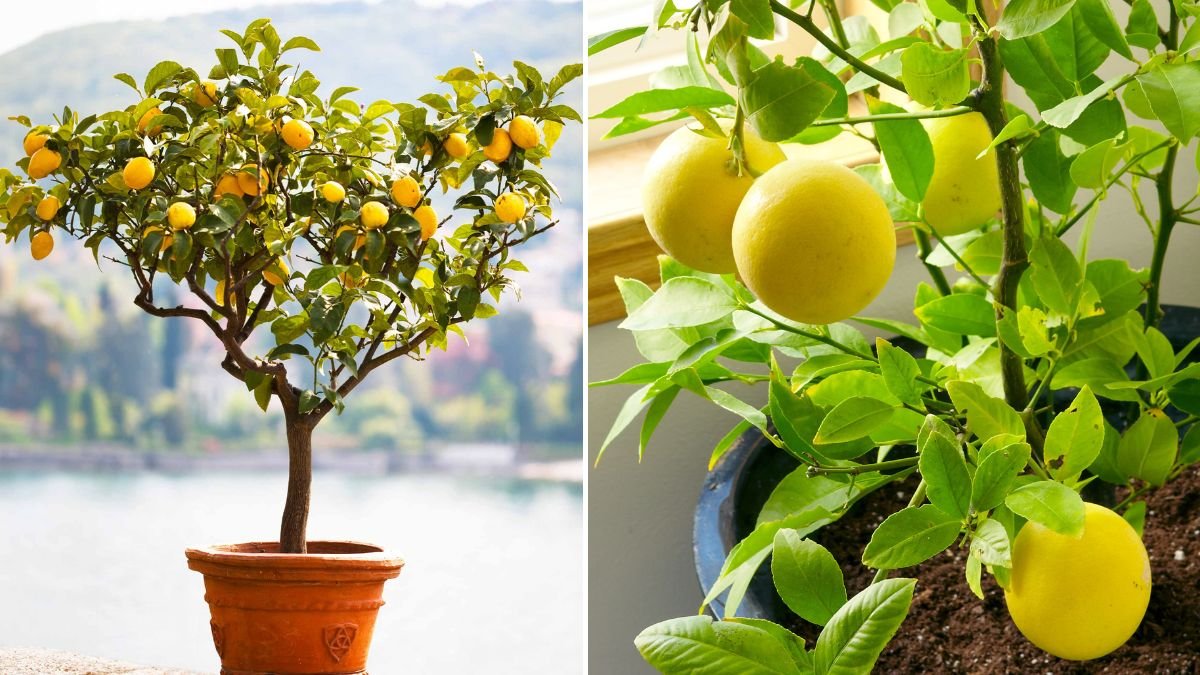
Lemon trees are among the most beloved fruit-bearing plants globally due to their versatility, zesty flavor, and refreshing scent. For homeowners with small outdoor spaces, dwarf lemon trees present an excellent opportunity to grow citrus at home without compromising space. This guide will cover everything you need to successfully cultivate a dwarf lemon tree in your small backyard, ensuring that you can enjoy fresh lemons year-round.
Understanding Dwarf Lemon Trees
What Are Dwarf Lemon Trees?
Dwarf lemon trees are smaller versions of traditional lemon trees. Typically, they grow between 3 to 6 feet tall, making them perfect for compact spaces. Varieties such as ‘Improved Meyer’ and ‘Ponderosa’ are popular among home gardeners for their ease of maintenance and bountiful yields.
Benefits of Growing Dwarf Lemon Trees:
- Space Efficient: Ideal for patios or small yards.
- Year-Round Freshness: With the right care, they can produce fruit multiple times a year.
- Ornamental Appeal: Their fragrant flowers and glossy leaves add beauty to your outdoor space.
Selecting the Right Location
Sunlight Requirements
Dwarf lemon trees thrive in full sunlight, requiring at least 8 hours of direct sunlight daily. Identify the brightest spot in your backyard where the tree can access ample light.
Soil Type
Lemon trees prefer well-draining soil with a pH between 5.5 and 6.5. Avoid heavy clay soils that retain moisture as they can lead to root rot. A sandy loam mix enriched with organic matter is ideal.
Container vs. Ground Planting
If space permits, you can plant your dwarf lemon tree directly in the ground. Otherwise, choose a sturdy container with drainage holes. Containers are flexible but may require more frequent watering.
Planting Your Dwarf Lemon Tree
Choosing the Right Time
The best time to plant a dwarf lemon tree is in the spring after the last frost, allowing the tree to establish roots before summer heat arrives.
Planting Steps
-
Prepare the Soil: Amend the chosen planting area or potting mix with compost to enrich it.
-
Dig a Hole: Make a hole twice the width of the root ball but no deeper than the root ball itself.
-
Place the Tree: Carefully remove the tree from its container, loosen any tightly bound roots, and place it in the center of the hole.
-
Fill and Water: Fill in the hole with soil, gently pressing to eliminate air pockets. Water thoroughly to settle the soil around the roots.
-
Add Mulch: Apply a layer of mulch around the base to retain moisture and regulate soil temperature.
Care and Maintenance
Watering
Dwarf lemon trees require regular watering, especially during dry spells. The soil should be kept moist but not soggy. Water deeply and let the top couple of inches of soil dry out between waterings.
Fertilizing
Using a balanced, slow-release fertilizer designed for citrus trees is essential for healthy growth. Apply fertilizer every 6-8 weeks during the growing season, following the manufacturer’s instructions for dosage.
Pruning
Regular pruning is vital for maintaining shape and encouraging growth. Trim back any dead or diseased branches and thin out crowded areas to promote airflow.
Pest and Disease Management
Common pests include aphids and spider mites. Regularly inspect your tree, and use organic insecticides if necessary. Additionally, ensure adequate airflow to prevent fungal diseases.
Harvesting Your Lemons
Depending on the variety, it may take several months after flowering for lemons to mature. The fruit will generally turn a bright yellow when ready to harvest. A gentle twist will easily detach ripe lemons from the branch. It’s best to harvest occasionally to encourage more fruit production.
Creating a Microclimate
For those living in cooler climates, consider creating a microclimate around your lemon tree. Planting in a sheltered area close to a wall can help retain heat and protect against cold winds. You might also consider using frost cloth during unexpected dips in temperature to shield your tree.
Growing Dwarf Lemon Trees Indoors
If small outdoor space is an issue, consider growing your dwarf lemon tree indoors. Ensure it receives plenty of sunlight, ideally near a south-facing window. Rotate the pot regularly to ensure even sunlight exposure. Indoor trees may require supplemental grow lights during darker months.
Seasonal Care Tips
Spring
- Start fertilizing when new growth appears.
- Check for pests as growth accelerates.
Summer
- Increase watering during hot months.
- Protect from extreme heat if necessary.
Fall
- Thin out any fruits to prevent them from bearing too heavily and encourage larger fruit.
- Prepare for possible indoor transition if experiencing frost conditions.
Winter
- Reduce watering frequency as the tree enters dormancy.
- Monitor for signs of overwatering, especially if grown indoors.
FAQs
1. How much space do I need for a dwarf lemon tree?
Dwarf lemon trees can grow in spaces as small as 3 feet by 3 feet. A container can also be used for added flexibility.
2. How long does it take for a dwarf lemon tree to bear fruit?
Typically, a dwarf lemon tree can start bearing fruit within 1 to 3 years after planting.
3. Can I keep my dwarf lemon tree indoors year-round?
Yes, dwarf lemon trees can thrive indoors, but they will require sufficient light (ideally natural sunlight or grow lights), regular watering, and humidity.
4. What is the best fertilizer for dwarf lemon trees?
Use a balanced, slow-release fertilizer specially formulated for citrus trees, which provides essential nutrients like nitrogen, phosphorous, and potassium.
5. How should I prune my dwarf lemon tree?
Prune your tree in early spring before new growth begins. Remove any dead, diseased, or overcrowded branches to encourage healthy growth and airflow.
6. Can I grow more than one dwarf lemon tree in the same space?
Yes, as long as they have enough room for their roots and foliage to spread, you can grow multiple dwarf lemon trees close together, considering their sunlight and nutrient needs as well.
7. What pests should I watch for?
Aphids, spider mites, and whiteflies are common pests. Regular monitoring and organic insecticides can help control them.
Conclusion
Cultivating a dwarf lemon tree is a fulfilling venture that not only brings vibrant greenery and delightful scents to your backyard but also provides fresh lemons for culinary creations. With the right care, you can enjoy the fruits of your labor, ensuring a consistent supply of fresh citrus throughout the year. Grow your own little slice of lemon heaven by following the guidelines laid out in this article, and soon you will have a treasure trove of zesty fruits to elevate your meals and beverages!