Introduction
Indoor plants have a unique way of transforming spaces, adding color, texture, and character to any room. Among the many choices for houseplants, the Vriesea Flaming Sword stands out, primarily due to its striking foliage and captivating flowers. Originating from tropical regions, this bromeliad not only beautifies interiors but is also relatively easy to care for, making it an excellent choice for both novice and experienced plant enthusiasts alike.
In this guide, we’ll explore the essential steps to successfully cultivate Vriesea Flaming Sword plants indoors, offering tips on care, maintenance, and styling to elevate your home decor.
Understanding the Vriesea Flaming Sword Plant
Botanical Characteristics
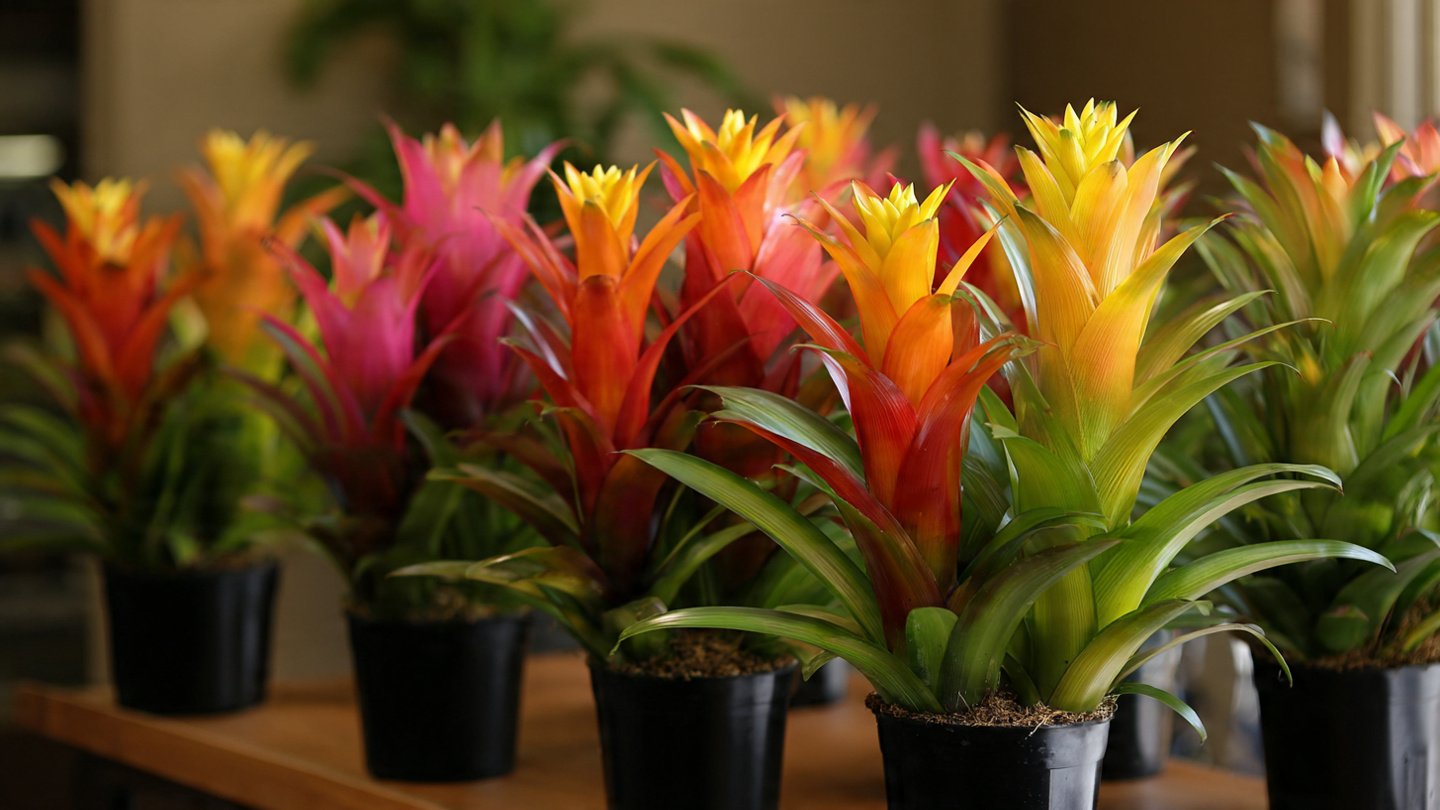
The Vriesea Flaming Sword (Vriesea splendens) is a member of the Bromeliaceae family, recognized for its long, sword-like leaves that can grow up to three feet long. These leaves grow from a rosette shape, typically ranging in color from green to a striking variegated pattern. What truly makes the Flaming Sword special, however, are its vibrant flower spikes, which boast bright reds, yellows, and oranges.
Natural Habitat
Native to the rainforests of Brazil, Vriesea thrives in warm, humid environments. This background is crucial for understanding how to recreate a similar atmosphere in your indoor space.
Choosing the Right Location
Light Requirements
Vriesea Flaming Sword plants prefer bright, indirect light. A south or east-facing window is ideal, but they can also thrive in moderate light conditions. Too much direct sunlight can burn the leaves, while too little light can hinder growth. Observing the plant closely can help determine its light needs; if the leaves appear leggy or pale, they may need more light.
Temperature and Humidity
These plants flourish in temperatures between 60°F to 80°F (15°C to 27°C). They do not tolerate frost well, so it’s essential to keep them in a climate-controlled environment.
Humidity is a critical factor as well. Since Vriesea plants thrive in moist conditions, maintaining humidity levels of about 50%-70% is beneficial. You can boost humidity through methods such as:
- Misting: Lightly misting the leaves can increase humidity. However, avoid over-wetting, as this can lead to rot.
- Pebble Trays: Placing your plant pot on a tray filled with water and pebbles can maintain moisture in the air around the plant.
- Humidifiers: Using a room humidifier during the dry winter months can also help maintain optimal humidity levels.
Potting and Soil
Choosing the Right Pot
When selecting a pot for your Vriesea, opt for a container with good drainage holes. Potting in an appropriately sized container (not too large, as this can retain excess moisture) will help manage water levels effectively.
Ideal Soil Mix
Bromeliads, including Vriesea, prefer well-draining soil. A specialized bromeliad mix or a combination of potting soil, orchid bark, and perlite is ideal. This mix allows for good aeration and drainage, preventing root rot.
Watering Guidelines
How to Water
Watering is one of the crucial aspects of Vriesea care. Unlike many houseplants, Vriesea can absorb water through its leaves. Here are some watering tips:
- Watering the Plant: Water the central rosette of leaves instead of pouring water directly into the soil. This mimics their natural habitat, where rain would collect in the leaf clusters.
- Soil Moisture: Check the soil moisture before watering. If the top inch of soil feels dry, it’s time to water. Overwatering can lead to root rot, which can quickly kill your plant.
- Fertilization: Fertilizing your plant during the growing season (spring and summer) can promote healthy growth. Use a dilute, water-soluble fertilizer suitable for bromeliads. Apply it every four to six weeks to support blooming.
Understanding the Blooming Process
The Vriesea Flaming Sword typically blooms once a year. The stunning flower spike can last for several months, adding vibrant colors to your space. To promote blooming, ensure that your plant receives adequate light and fertilizer.
Post-Bloom Care
Once the flowers fade, it’s essential to care for the plant properly, as it may produce offsets (pups) that you can propagate. After blooming, the parent plant may decline over time. Cutting back on watering during this period can help encourage the growth of new offsets.
Pest and Disease Management
Common Pests
While Vriesea is generally pest-resistant, common pests such as mealybugs and aphids can occasionally appear. Here are some tactics to manage infestations:
- Cleaning: Regularly wipe down the leaves to remove dust and potential pests.
- Insecticidal Soap: Use insecticidal soap or neem oil for any infestations, applying it directly to the affected areas.
Diseases
Watch out for signs of fungal diseases, which can arise from overwatering. If any leaves turn yellow or mushy, remove them immediately and adjust your watering schedule.
Styling Your Vriesea Flaming Sword
The Vriesea Flaming Sword can be a standout feature in any decor. Here are some creative ways to display it:
- Table Centerpiece: Use a decorative pot and place it on a dining or coffee table to create an eye-catching centerpiece.
- Hanging Display: Consider hanging the plant in a macramé holder. It allows the leaves to cascade, adding a touch of bohemian flair.
- Group Planting: Pair it with other tropical plants in a cluster for a lush, tropical vibe.
- Window Sill Garden: Create a mini garden on your window sill, showcasing the Vriesea alongside other bromeliads or succulents.
Frequently Asked Questions (FAQs)
1. How often should I water my Vriesea Flaming Sword?
Water your Vriesea when the top inch of soil is dry. This typically translates to once a week, but it may vary based on humidity and temperature.
2. Can I keep my Vriesea in direct sunlight?
No, Vriesea prefers bright, indirect light. Direct sunlight can scorch its leaves.
3. Why are the leaves on my Vriesea turning yellow?
Yellowing leaves may indicate overwatering or inadequate light. Check the soil moisture and adjust light conditions accordingly.
4. How do I propagate my Vriesea Flaming Sword?
After blooming, your Vriesea will likely produce offsets (pups) that can be detached and potted once they reach a few inches in height.
5. Is the Vriesea Flaming Sword pet-friendly?
Yes, Vriesea plants are generally considered non-toxic to pets.
6. When should I fertilize my Vriesea?
Fertilize during the growing season (spring and summer) every four to six weeks with a diluted bromeliad fertilizer.
7. What kind of pot should I use?
Choose a pot with good drainage holes. A terracotta pot or a plastic pot with drainage is ideal for Vriesea.
Conclusion
Cultivating a Vriesea Flaming Sword plant can be a gratifying experience. With the right care, your indoor plant can thrive, enhancing your home decor with its vibrant foliage and stunning flowers. Following these guidelines will ensure that you enjoy a healthy and beautiful Vriesea environment, adding a touch of tropical charm to your living space. Whether you’re a seasoned plant parent or a novice looking to add some green to your home, the Vriesea Flaming Sword is an excellent choice.