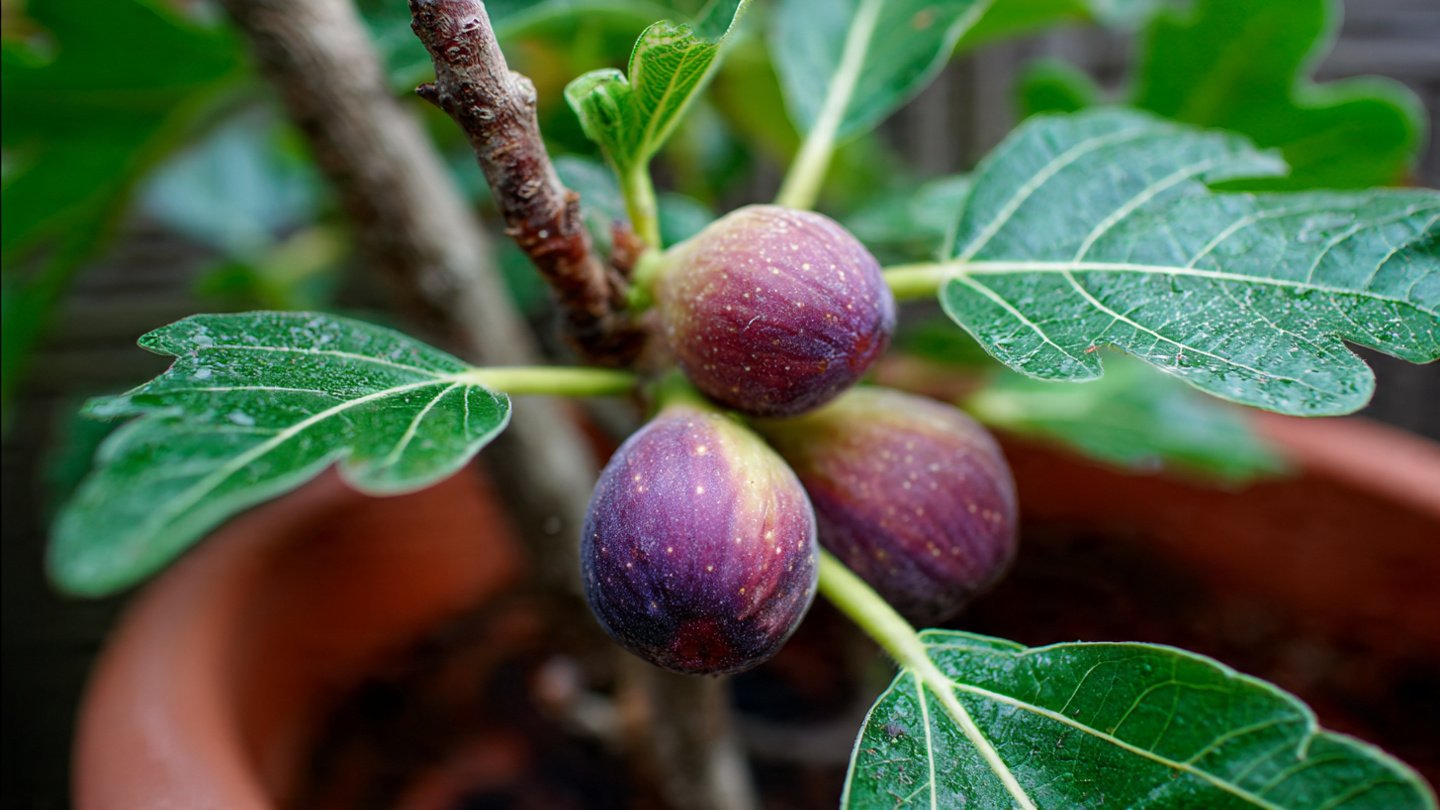
Growing a dwarf fig tree in your backyard can be a rewarding experience. Not only do these trees provide delicious fruit, but they also add beauty to your garden space. With the right care, you can ensure maximum fruit production and enjoy the succulent flavors of fresh figs. This article provides a comprehensive guide on how to successfully grow a dwarf fig tree, including tips on planting, care, pests, and more.
Understanding Dwarf Fig Trees
Dwarf fig trees (Ficus carica) are smaller varieties of the traditional fig tree, making them suitable for home gardens and small spaces. Unlike standard fig trees, which can grow upwards of 30 feet, dwarf varieties typically reach a height of 3 to 6 feet. This compact size makes them perfect candidates for container gardening or limited backyard spaces.
Varieties of Dwarf Fig Trees
Some popular dwarf fig tree varieties include:
- Petite Negra: Known for its rich flavor, this variety produces small, sweet, dark purple figs.
- Little Miss Figgy: This hybrid produces sweet, medium-sized figs and has attractive foliage.
- White Adriatic: This variety is praised for its sweet, light-colored figs and can also be grown in a pot.
Choosing the Right Location
The first step in growing a successful dwarf fig tree is selecting the ideal location. Here are some factors to consider:
Sunlight
Dwarf fig trees thrive in full sun, meaning they need at least 6 to 8 hours of direct sunlight each day. Choose a location that receives adequate sunlight, as this will encourage fruit production and overall tree health.
Soil
Figs prefer well-draining soil with a slightly acidic to neutral pH (between 6.0 and 7.0). Heavy clay soils can lead to root rot, while sandy soils drain too quickly. If your soil quality is poor, consider amending it with compost or planting your fig in a container filled with high-quality potting mix.
Protection from Wind
Strong winds can damage dwarf fig trees and reduce fruit production. If you live in a windy area, consider planting your tree near a wall, fence, or other structure for protection.
Planting Your Dwarf Fig Tree
Once you’ve chosen the right location, it’s time to plant your dwarf fig tree. Here’s how:
Timing
The best time to plant a dwarf fig tree is in the spring or fall when temperatures are moderate. Avoid planting in extreme heat or frost, as this can stress the tree.
Planting Steps
-
Prepare the Hole: Dig a hole that is twice as wide as the root ball and just as deep as the root ball itself. Loosen the soil at the bottom to encourage root penetration.
-
Amend the Soil: Mix in compost or well-rotted manure, if necessary, to improve fertility and drainage.
-
Plant the Tree: Carefully remove the tree from its container and gently shake off excess soil. Place the tree in the center of the hole, ensuring the top of the root ball is level with the ground surface. Backfill the hole with soil, pressing down gently to eliminate air pockets.
-
Water Thoroughly: After planting, water the tree deeply to help settle the soil and provide moisture to the roots.
Caring for Your Dwarf Fig Tree
Once planted, your dwarf fig tree will require regular care to ensure maximum fruit production.
Watering
Dwarf fig trees need regular watering, especially during dry periods. The soil should be kept consistently moist, but not soggy. A good rule of thumb is to water deeply once a week, adjusting based on rainfall and temperature.
Fertilizing
Fertilization will support healthy growth and fruit production. Use a balanced fertilizer (10-10-10) in the spring as new growth begins. Avoid over-fertilizing, which can result in lush foliage with minimal fruit.
Pruning
Pruning is crucial to maintaining the health of your dwarf fig tree and encouraging fruit production:
-
Timing: Prune in late winter or early spring before new growth starts.
-
Technique: Remove dead, damaged, or crossing branches, and thin out crowded areas to improve air circulation. You can also lightly shape the tree to maintain its size and encourage sunlight penetration.
Pest and Disease Management
Dwarf fig trees can be susceptible to various pests and diseases. Common pests include aphids, spider mites, and scale. Here are some prevention and management strategies:
- Insects: Regularly inspect your tree and use insecticidal soap or neem oil to control pests.
- Diseases: Fungal diseases, like root rot, can be prevented by ensuring proper drainage and avoiding overwatering.
Encouraging Maximum Fruit Production
To maximize fruit production, consider the following strategies:
Pollination
Many fig varieties are self-pollinating, which simplifies the fruiting process. However, some require a specific type of wasp for pollination. Check the variety to understand its pollination needs.
Thinning Fruits
If your tree is producing more figs than it can support, thin the fruits to ensure those remaining can grow larger and sweeter. Remove smaller or damaged figs while they’re still immature.
Harvesting
Figs do not continue to ripen once picked, so it’s essential to harvest them at the right time. Look for figs that are soft to the touch and slightly wrinkled, indicating they are ripe and ready to eat. Gently twist or cut the fruit from the tree to avoid damaging the main stem.
Winter Care
If you live in a colder climate, special care is needed during winter to protect your dwarf fig tree:
-
Mulching: Apply a thick layer of mulch around the base of the tree to insulate the roots.
-
Container Care: For potted dwarf figs, consider bringing the container indoors or placing it in a sheltered spot to prevent freezing.
-
Wrap the Tree: If your tree is in-ground, you can wrap it with burlap or protective frost cloth for added insulation against cold temperatures.
Troubleshooting Common Problems
While growing a dwarf fig tree is generally straightforward, you might encounter challenges. Here’s how to address some common issues:
Fig Drop
If your fig tree drops its fruit prematurely, it could be due to stress from lack of water, extreme temperatures, or poor pollination. Monitor your watering schedule and ensure that the tree is getting adequate care.
Leaf Drop
If the leaves are dropping, this may signify overwatering or underwatering. Check the soil moisture and adjust your watering habits accordingly.
Pests Infestation
Regularly inspect for pests. A mix of water and dish soap sprayed on the affected areas can control light infestations.
Conclusion
Growing a dwarf fig tree in your backyard is not only feasible but can also lead to a fruitful harvest with careful planning and attention. By following the tips outlined in this guide, you’ll be well on your way to enjoying fresh, delicious figs right from your garden. With time and patience, your dwarf fig tree can flourish beautifully, providing sweet rewards for years to come.
Frequently Asked Questions (FAQs)
1. How often should I water my dwarf fig tree?
Water your dwarf fig tree deeply once a week, adjusting based on weather conditions. In very hot or dry periods, you may need to water more frequently.
2. What kind of fertilizer should I use?
A balanced fertilizer with equal parts nitrogen, phosphorus, and potassium (10-10-10) is ideal for dwarf fig trees. Apply it in the spring as new growth begins.
3. How long does it take for a dwarf fig tree to bear fruit?
Most dwarf fig trees will start producing fruit within 1 to 3 years after planting, depending on the variety and growing conditions.
4. Can dwarf fig trees be grown in pots?
Yes! Dwarf fig trees are perfect for container gardening. Ensure the pot has good drainage and use a high-quality potting mix.
5. Do fig trees need pruning?
Yes, regular pruning helps to shape the tree and encourages healthier growth and better fruit production. Prune in late winter or early spring before new growth begins.
6. What should I do if my tree has fruit drop?
Fruit drop often occurs due to stress from watering issues, extreme temperatures, or insufficient pollination. Ensure your tree receives adequate care, including water and fertilizer.
By taking the time to understand the needs of your dwarf fig tree and implementing the right practices, you’ll pave the way for a fruitful and enjoyable gardening experience. Happy planting!