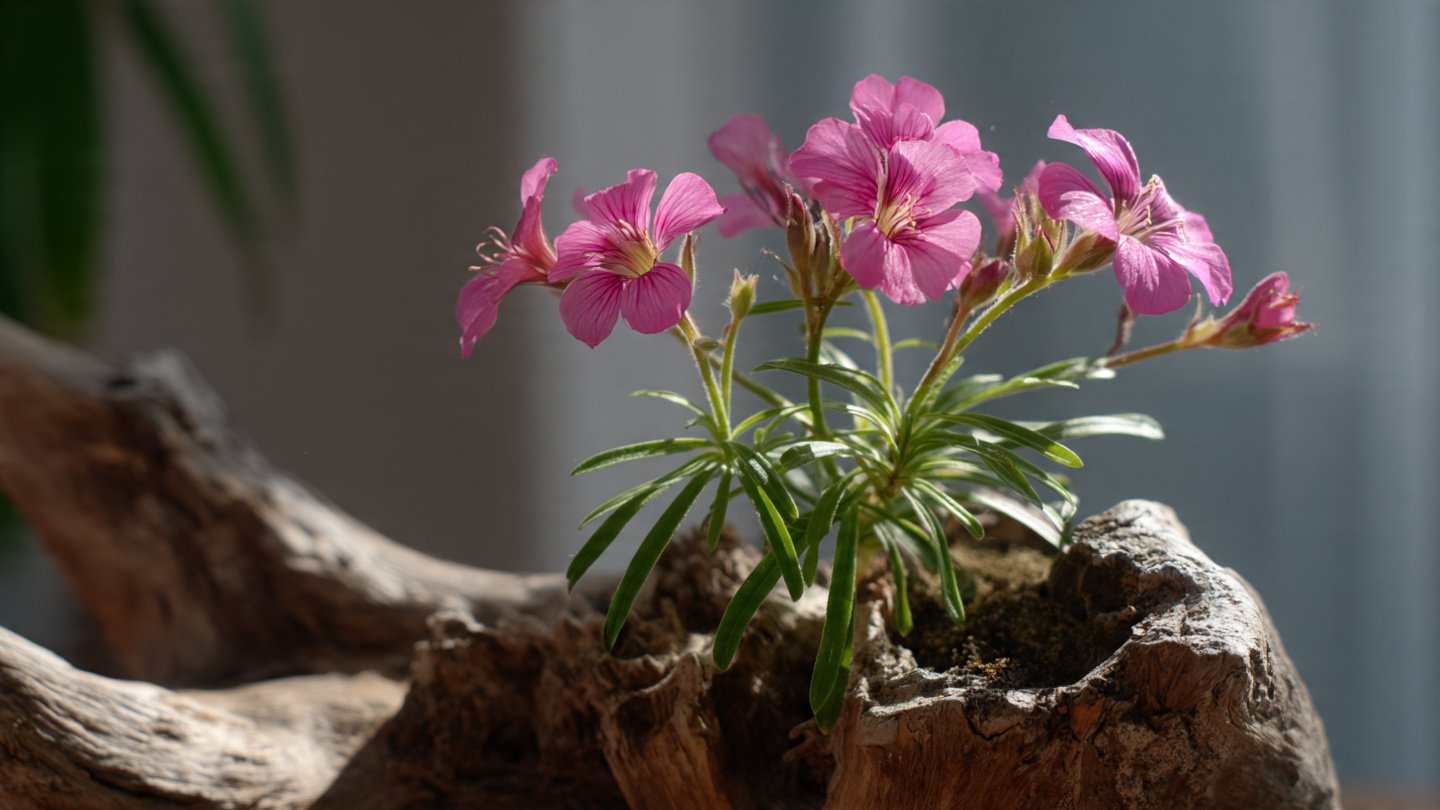
Aparajita, also known as Butterfly Pea (scientific name: Clitoria ternatea), is a stunningly beautiful and versatile plant that features vibrant blue flowers and lush green foliage. Native to tropical regions in Asia, this climbing plant can be successfully cultivated as a houseplant, offering both aesthetic appeal and practical benefits. In this article, we will explore the essential aspects of growing Aparajita indoors, from selecting the right potting mix to providing appropriate care and light conditions.
Understanding Aparajita
Overview and Benefits
Aparajita is not merely an ornamental plant; it also has medicinal properties and is used in traditional medicine across various cultures. The flowers are famous for their deep blue color, occasionally appearing in shades of white and purple, and they are known to be rich in antioxidants. Moreover, they’re often used to make herbal teas and natural food colorings.
Growth Requirements
Before diving into the care tips, it’s important to understand the growth requirements of Aparajita:
- Light: Bright, indirect light is ideal. Direct sun can scorch the leaves, while low light can stunt growth.
- Soil: Well-draining potting mix is essential. Consider using a mix designed for orchids or making your own with equal parts compost, peat, and perlite.
- Water: Moderate watering is required. The soil should be kept moist but not soggy.
- Temperature: Thrives in warm temperatures, ideally between 68°F and 85°F (20°C to 29°C).
- Humidity: Prefers a humid environment, making it perfect for kitchens or bathrooms.
Choosing the Right Pot
Type of Pot
When selecting a pot for your Aparajita plant, consider the following:
- Material: Clay pots allow for better airflow but may dry out faster. Plastic pots retain moisture well but can lead to root rot if drainage isn’t adequate.
- Size: Start with a pot that is 6-8 inches in diameter for small plants; as it grows, consider transferring to a larger pot to encourage healthy root development.
Drainage
Ensure that the pot has drainage holes at the bottom. This will prevent water from accumulating, which can lead to root rot. If using a decorative pot without holes, place the plant in a smaller pot with holes to facilitate drainage.
Preparing the Soil
Soil Mix
A good soil mix is fundamental for healthy growth:
- Compost or Organic Matter: Provides nutrients.
- Peat Moss or Coconut Coir: Retains moisture without waterlogging.
- Perlite or Sand: Ensures good drainage and aeration.
You can use a pre-mixed potting soil suitable for flowering plants, or create a blend of equal parts compost, peat, and perlite.
Planting the Aparajita
Timing
The best time to plant Aparajita is during the spring when the risk of frost has passed. This allows the plant to establish roots during the warmer months.
Planting Steps
- Fill the Pot: Add the soil mix to the pot, leaving about 2 inches at the top.
- Position the Plant: Remove the Aparajita from its nursery pot and gently loosen the roots. Place it in the center of the new pot.
- Fill in More Soil: Add more soil around the plant, ensuring it is stable and upright. Press down gently to remove air pockets.
- Water Thoroughly: Water the plant well to help settle the soil.
Light Requirements
Finding the Ideal Spot
Aparajita loves bright, indirect light. Here are some ways to manage light:
- Near a Window: Place the plant near a window that receives filtered sunlight.
- Grow Lights: If you lack sufficient natural light, consider using a grow light specifically designed for plants.
Monitoring Light Exposure
Keep an eye on the plant’s response to light. If the leaves start to yellow or fall off, it may be receiving too much direct sunlight. Conversely, if the plant becomes leggy or the growth slows, it might need more light.
Watering Guidelines
Watering Frequency
Overwatering is a common mistake with houseplants, and Aparajita is no exception. Follow these tips:
- Soil Check Method: Stick your finger about an inch into the soil. If it feels dry, it’s time to water.
- Watering Amount: When watering, do so thoroughly until water drains out of the bottom. Empty the saucer to avoid standing water.
Seasonal Adjustments
In winter, the plant may require less watering as its growth slows down. During the growing season (spring and summer), increase the watering frequency.
Humidity and Temperature Needs
Maintaining Humidity
Aparajita enjoys humidity, so consider:
- Misting: Lightly mist the plant’s leaves a few times a week.
- Humidity Tray: Place a tray filled with water and pebbles near the plant to increase local humidity levels.
- Group Plants Together: Placing your Aparajita with other humidity-loving plants can create a microclimate.
Optimal Temperature
Keep your Aparajita in a warm environment:
- Ideal Range: 68°F to 85°F (20°C to 29°C).
- Avoid Drafts: Keep it away from cold drafts, such as open windows or air conditioning vents.
Fertilizing
Nutrient Requirements
Aparajita can benefit from regular feeding:
- Type of Fertilizer: Use a balanced liquid fertilizer, diluted to half strength.
- Fertilizing Schedule: Fertilize every 4-6 weeks during the growing season and reduce or stop in the fall and winter.
Pruning and Maintenance
When to Prune
Pruning is essential for a healthy Aparajita:
- Timing: Late winter or early spring, just before the growing season begins, is ideal.
- Purpose: Remove dead or yellowing leaves, and trim back leggy growth to encourage bushier growth.
Topiary and Support
As a climbing plant, Aparajita may need assistance:
- Trellis or Support: Provide a trellis or stakes for the plant to climb.
- Training the Vines: Gently guide the vines to climb the support structure to maintain an attractive shape.
Common Pests and Problems
Pests to Watch Out For
Though relatively low maintenance, Aparajita can attract certain pests:
- Aphids: Small, pear-shaped insects that suck sap. Use insecticidal soap or neem oil to control them.
- Spider Mites: Fine webs and yellowing leaves indicate an infestation. Increase humidity and apply insecticidal soap.
- Whiteflies: Small white bugs on the underside of leaves. Use sticky traps and insecticidal measures as needed.
Diseases
Root rot from excess moisture and fungal infections can occur. Ensure adequate drainage and air circulation to prevent these issues.
Harvesting and Usage
Harvesting Flowers
The beautiful blooms of Aparajita are not just for show:
- Timing: Harvest the flowers when fully open.
- Use: They can be used to make herbal teas, natural dyes, or added to dishes for aesthetic appeal.
Culinary and Medicinal Uses
The flowers are not just edible; they also come with various health benefits, including anti-inflammatory properties and promotion of overall wellness.
Conclusion
Growing Aparajita as a houseplant can be a rewarding experience, providing you with a gorgeous and useful addition to your indoor garden. With proper care suited to its needs—ranging from the right light conditions to adequate watering and humidity—you can enjoy the beauty and benefits of this mesmerizing plant year-round. By following this comprehensive guide, you’ll not only cultivate a thriving Aparajita but also foster a deeper appreciation for its stunning beauty and versatility in your home. Get ready to enjoy an enchanting plant that truly thrives with a little care and attention!