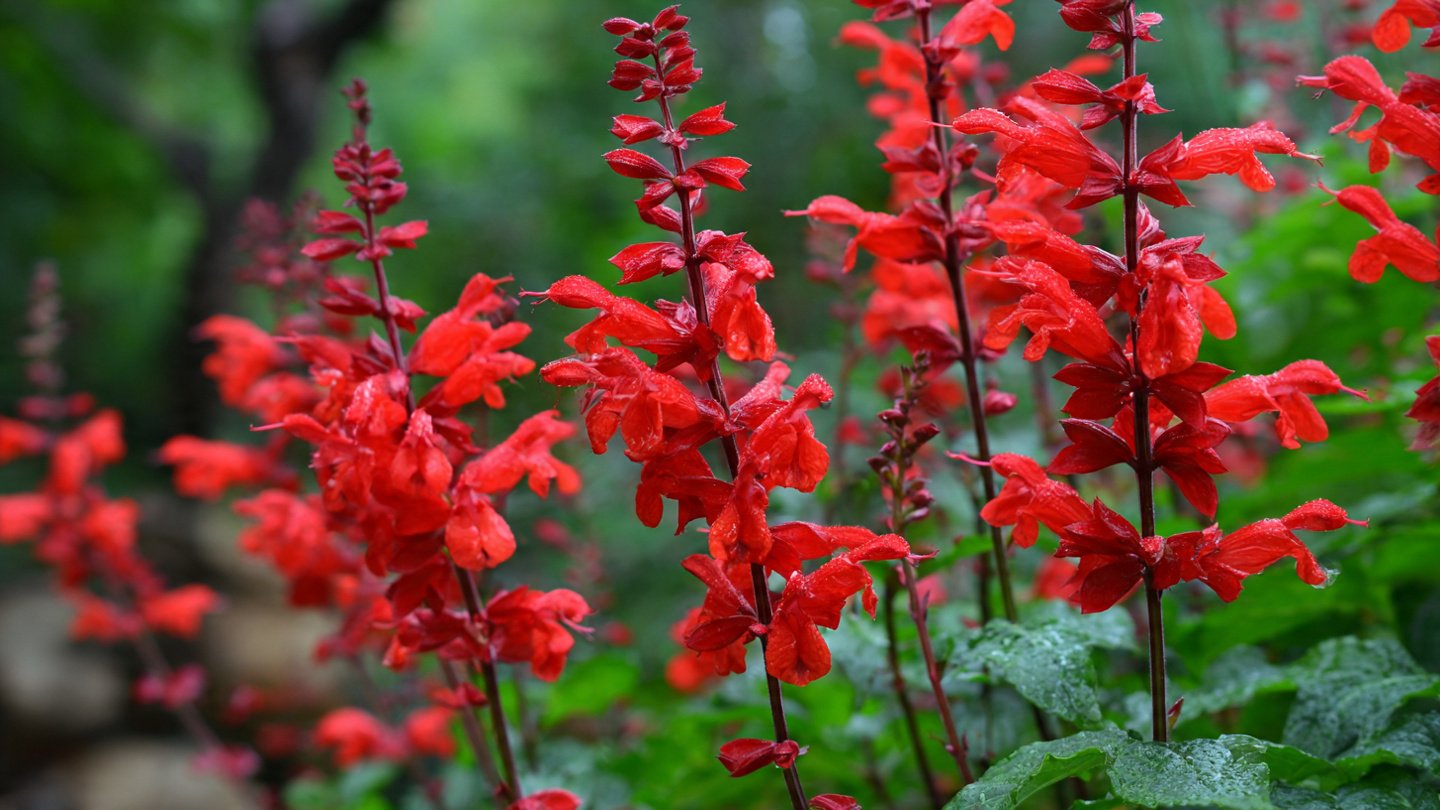
Growing beautiful red salvia flowers can add vibrant color and texture to any home garden. These stunning plants are not only attractive but also attract pollinators like butterflies and hummingbirds. Below, we’ll explore the best practices for growing red salvia, from selection and planting to care and maintenance, ensuring your garden flourishes with these fiery blooms.
Understanding Red Salvia
What is Salvia?
Salvia, commonly known as sage, is a genus that encompasses over 1,000 species of plants, including both annuals and perennials. The vibrant red variety, known as Salvia splendens, is particularly popular for its showy flowers and lush foliage. Originating from tropical regions, red salvia thrives in warm climates but can also be grown in cooler regions with proper care.
Benefits of Planting Red Salvia
- Attracts Pollinators: The vivid red flowers are irresistible to hummingbirds and bees, contributing to a healthy garden ecosystem.
- Diverse Uses: Red salvia can be used in borders, containers, or as specimens in garden beds. Their long blooming period provides continuous color.
- Low Maintenance: Once established, these plants are drought-tolerant and require minimal care.
Growing Red Salvia
Choosing the Right Variety
Before planting, it’s essential to select the right type of red salvia. Some popular varieties include:
- S. splendens ‘Red Velvet’: Known for its deep crimson flowers.
- S. coccinea: A perennial variety with tubular flowers and native to the southeastern United States.
Ideal Growing Conditions
Climate
Red salvia thrives in USDA hardiness zones 9 to 11 but can be grown as an annual in cooler areas. Ensure the local climate supports the growth of salvia.
Soil Type
A well-drained, loamy soil enriched with organic matter is ideal. Red salvias prefer slightly acidic to neutral pH levels (6.0 to 7.0).
Sunlight
Red salvia flourishes in full sun; they require at least 6 hours of direct sunlight each day. In hotter climates, a little afternoon shade can prevent wilting.
Planting Red Salvia
When to Plant
The best time to plant red salvia is in the spring after the last frost date. In warmer climates, late summer planting is also viable.
How to Plant
- Prepare the Soil: Loosen the soil to a depth of about 12 inches and mix in compost to improve drainage and fertility.
- Spacing: Depending on the variety, space plants 10-12 inches apart. This spacing allows for proper airflow and growth.
- Planting: Dig a hole that’s twice the width of the root ball. Place the plant in the hole, ensuring the crown is level with the soil. Backfill with soil and water thoroughly.
Watering Requirements
Red salvia prefers moderate watering. Water them deeply but infrequently, allowing the soil to dry out between waterings. Overwatering can lead to root rot, so ensure good drainage.
Fertilizing Red Salvia
Use a balanced fertilizer every 4-6 weeks during the growing season. High-phosphorus fertilizers can promote more blooms, so look for a product with a higher middle number (N-P-K).
Caring for Red Salvia
Pruning
Prune red salvia plants in late fall or early spring to remove dead or damaged foliage. This encourages bushier growth and more flowers.
Pest and Disease Management
Red salvia is relatively pest-resistant. However, keep an eye out for common pests like aphids and spider mites. If you spot any, treat them with insecticidal soap or neem oil.
Common Diseases
- Powdery Mildew: Ensure good airflow around your plants.
- Root Rot: Avoid overwatering to prevent this condition.
Mulching
Apply a 2-3 inch layer of mulch around the base of the plants. This helps retain moisture, suppress weeds, and regulate soil temperature.
Winter Care
In cooler climates, consider bringing containerized plants indoors before the first frost. If growing perennials, cut them back and mulch over the root zone to protect during winter.
Propagating Red Salvia
Seed Propagation
- Collect Seeds: After flowering, collect seeds from the spent flowers.
- Sowing: Sow seeds in trays filled with seed-starting mix and lightly cover them with soil. Keep the soil moist.
- Germination: Place the trays in a warm location with indirect sunlight. Germination should occur within 2-3 weeks.
Stem Cuttings
- Select Healthy Stems: Choose healthy stems from existing plants.
- Cutting: Take 4-6 inch cuttings just below a leaf node. Remove the lower leaves.
- Rooting Hormone: Dip the cut end in rooting hormone.
- Planting: Place in a growing medium and water gently.
- Care: Keep moist and provide indirect sunlight until roots develop.
Creating Compelling Landscapes with Red Salvia
Red salvia can serve as a focal point in your garden design. Combining them with:
- Complementary Colors: Pair with yellow or blue flowers for dramatic contrast.
- Textures: Combine with ornamental grasses or low-growing perennials for varied textures.
- Functionality: Use red salvia in borders or as part of a pollinator garden.
Frequently Asked Questions (FAQs)
1. How often should I water my red salvia?
Water deeply once a week, allowing the soil to dry out between waterings. Increase frequency during prolonged hot, dry weather.
2. Can red salvia survive winter?
In USDA zones 9 and above, red salvia can survive the winter outdoors. In colder zones, it’s best to treat it as an annual or bring container plants inside.
3. Do I need to deadhead red salvia?
While not necessary, deadheading spent flowers encourages more blooms and maintains plant vigor.
4. What pests should I watch for?
Common pests include aphids and spider mites. Regularly inspect your plants and use insecticidal soap if needed.
5. How do I propagate red salvia?
You can propagate red salvia through seeds or stem cuttings. Seeds can be sown indoors, while cuttings should be taken from healthy plants.
6. Can I grow red salvia in containers?
Yes! Red salvia does well in containers, provided they have adequate drainage and enough sunlight.
7. How can I enhance blooming in my salvia?
Using a high-phosphorus fertilizer every few weeks during the growing season can encourage more flowers.
8. What soil is best for red salvia?
A well-drained, loamy soil rich in organic matter with a slightly acidic to neutral pH level is ideal for red salvia.
9. When should I fertilize red salvia?
Fertilize your plants every 4-6 weeks during the growing season with a balanced fertilizer.
10. Are there any companion plants that work well with red salvia?
Companion plants like marigolds, lavender, and ornamental grasses will thrive alongside red salvia, offering diverse colors and textures to your garden.
Conclusion
Growing red salvia flowers in your home garden can be both rewarding and aesthetically pleasing. With the right care and conditions, you’ll enjoy a burst of color and a vibrant atmosphere in your outdoor space. Just remember to choose the right variety, provide proper care, and don’t hesitate to incorporate these stunning blooms into your landscape design. Happy gardening!